Luzula acuminata Rafinesque var. acuminata. Phenology: Apr-Aug. Habitat: Moist forests. Distribution: NL (Newfoundland) west to MB, south to SC and AR.
Origin/Endemic status: Native
Synonymy ⓘ: = Ar, C, F, FNA22, G, GW1, NE, NY, RAB, Ebinger (1962); = Juncoides saltuense (Fernald) Small — S; = Luzula acuminata Raf. ssp. acuminata — K4, Kirschner et al (2002a); = Luzula saltuensis Fernald; < Juncoides pilosum (L.) Kuntze — S13; < Juncus pilosus L.; < Luzula acuminata Raf. — Il, Mi, Pa, Tat, Va, W, WV. Basionym: Luzula acuminata Raf. 1840
Links to other floras: = Luzula acuminata var. acuminata - FNA22
Show parent genus | Show parent in key(s)
Wetland Indicator Status:
- Atlantic and Gulf Coastal Plain: FACU (taxonomic split from wetland indicator species)
- Eastern Mountains and Piedmont: FAC (taxonomic split from wetland indicator species)
- Great Plains: FAC (taxonomic split from wetland indicator species)
- Midwest: FACU (taxonomic split from wetland indicator species)
- Northcentral & Northeast: FACU (taxonomic split from wetland indicator species)
Heliophily ⓘ: 3
Hover over a shape, letter, icon, or arrow on the map for definition or see the legend.
© Shaun Pogacnik, some rights reserved (CC BY-NC), uploaded by Shaun Pogacnik source CC-BY-NC, permission granted to NCBG | Original Image ⭷
© Michael John Oldham, some rights reserved (CC BY-NC), uploaded by Michael John Oldham source CC-BY-NC, permission granted to NCBG | Original Image ⭷
© Quinten Wiegersma, some rights reserved (CC BY), uploaded by Quinten Wiegersma source CC-BY | Original Image ⭷
© Scott Ward | Original Image ⭷
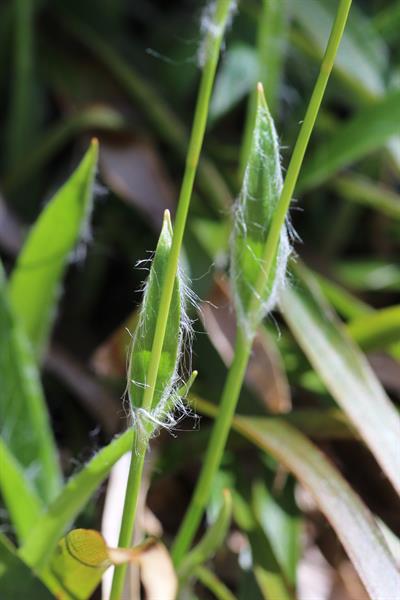
© Shaun Pogacnik, some rights reserved (CC BY-NC), uploaded by Shaun Pogacnik source CC-BY-NC, permission granted to NCBG | Original Image ⭷
© Michael John Oldham, some rights reserved (CC BY-NC), uploaded by Michael John Oldham source CC-BY-NC, permission granted to NCBG | Original Image ⭷
© Shaun Pogacnik, some rights reserved (CC BY-NC), uploaded by Shaun Pogacnik source CC-BY-NC, permission granted to NCBG | Original Image ⭷
© Charlie Hohn, some rights reserved (CC BY), uploaded by Charlie Hohn source CC-BY | Original Image ⭷
© Scott Ward, some rights reserved (CC BY), uploaded by Scott Ward source CC-BY | Original Image ⭷
© Michael John Oldham, some rights reserved (CC BY-NC), uploaded by Michael John Oldham source CC-BY-NC, permission granted to NCBG | Original Image ⭷
© Scott Ward | Original Image ⭷
© Scott Ward, some rights reserved (CC BY), uploaded by Scott Ward source CC-BY | Original Image ⭷
© Quinten Wiegersma, some rights reserved (CC BY), uploaded by Quinten Wiegersma source CC-BY | Original Image ⭷Feedback
Horticultural Information
Intro:
Stems:
Leaves:
Inforescence:
Flowers:
Fruits:
Comments:
Height: up to 1 ft.
plant sale text: Hairy Woodrush is a grass-like southeastern native perennial that adapts well to the conditions of the average shade garden. It makes an unusual clumping groundcover with wonderful tiny blooms in early spring. The genus name Luzula was derived from the Latin word "luciola," meaning glow-worm, because of the history of this species in making lamp-wicks. This species is found growing in woods and on bluffs, primarily in the mountain and piedmont. Hairy Woodrush is tolerant of dry shade but requires well drained soil. It is not often offered for sale.
bloom table text: Hairy Woodrush is a grass-like southeastern native perennial that adapts well to the conditions of the average shade garden. It makes an unusual clumping groundcover with wonderful tiny blooms in early spring. The genus name Luzula was derived from the Latin word "luciola," meaning glow-worm, because of the history of this species in making lamp-wicks. This species is found growing in woods and on bluffs, primarily in the mountain and piedmont. Hairy Woodrush is tolerant of dry shade but requires well drained soil.
description:
stems:
leaves:
inflorescence:
flowers:
fruits:
comments:
cultural notes:
germination code:
native range: eastern North America
0 unsaved edits on this page.