 Ponthieva racemosa (Walter) C. Mohr. Shadow Witch. Phen: Sep-Mar; Oct-Apr. Hab: Bottomlands, floodplains, moist ravines, nearly always over calcareous rock ('marl' or coquina limestone). Dist: Se. VA south to s. FL and west to se. TX; disjunct in the Eastern Highland Rim, TN; West Indies; Mexico and Central America to South America.
ID notes:The basal rosette of leaves, white (suffused with green) flowers in fall to winter, and habitat are distinctive.
Origin/Endemic status: Native
Synonymy: = C, ETx1, F, FNA26, G, GW1, K1, K3, K4, RAB, S, S13, Tx, Va, WH3, WI, Brown (2002), Correll (1950); = Ponthieva glandulosa (Sims) R.Br.; = Ponthieva racemosa (Walter) C.Mohr var. racemosa – Luer (1975)
Wetland Indicator Status:
- Atlantic and Gulf Coastal Plain: FACW
- Eastern Mountains and Piedmont: OBL
Heliophily: 3
Hover over a shape, letter, icon, or arrow on the map for definition or see the legend.
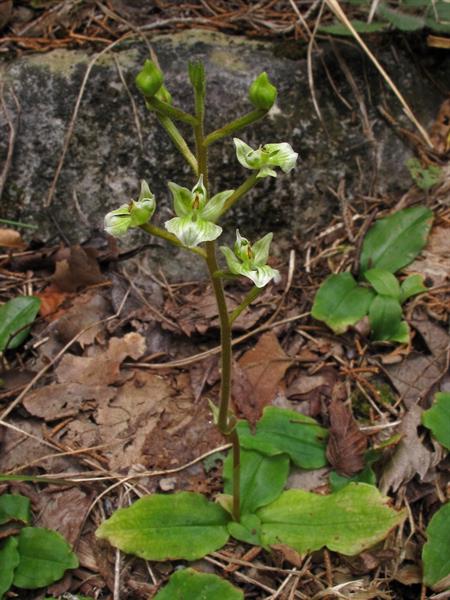 © Alan Cressler: Ponthieva racemosa, Walker County, Georgia 1 by Alan Cressler source
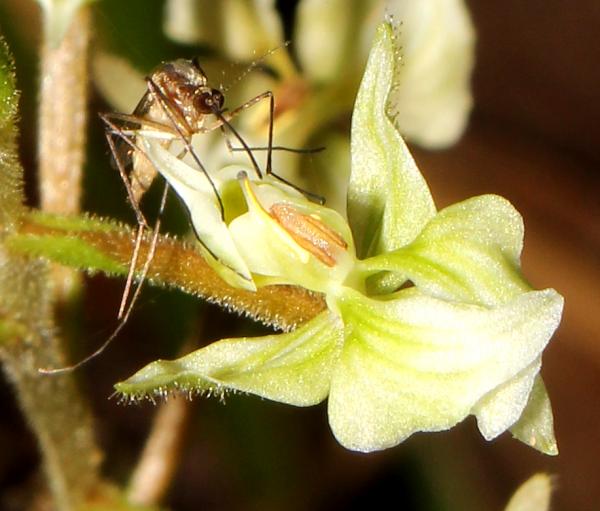 © Scott Ward | Original Image ⭷
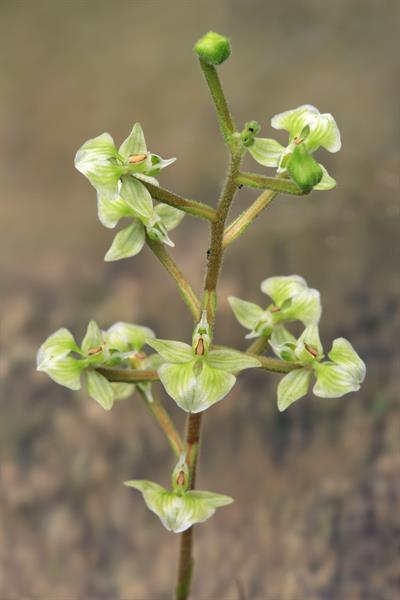 © Alan M. Cressler | Original Image ⭷
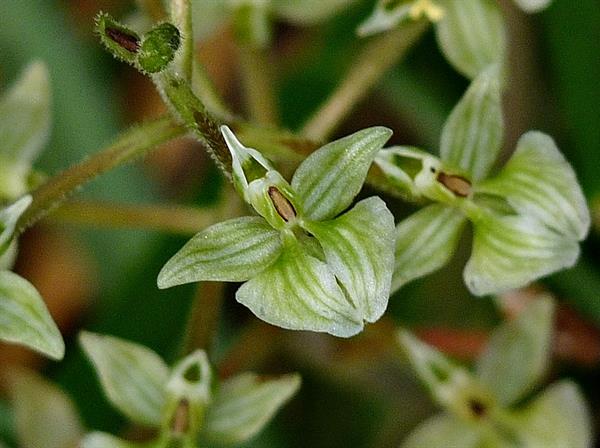 © Richard & Teresa Ware CC-BY-NC, permission granted to NCBG | Original Image ⭷
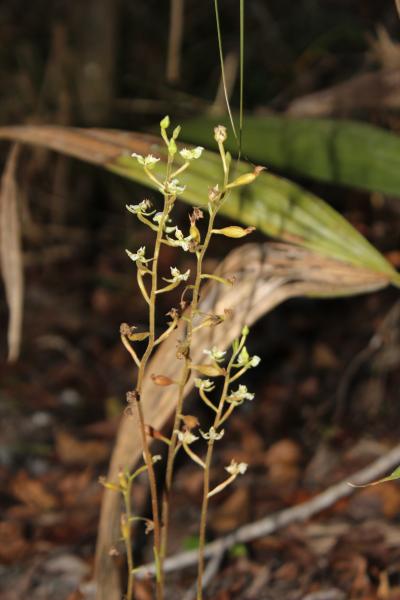 © Scott Ward | Original Image ⭷
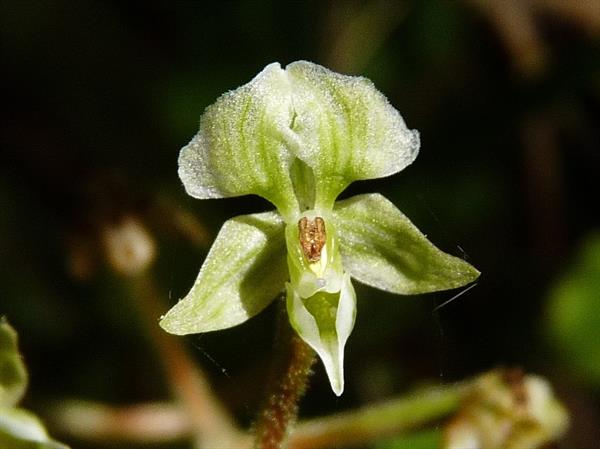 © Richard & Teresa Ware CC-BY-NC, permission granted to NCBG | Original Image ⭷
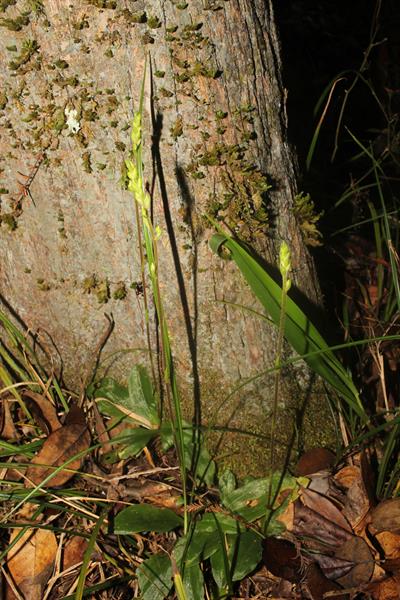 © Scott Ward
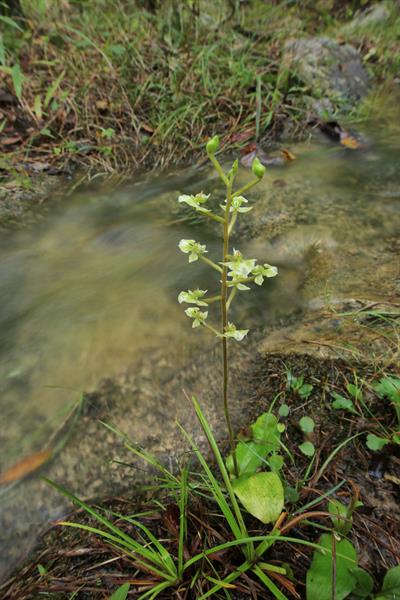 © Alan M. Cressler | Original Image ⭷
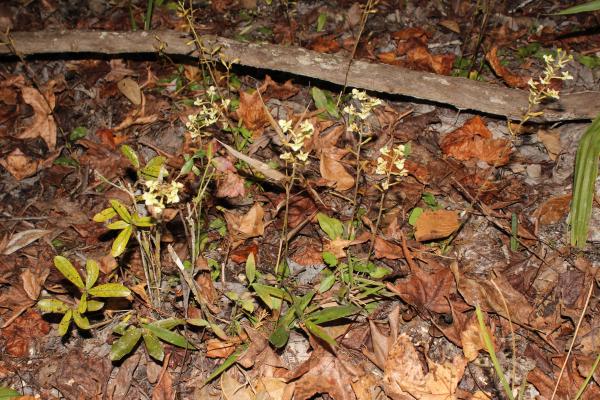 © Scott Ward | Original Image ⭷
Feedback
See something wrong or missing on about Ponthieva racemosa? Let us know here: (Please include your name and email if at all complicated so we can clarify if needed.)
Cite as...