 Carex vulpinoidea Michaux. Section: [26c] Section 3 Multiflorae. Fox Sedge. Phen: Jul-Aug. Hab: Low fields, ditches, fens, seeps, tidal freshwater marshes, other wet (and especially disturbed) sites. Dist: NL (Labrador) west to BC, south to FL, TX, SON, and CA, and Mexico (MIC, OAX, SON).
Origin/Endemic status: Native
Synonymy: = Ar, ETx1, F, FNA23, G, GrPl, K3, K4, Mex, Mi, Mo1, NcTx, NE, NY, Pa, RAB, S, Tat, Tn, Va, W, Mackenzie (1931-1935); > Carex setacea Dewey – Il; < Carex vulpinoidea Michx. – GW1, Tx, WH3; > Carex vulpinoidea Michx. – Il; < Carex vulpinoidea Michx. var. vulpinoidea – C, K1
Wetland Indicator Status:
- Atlantic and Gulf Coastal Plain: FACW
- Eastern Mountains and Piedmont: OBL
- Great Plains: FACW
- Midwest: FACW
- Northcentral & Northeast: OBL
Heliophily: 7
Hover over a shape, letter, icon, or arrow on the map for definition or see the legend.
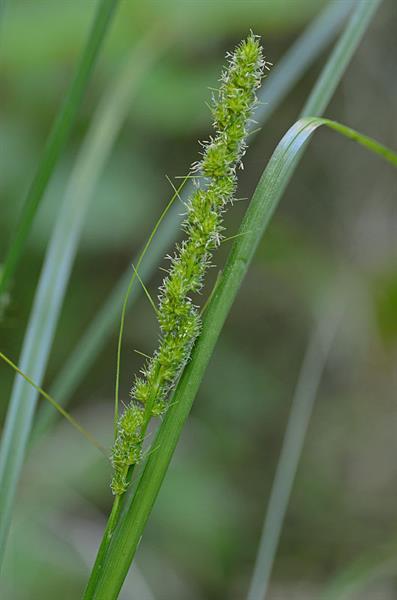 © Gary P. Fleming | Original Image ⭷
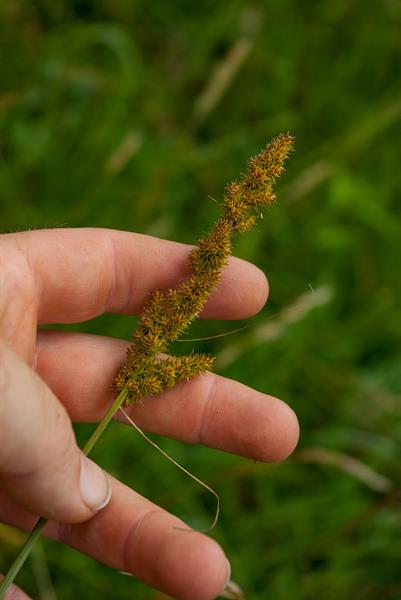 © Erik Danielson source | Original Image ⭷
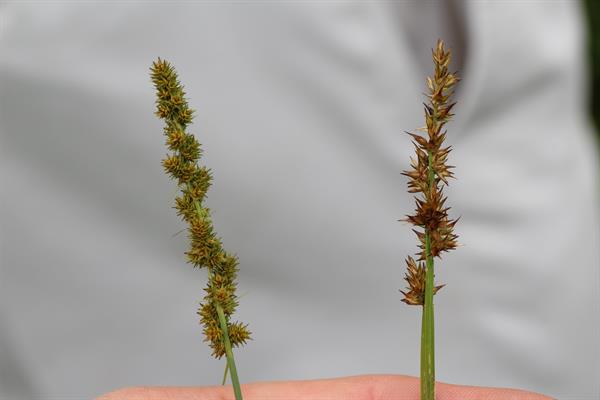 © Scott Ward; Carex vulpinoidea (left), Carex stipata var. stipata (right) | Original Image ⭷
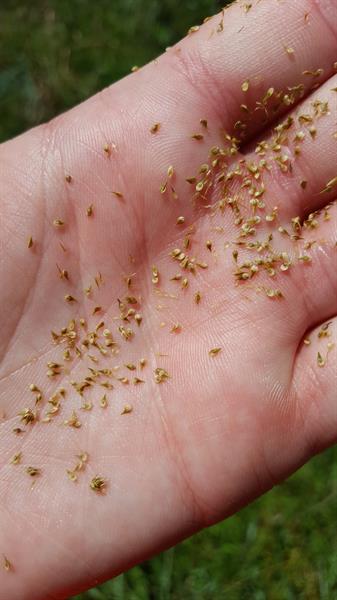 © Collectors SOS | Original Image ⭷
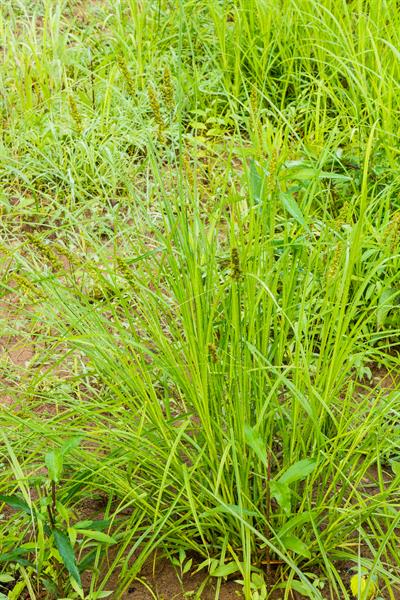 © Keith Bradley | Original Image ⭷
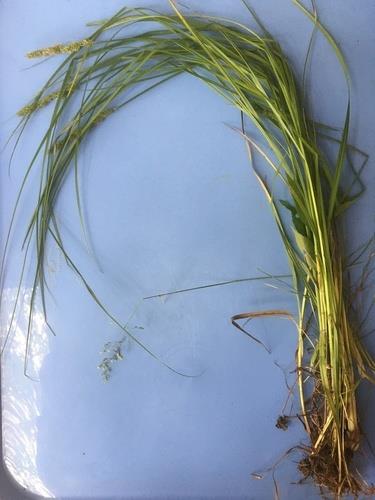 © Joey Shaw source | Original Image ⭷
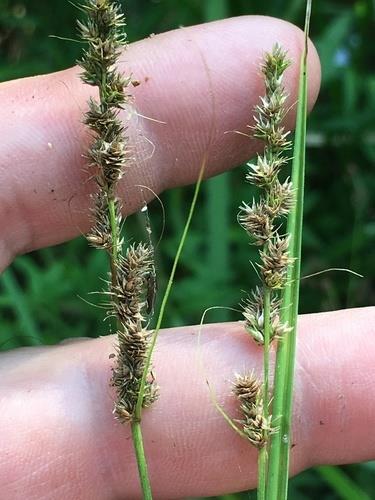 © Joey Shaw source | Original Image ⭷
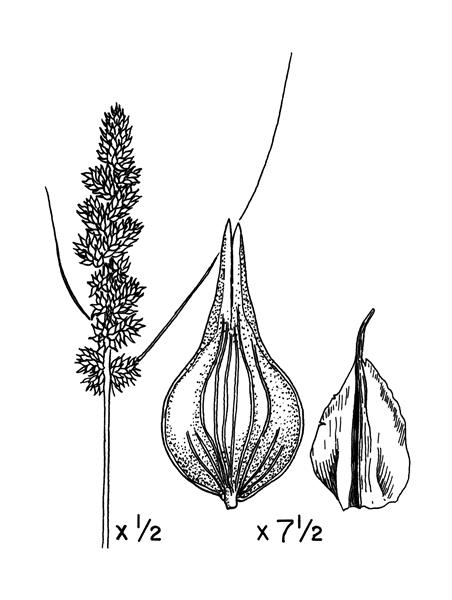 © Radford, Ahles and Bell | Original Image ⭷
Feedback
See something wrong or missing on about Carex vulpinoidea? Let us know here: (Please include your name and email if at all complicated so we can clarify if needed.)
Cite as...