 Rhynchospora globularis (Chapman) Small. Globe Beaksedge. Phen: Jun-Sep. Hab: Sandy or peaty depressions, wet ditches, powerline corridors, pine savannas, inland in acidic seeps and flatwoods. Dist: DE south to s. FL and west to c. TX and OK; north in the interior to nc. TN; disjunct around the Great Lakes.
ID notes:Rhynchospora recognita and R. pinetorum have been split off from R. globularis. Rhynchospora recognita differs in having longer seeds (1.4-1.8 mm vs. 1.3-1.5 mm) and wider leaves (up to 5 mm wide vs. up to 3 mm wide in R. globularis). R. pinetorum differs in having the seed bristles at least 2/3 the length of the seed body, versus usually less than 1/2 the length of the seed body in R. globularis. Both R. globularis and R. pinetorum tend to be shorter plants with smaller glomerules than R. recognita. Occasional achenes of R. globularis exhibit the wide alveoli of R. pinetorum near the base or summit, with little or no horizontal ridging, but centrally have narrow alveoli with pronounced horizontal ridges. The opposite condition occasionally occurs in R. pinetorum achenes, with narrow alveoli and horizontal ridging basally or at the summit, but wide alveoli and little or no ridging centrally.
Origin/Endemic status: Native
Synonymy: = C, F, FNA23, G, Il, K3, K4, Tn, Tx, Va, Gale (1944), McMillan (2007); = n/a – Tat; < Rhynchospora globularis (Chapm.) Small – RAB, W, WH3; < Rhynchospora globularis (Chapm.) Small var. globularis – Ar, ETx1, GW1, K1, NcTx; < Rynchospora cymosa Elliott var. globularis Chapm. – S13; < Rynchospora globularis – S, orthographic variant
Wetland Indicator Status:
- Atlantic and Gulf Coastal Plain: FACW (taxonomic split from wetland indicator species)
- Eastern Mountains and Piedmont: FACW (taxonomic split from wetland indicator species)
- Great Plains: FACW (taxonomic split from wetland indicator species)
- Midwest: FACW (taxonomic split from wetland indicator species)
- Northcentral & Northeast: FACW (taxonomic split from wetland indicator species)
Heliophily: 8
Hover over a shape, letter, icon, or arrow on the map for definition or see the legend.
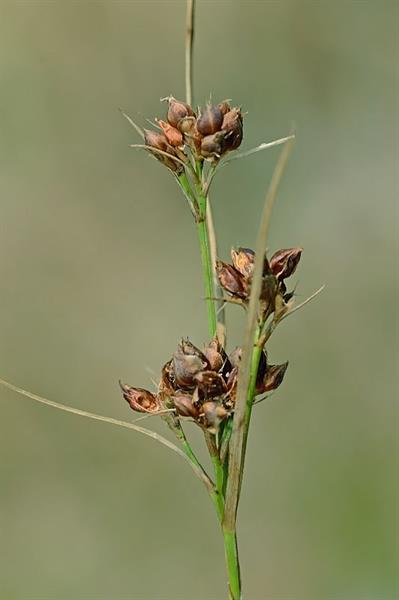 © Gary P. Fleming | Original Image ⭷
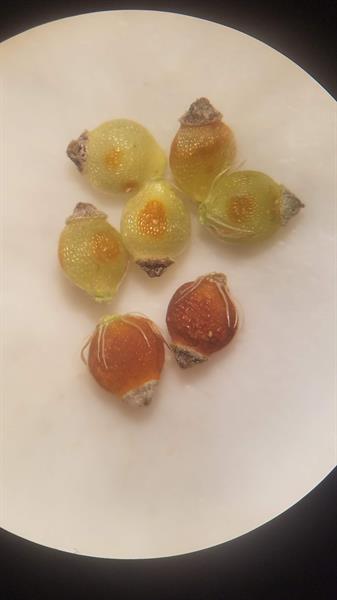 © Scott Ward | Original Image ⭷
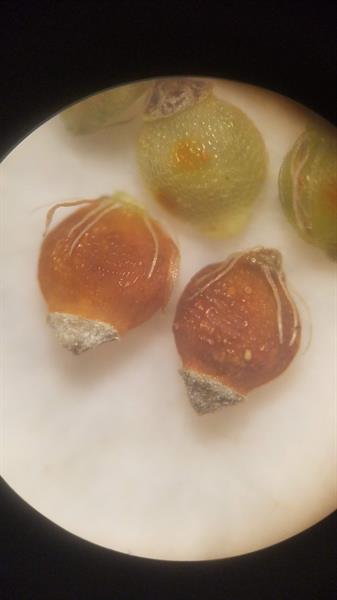 © Scott Ward | Original Image ⭷
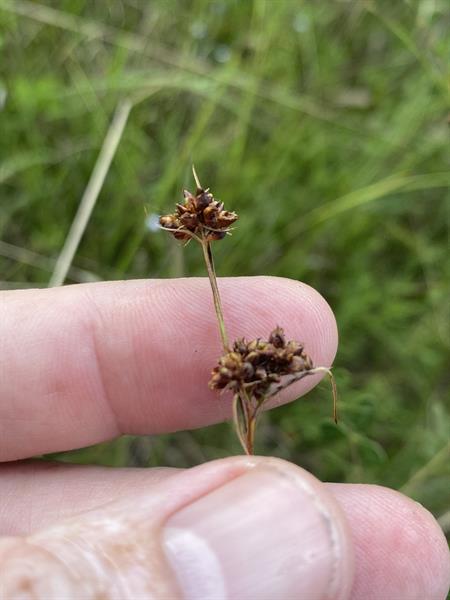 © Alan Weakley source | Original Image ⭷
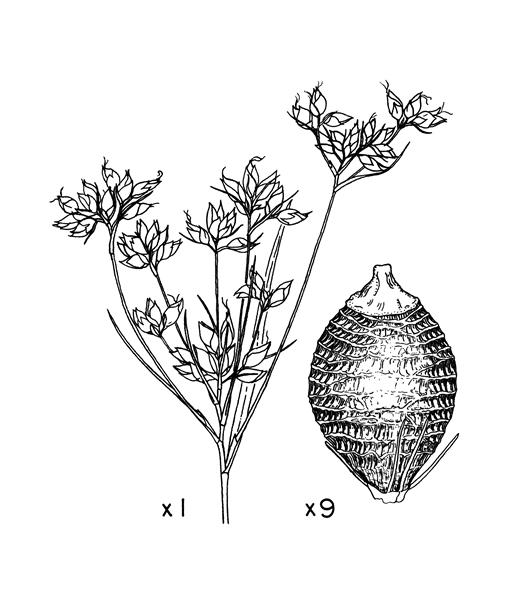 © Radford, Ahles and Bell | Original Image ⭷
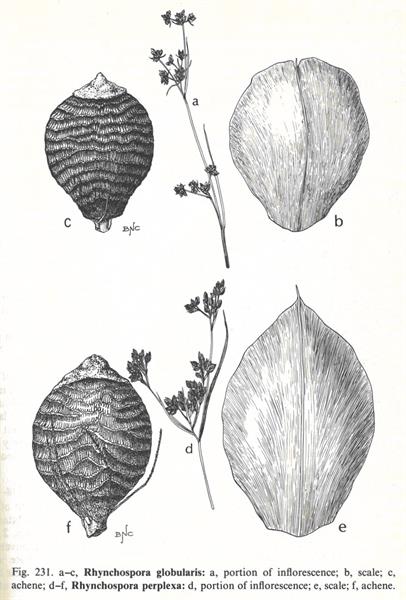 © Godfrey and Wooten 1979 | Original Image ⭷
Feedback
See something wrong or missing on about Rhynchospora globularis? Let us know here: (Please include your name and email if at all complicated so we can clarify if needed.)
Cite as...