 Ranunculus abortivus Linnaeus. Subgenus: Auricomus. Section: Auricomus. Kidneyleaf Buttercup, Early Wood Buttercup. Phen: (Feb-) Mar-Jun. Hab: Bottomland and other moist forests, low fields, disturbed areas, lawns, roadsides. Dist: NL (Labrador) to AK, south to FL, TX, and CO.
ID notes:A common plant, sometimes pretty weedy, in shady and sunny places, recognizable from its cordate, basal leaves that are broader than long, and with distinctive broad teeth that are flattish.
Origin/Endemic status: Native
Synonymy: = Ar, Fl2, FNA3, GrPl, GW2, K1, K3, K4, Mi, NcTx, NE, NY, Pa, RAB, S, S13, Tat, Tx, Va, W, WH3, WV, Keener (1976); > Ranunculus abortivus L. var. abortivus – C, F, G, Il; > Ranunculus abortivus L. var. acrolasius Fernald – F, Il; > Ranunculus abortivus L. var. eucyclus Fernald – F; > Ranunculus abortivus L. var. indivisus Fernald – F
Wetland Indicator Status:
- Atlantic and Gulf Coastal Plain: FACW
- Eastern Mountains and Piedmont: FACW
- Great Plains: FAC
- Midwest: FACW
- Northcentral & Northeast: FAC
Heliophily: 5
Hover over a shape, letter, icon, or arrow on the map for definition or see the legend.
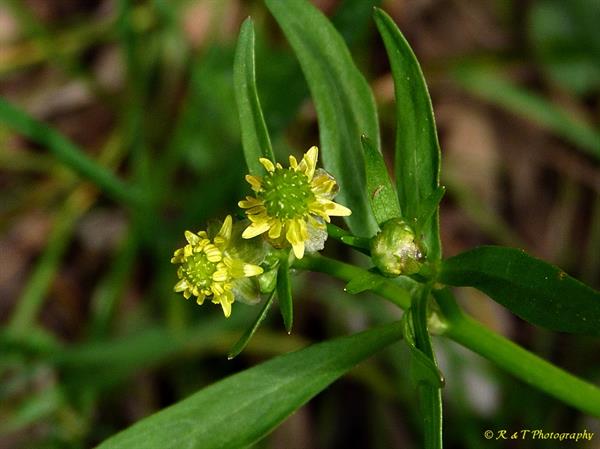 © Richard & Teresa Ware CC-BY-NC, permission granted to NCBG | Original Image ⭷
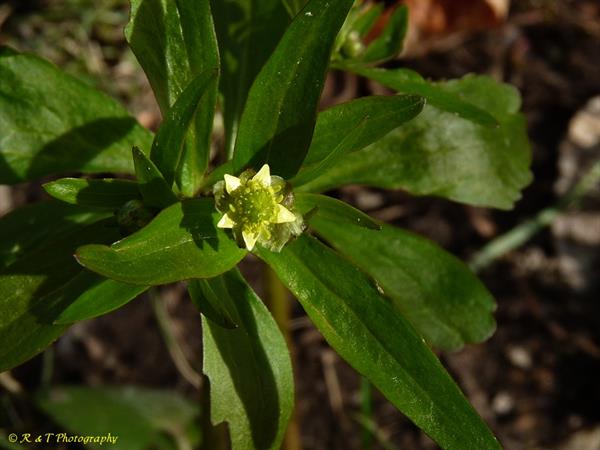 © Richard & Teresa Ware CC-BY-NC, permission granted to NCBG | Original Image ⭷
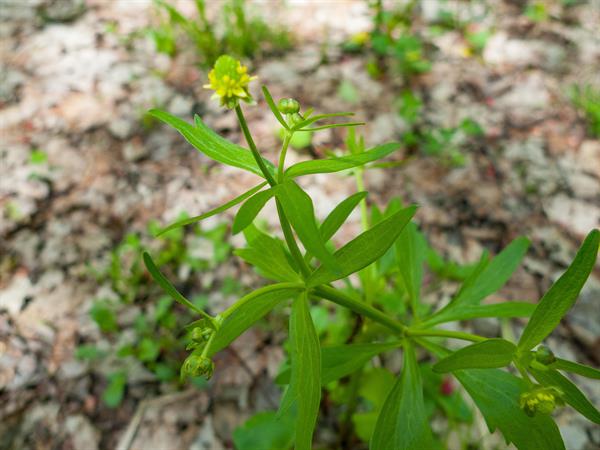 © Erik Danielson source | Original Image ⭷
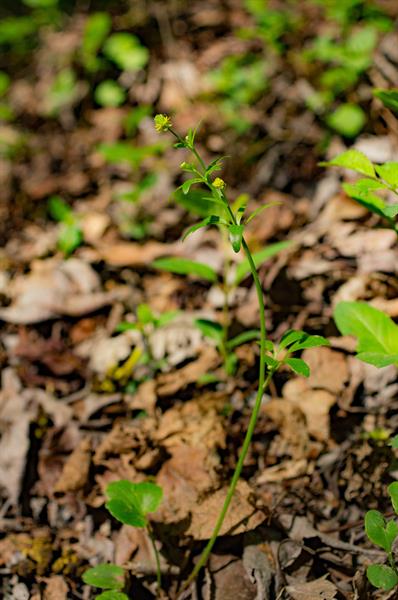 © Erik Danielson source | Original Image ⭷
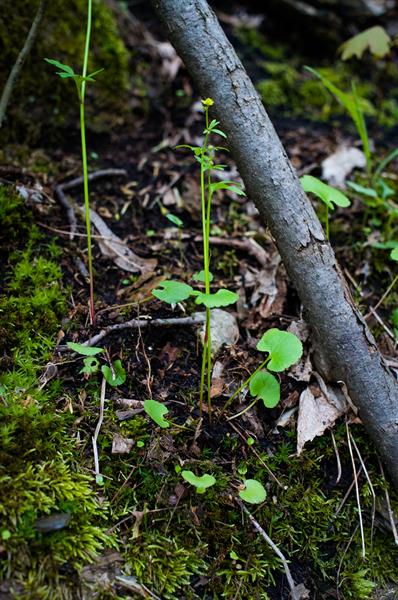 © Erik Danielson source | Original Image ⭷
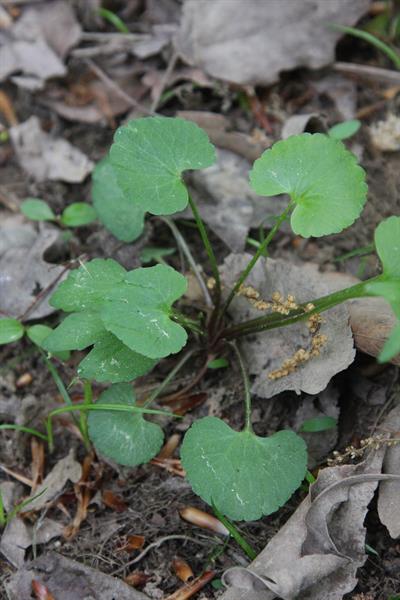 © Bruce A. Sorrie | Original Image ⭷
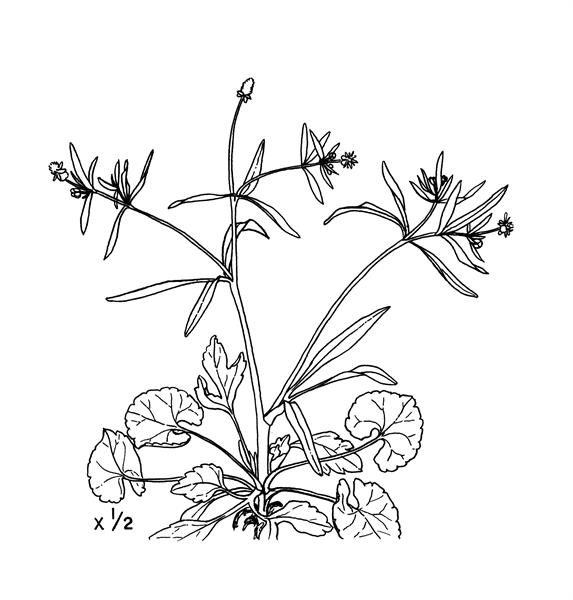 © Radford, Ahles and Bell | Original Image ⭷
Feedback
See something wrong or missing on about Ranunculus abortivus? Let us know here: (Please include your name and email if at all complicated so we can clarify if needed.)
Cite as...