 Geum radiatum Michaux. Spreading Avens, Cliff Avens. Phen: Jun-Aug; Jul-Sep. Hab: High elevation rocky summits, in thin soil at tops of cliffs and on ledges (where not trampled), in pockets of soil on nearly vertical portions of cliffs, in open grassy balds, around Rhododendron catawbiense in grassy balds, or in grassy areas at bases of cliffs (where succession by shrubs is prevented by accumulation of seepage ice and by stone fall). Dist: Ranging from Ashe County, NC (Phoenix Mountain) south and west to Sevier County, TN (Mount Leconte) and Transylvania County, NC (the Devil's Courthouse), restricted to "pseudo-alpine" rock outcrops and grassy meadows near the summits of the higher peaks of the Southern Blue Ridge, notably Bluff Mountain, Three Top Mountain, Phoenix Mountain, and The Peak (Ashe County, NC), Grandfather Mountain (Watauga and Avery counties, NC), Grassy Ridge (Avery County, NC), Roan High Bluff (Mitchell County, NC), Mount Craig in the Black Mountains (Yancey County, NC), Craggy Pinnacle, Craggy Dome, and Craggy Gardens (Buncombe County), the Devil's Courthouse (Transylvania County, NC), and Mount Leconte (Sevier County, TN)
Origin/Endemic status: Endemic
Taxonomy Comments: G. radiatum is closely related to three other taxa, these siblings also restricted in range and endemic to mountainous areas, collectively showing a relictual distribution: G. peckii Pursh (of alpine meadows and moist, rocky slopes of NS and the higher peaks of NH and ME), G. calthifolium Menzies ex Smith var. calthifolium (of wet snow-melt meadows of w. BC, w. YT, s. AK, and the Aleutians), and G. calthifolium var. nipponicum (of wet snow-melt meadows of s. Kamchatka and Japan). It is illegal to collect G. radiatum without federal and state permits, and there is no justification (scientific or otherwise) for additional collections from known sites. This is one of the few plant species that has been seriously depleted by collection by scientists (several hundred herbarium sheets from Roan Mountain alone!), though recreational over-use of its habitats, and possibly also pollution and break-up of adjoining spruce-fir forests, are the more critical threats to its continued existence.
Synonymy: = FNA9, K1, K3, K4, RAB, Tn, W, Hough, Gilman, & Chapman-Lam (2022), Robertson (1974); = Acomastylis radiata (Michx.) Bolle – Bolle (1933); = Parageum radiatum (Michx.) H.Hara – Král (1966); = Sieversia radiata (Michx.) Greene – S, S13
Heliophily: 8
Hover over a shape, letter, icon, or arrow on the map for definition or see the legend.
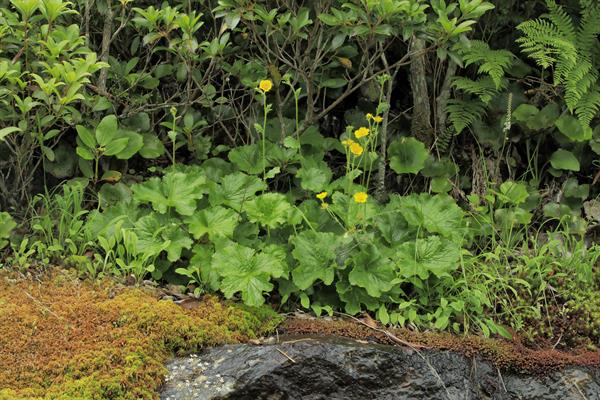 © Alan Cressler: Geum radiatum, Craggy Dome, Blue Ridge Parkway, Buncombe County, North Carolina 2 by Alan Cressler source | Original Image ⭷
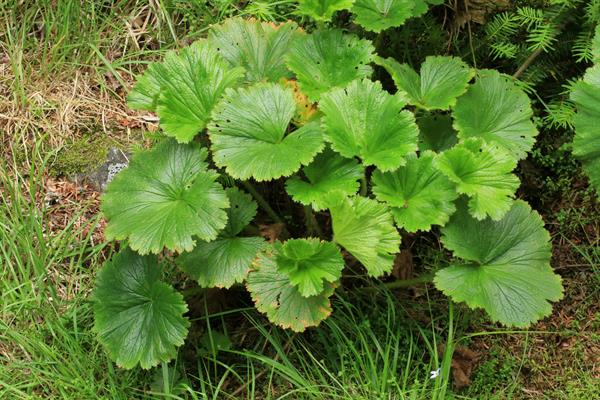 © Alan M. Cressler | Original Image ⭷
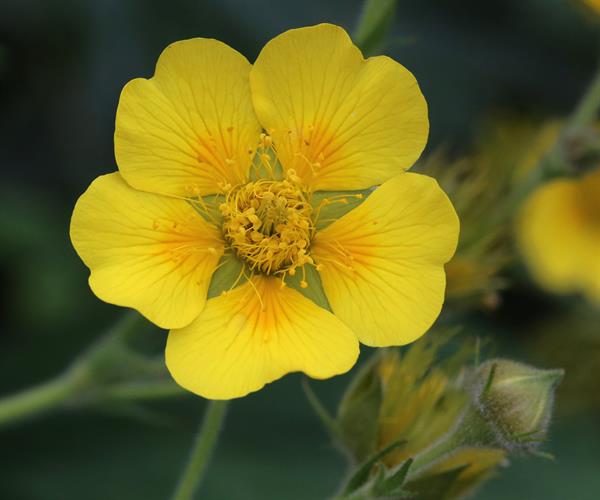 © Will Stuart | Original Image ⭷
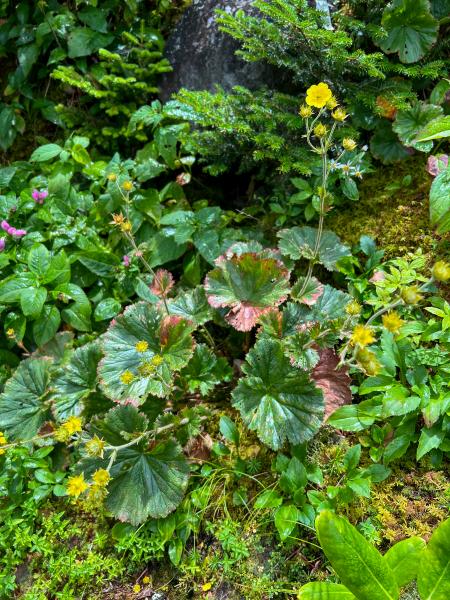 © Chris Ulrey | Original Image ⭷
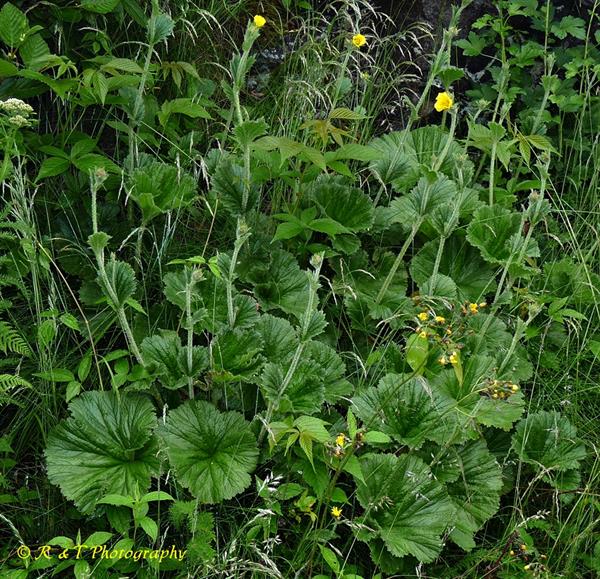 © Richard & Teresa Ware CC-BY-NC, permission granted to NCBG | Original Image ⭷
 © Edwin Bridges | Original Image ⭷
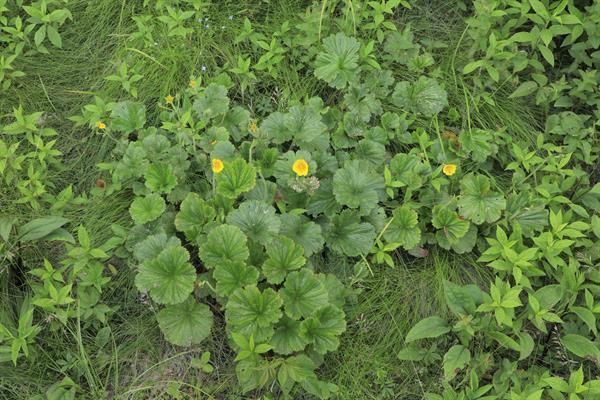 © Alan Cressler: Geum radiatum, Roan Mountain, Pisgah National Forest, Mitchell County, North Carolina 3 by Alan Cressler source | Original Image ⭷
Feedback
See something wrong or missing on about Geum radiatum? Let us know here: (Please include your name and email if at all complicated so we can clarify if needed.)
Cite as...