 Quercus lyrata Walter. Subgenus: Quercus. Section: Quercus. Subsection: Prinoideae. Overcup Oak. Phen: Mar-May; Sep-Oct (of the same year). Hab: Seasonally rather deeply and frequently flooded soils of floodplains of the Coastal Plain, less commonly in seasonally flooded swamps in Triassic basins in the lower Piedmont, and rarely in upland depression swamps of the Piedmont (developed over clays weathered from mafic rocks) and Coastal Plain. Of our oaks, Q. lyrata tolerates the wettest habitats, both in terms of depth and duration of flooding. Dist: Primarily a species of the Southeastern Coastal Plain: DE south to Panhandle FL, west to e. TX and se. OK, north in the inland to w. TN, s. IN, s. IL, and se. MO.
Origin/Endemic status: Native
Synonymy: = Ar, C, F, Fl2, FNA3, G, GW2, Il, K1, K3, K4, NcTx, RAB, S, S13, Tat, Tn, Tx, Va, WH3
Wetland Indicator Status:
- Atlantic and Gulf Coastal Plain: OBL
- Eastern Mountains and Piedmont: OBL
- Great Plains: OBL
- Midwest: OBL
Heliophily: 5
Hover over a shape, letter, icon, or arrow on the map for definition or see the legend.
 © Gary P. Fleming | Original Image ⭷
 © Richard & Teresa Ware CC-BY-NC, permission granted to NCBG | Original Image ⭷
 © Scott Ward, some rights reserved (CC BY), uploaded by Scott Ward source CC-BY | Original Image ⭷
 © Richard & Teresa Ware CC-BY-NC, permission granted to NCBG | Original Image ⭷
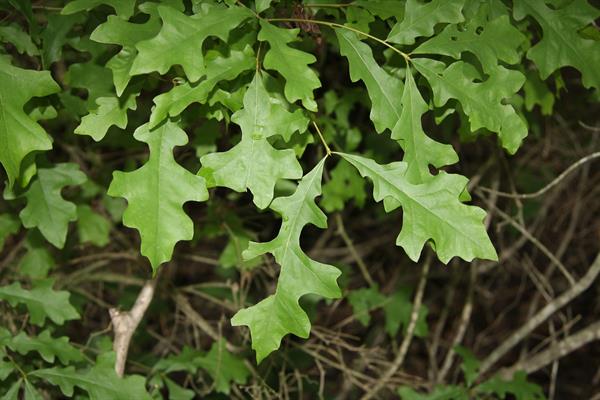 © Bruce A. Sorrie | Original Image ⭷
 © Gary P. Fleming | Original Image ⭷
 © Gary P. Fleming | Original Image ⭷
 © Bruce Sorrie | Original Image ⭷
 © Scott Ward, some rights reserved (CC BY), uploaded by Scott Ward source CC-BY | Original Image ⭷
 © Richard & Teresa Ware CC-BY-NC, permission granted to NCBG | Original Image ⭷
 © J.W. Hardin | Original Image ⭷
 © Scott Ward, some rights reserved (CC BY), uploaded by Scott Ward source CC-BY | Original Image ⭷
 © Scott Ward, some rights reserved (CC BY), uploaded by Scott Ward source CC-BY | Original Image ⭷
Feedback
See something wrong or missing on about Quercus lyrata? Let us know here: (Please include your name and email if at all complicated so we can clarify if needed.)
Cite as...