 Euphorbia ipecacuanhae Linnaeus. Carolina Ipecac. Phen: Feb-May (and later, especially in response to fire). Hab: Longleaf pine sandhills, other dry, barren sands. Dist: CT (formerly), NY (Long Island), NJ, and se. PA (Rhoads & Block 2007) south to ec. GA, on the Coastal Plain.
ID notes:The leaves are extremely variable in size and shape, from linear to rotund.
Origin/Endemic status: Native
Taxonomy Comments: Huft (1979) considered E. arundelana Bartlett (reported from MD, SC, and GA) a sporadic form of E. ipecacuanhae.
Synonymy: = C, FNA12, G, K1, K3, NE, NY, Pa, RAB, Tat, Va, Govaerts, Frodin, & Radcliffe-Smith (2000), Huft (1979); = Tithymalopsis ipecacuanhae (L.) Small – S, S13; > Euphorbia arundelana Bartlett – F; > Euphorbia ipecacuanhae L. – F
Heliophily: 8
Hover over a shape, letter, icon, or arrow on the map for definition or see the legend.
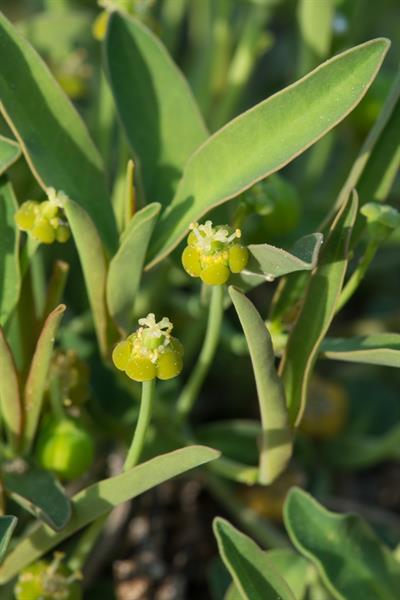 © Keith Bradley | Original Image ⭷
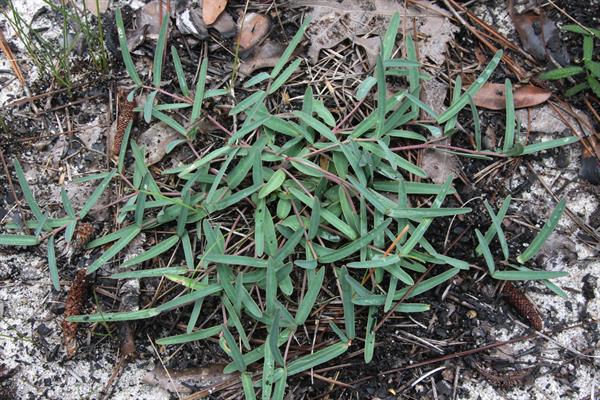 © Bruce A. Sorrie | Original Image ⭷
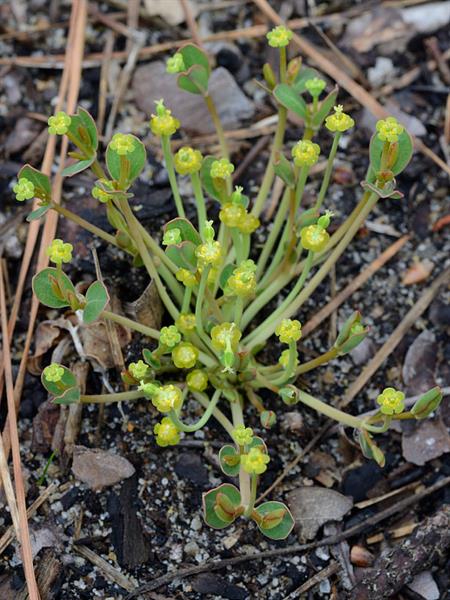 © Gary P. Fleming | Original Image ⭷
 © Scott Ward, some rights reserved (CC BY), uploaded by Scott Ward source CC-BY | Original Image ⭷
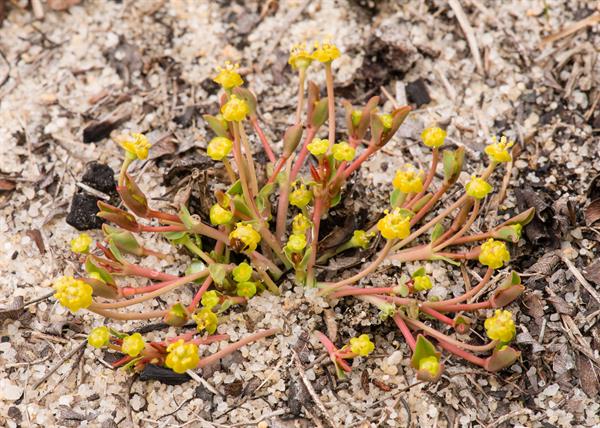 © Keith Bradley | Original Image ⭷
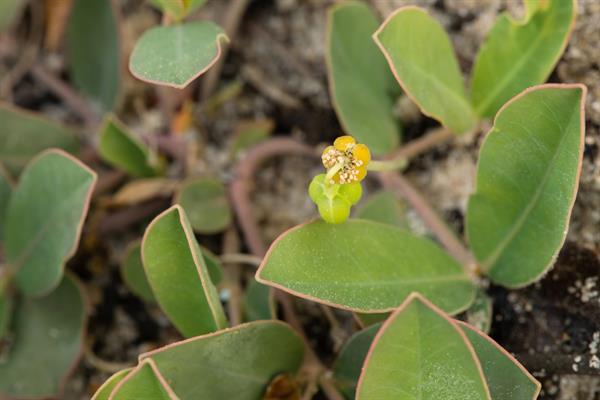 © Keith Bradley | Original Image ⭷
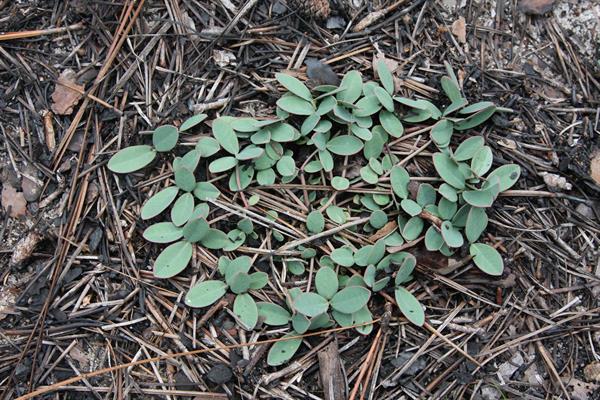 © Bruce A. Sorrie | Original Image ⭷
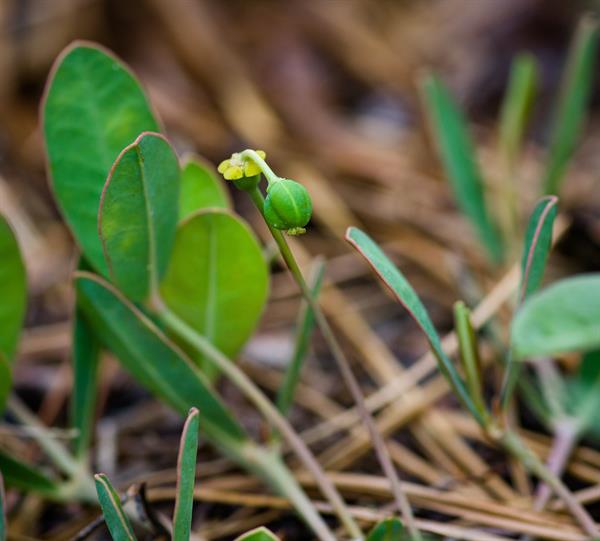 © Erik Danielson source | Original Image ⭷
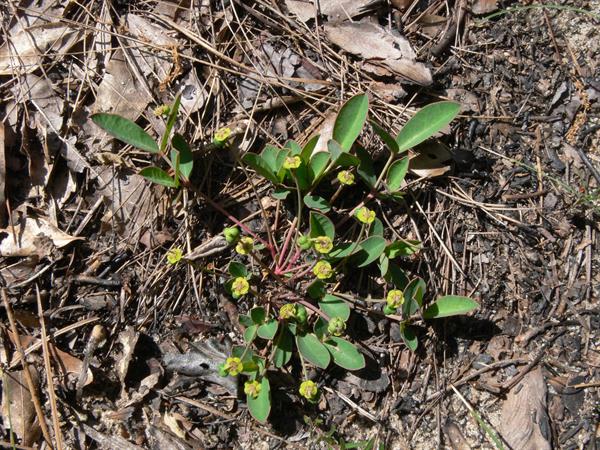 © Bruce A. Sorrie | Original Image ⭷
 © Keith Bradley | Original Image ⭷
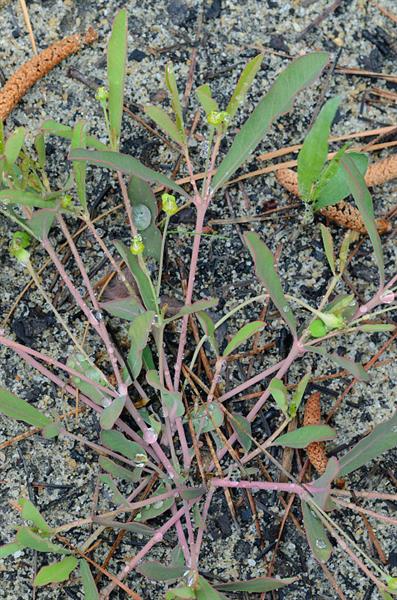 © Gary P. Fleming | Original Image ⭷
Feedback
See something wrong or missing on about Euphorbia ipecacuanhae? Let us know here: (Please include your name and email if at all complicated so we can clarify if needed.)
Cite as...