 Viola rostrata Pursh. Section: Viola. Subsection: Rostratae. Long-spurred Violet. Phen: Chasmogamous flower Apr-Jun (Jul) chasmogamous fruit Apr-Jun; cleistogamous fruit Jul-Aug. Hab: Acidic cove forests, other mesic forests, often under Tsuga canadensis, but also in calcareous forests (as in n. AL). Dist: NH and QC west to WI, south to GA and AL.
ID notes:In chasmogamous flower this caulescent species is unmistakable in its very elongate spur, glabrous petals, and pale violet corolla with dense coalescing nectar-guide lines forming a conspicuously contrasting dark eyespot around the throat. In cleistogamous fruit it is most often confused with species commonly growing with it: V. canadensis, V. eriocarpa, V. labradorica, and V. striata. It differs from V. canadensis in its wholly herbaceous weakly lacerate stipules, and leaf blades with remotely serrate-crenate margins; from V. eriocarpa in its glabrous foliage or leaf blades with sparse small hairs, and wholly herbaceous weakly lacerate stipules; and from V. labradorica and V. striata in its proportionally longer leaf blades with a more prolonged abruptly acute to acuminate apex and remote serrate-crenate margins, and proportionally longer stipules.
Origin/Endemic status: Native
Synonymy: = F, FNA6, G, K1, K3, K4, NE, Pa, RAB, S, S13, Tn, Va, W, WV, Ballard () (in prep), Ballard, Kartesz, & Nishino (2023), Haines (2001), McKinney & Russell (2002)
Wetland Indicator Status:
- Eastern Mountains and Piedmont: FACU
- Midwest: FACU
- Northcentral & Northeast: FACU
Heliophily: 3
Hover over a shape, letter, icon, or arrow on the map for definition or see the legend.
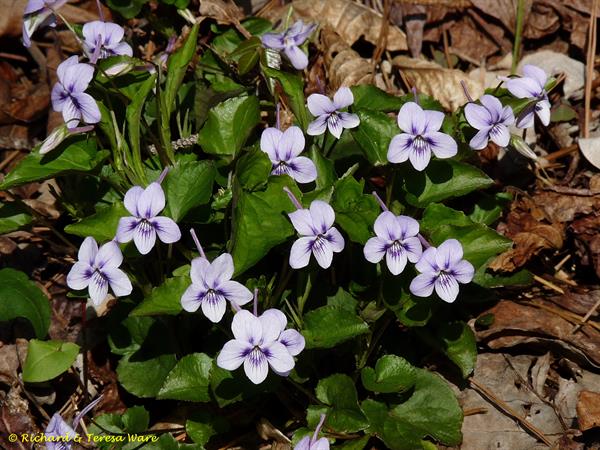 © Richard & Teresa Ware CC-BY-NC, permission granted to NCBG | Original Image ⭷
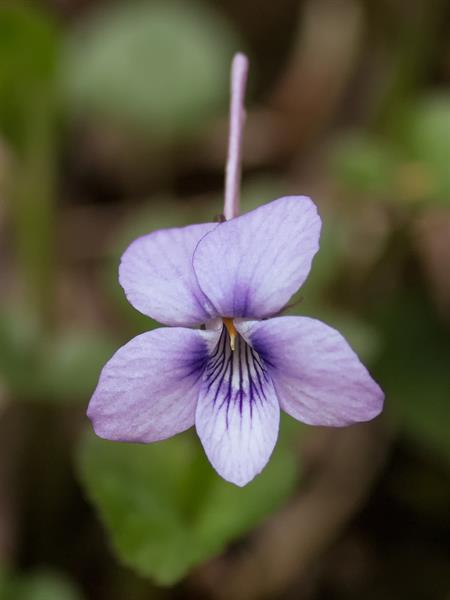 © Jim Fowler | Original Image ⭷
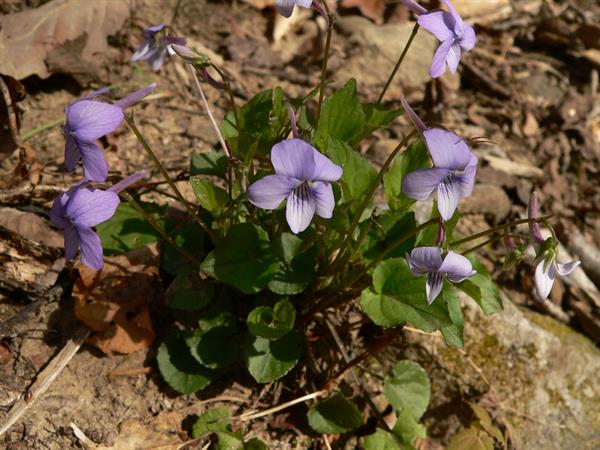 © Richard & Teresa Ware CC-BY-NC, permission granted to NCBG | Original Image ⭷
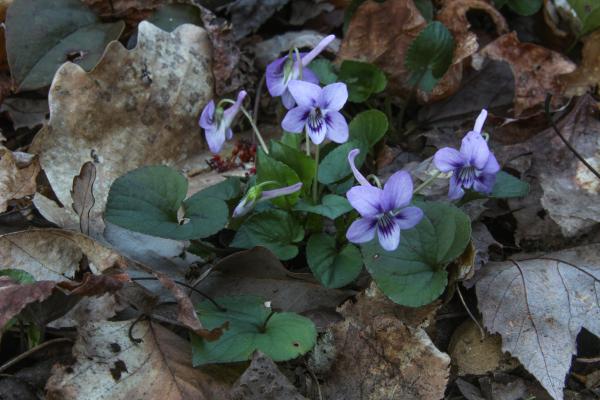 © Armin Weise CC-BY | Original Image ⭷
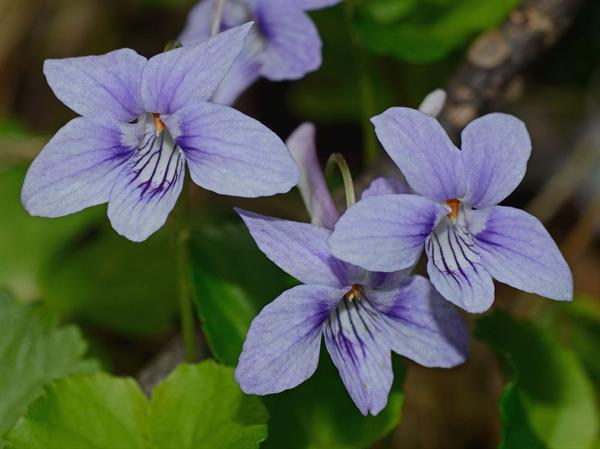 © Gary P. Fleming | Original Image ⭷
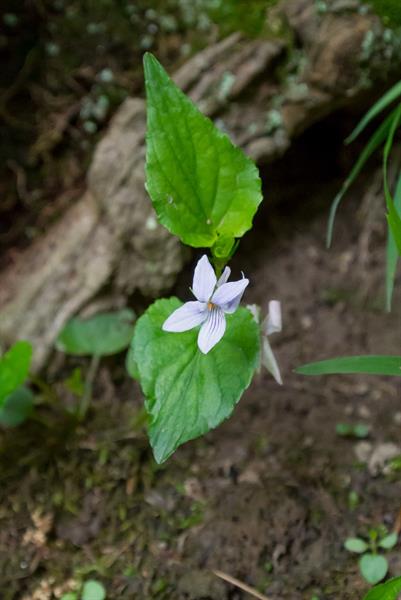 © Erik Danielson source | Original Image ⭷
Feedback
See something wrong or missing on about Viola rostrata? Let us know here: (Please include your name and email if at all complicated so we can clarify if needed.)
Cite as...