 Gaylussacia baccata (Wangenheim) K. Koch. Black Huckleberry, Crackleberry. Phen: Apr-Jun; Jul-Aug. Hab: Xeric, acidic forests and woodlands, rock outcrops, to 1600m elevation. Dist: NL (Newfoundland) and QC west to ON and MB, south to ne. NC, nw. SC, n. GA, AL, and MO; in GA, NC, and SC it is primarily montane in distribution, but in VA it occurs throughout the state.
Origin/Endemic status: Native
Synonymy: = Ar, C, F, FNA8, G, Il, K1, K3, K4, Mi, NE, NY, Pa, RAB, Tat, Tn, Va, W, WV, Camp (1935), Duncan & Brittain (1966), Gajdeczka et al (2010), Luteyn et al (1996), Sleumer (1967a); = Decachaena baccata (Wangenh.) Small – S
Wetland Indicator Status:
- Atlantic and Gulf Coastal Plain: FACU
- Eastern Mountains and Piedmont: FACU
- Midwest: FACU
- Northcentral & Northeast: FACU
Heliophily: 5
Hover over a shape, letter, icon, or arrow on the map for definition or see the legend.
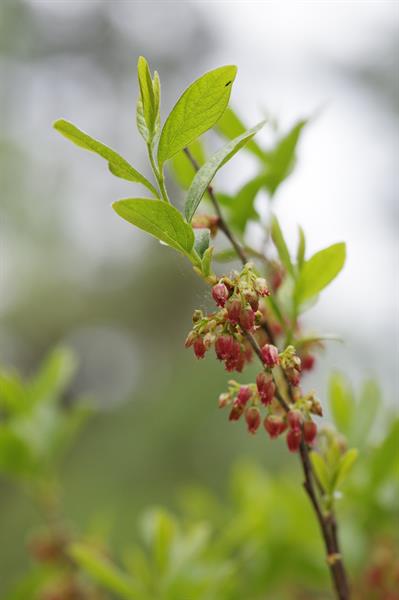 © Erik Danielson source | Original Image ⭷
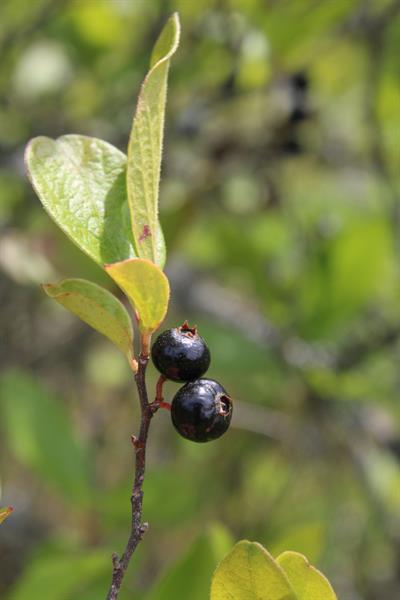 © Scott Ward | Original Image ⭷
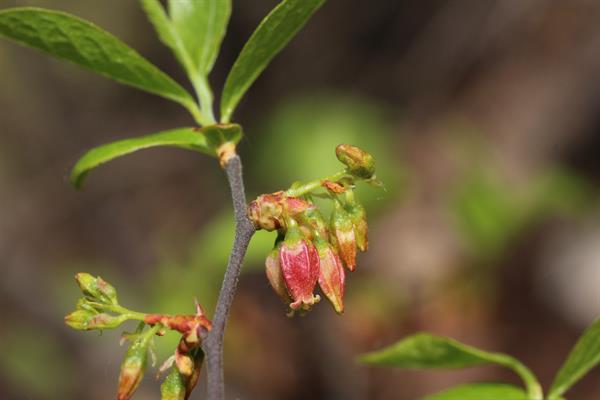 © Scott Ward | Original Image ⭷
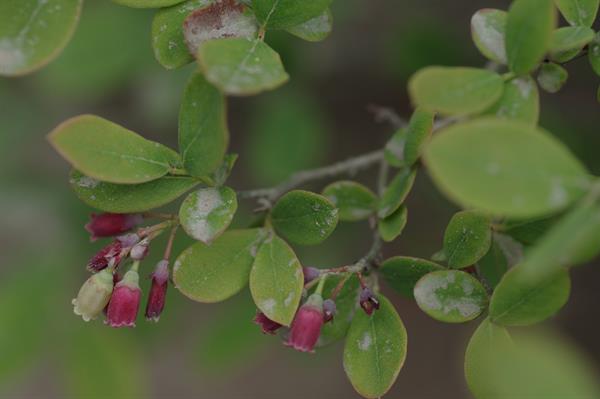 © Erik Danielson source | Original Image ⭷
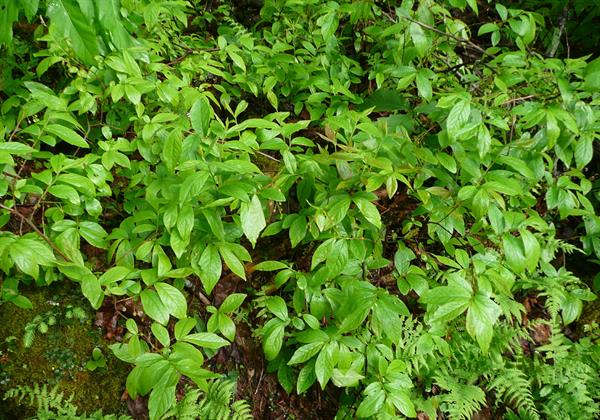 © Edwin Bridges | Original Image ⭷
 © Scott Ward, some rights reserved (CC BY), uploaded by Scott Ward source CC-BY | Original Image ⭷
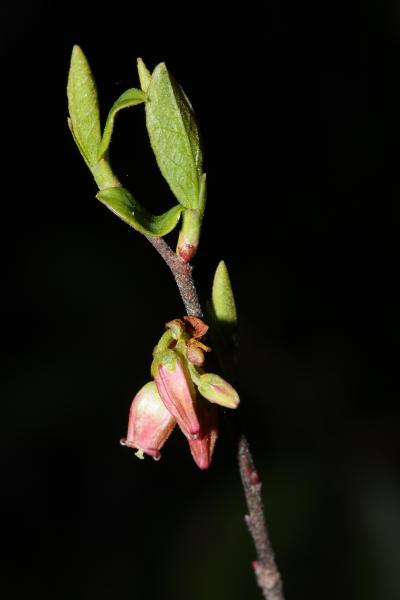 © Scott Ward | Original Image ⭷
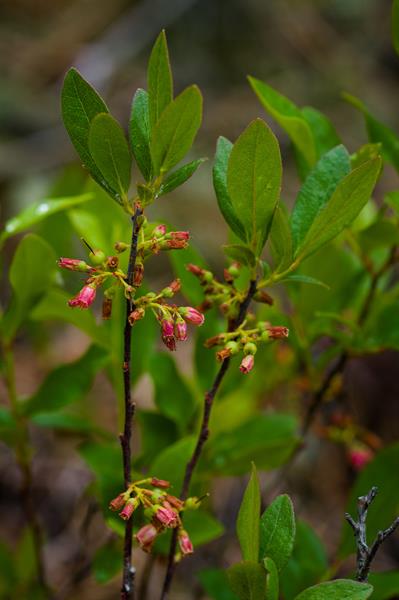 © Erik Danielson source | Original Image ⭷
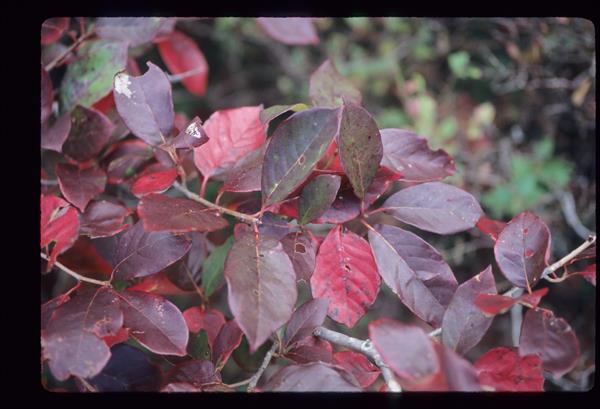 © J.W. Hardin | Original Image ⭷
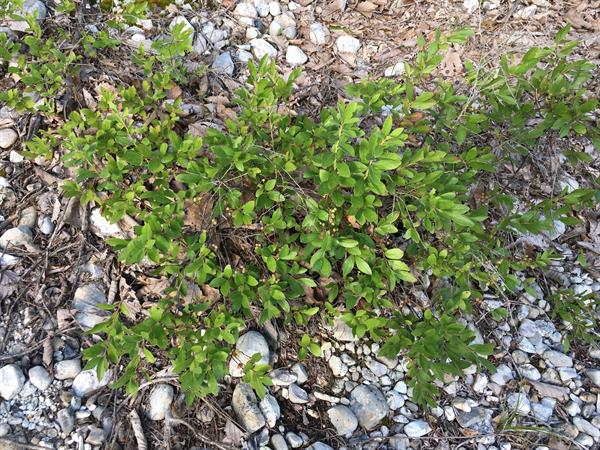 © Joey Shaw source | Original Image ⭷
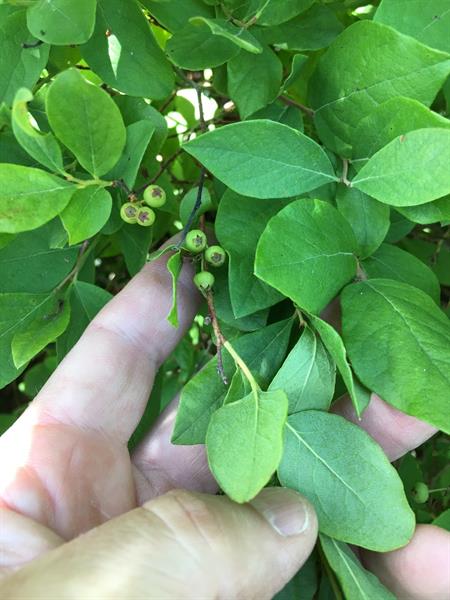 © Joey Shaw source | Original Image ⭷
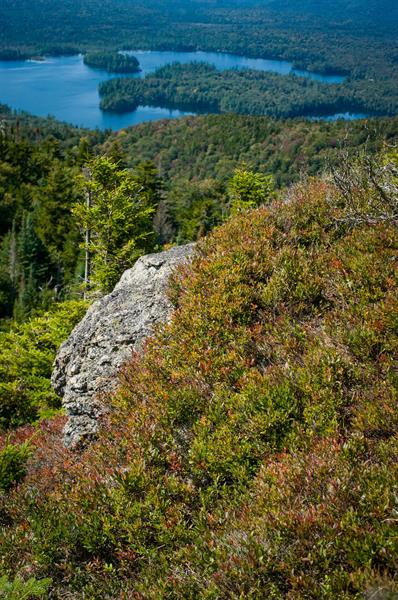 © Erik Danielson source | Original Image ⭷
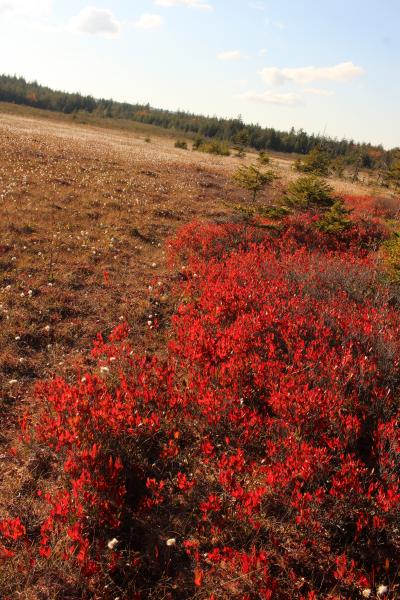 © Scott Ward | Original Image ⭷
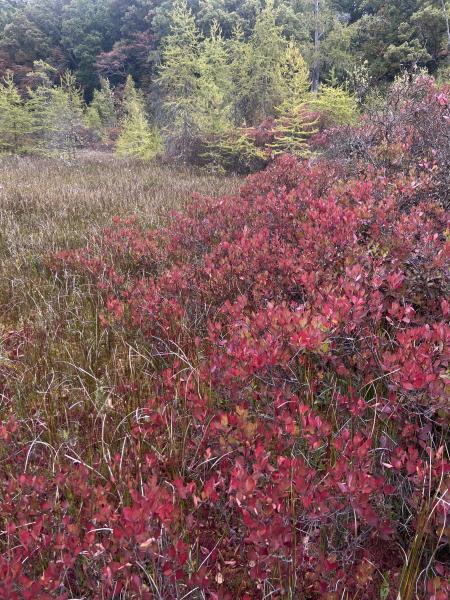 © Scott Ward | Original Image ⭷
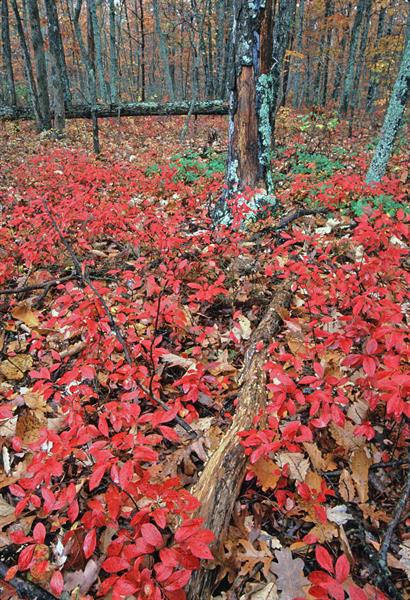 © Gary P. Fleming | Original Image ⭷
Feedback
See something wrong or missing on about Gaylussacia baccata? Let us know here: (Please include your name and email if at all complicated so we can clarify if needed.)
Cite as...