 Pluchea baccharis (P. Miller) Pruski. Rose Fleabane, Savanna Fleabane. Phen: Jun-Jul. Hab: Wet pine savannas, other saturated wetlands. Dist: E. NC south to s. FL, west to se. TX; Bahamas, Cuba, Mexico (CAM, OAX, ROO, VER, YUC), and Central America.
Origin/Endemic status: Native
Taxonomy Comments: Pruski (2005) established that P. baccharis is the correct name for the taxon known in recent decades as P. rosea. Godfrey (1952) recognized two varieties of P. rosea, var. rosea of se. United States and var. mexicana R.K. Godfrey of gypsum plains in San Luis Potosí, Mexico; Nesom (1989) recognized the latter taxon at the species level, P. mexicana (R.K. Godfrey) Nesom.
Synonymy: = Fl7, FNA19, K3, K4, Mex, WH3, Pruski (2005); = Pluchea rosea R.K.Godfrey – Bah, K1, RAB, Tx, Arriagada (1998), Nesom (1989a), Nesom (2004a); = Pluchea rosea R.K.Godfrey var. rosea – GW2, SE1
Wetland Indicator Status:
- Atlantic and Gulf Coastal Plain: FACW
- Great Plains: FACW
Heliophily: 8
Hover over a shape, letter, icon, or arrow on the map for definition or see the legend.
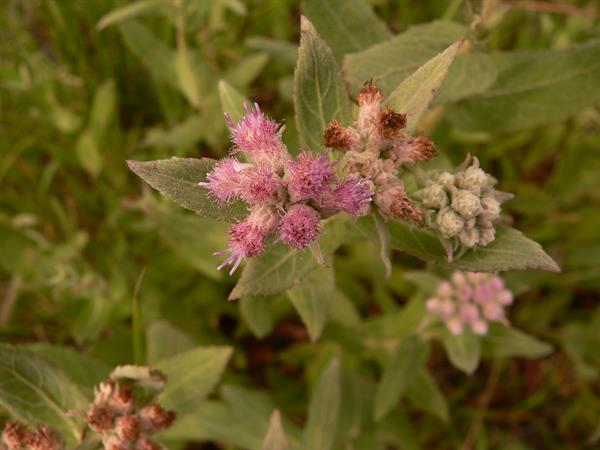 © Richard & Teresa Ware CC-BY-NC, permission granted to NCBG | Original Image ⭷
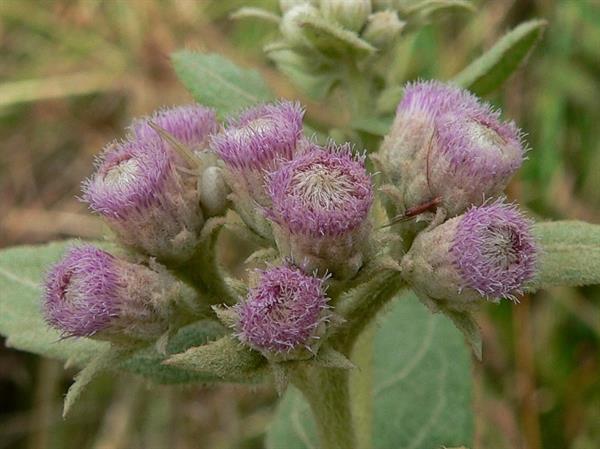 © Richard & Teresa Ware CC-BY-NC, permission granted to NCBG | Original Image ⭷
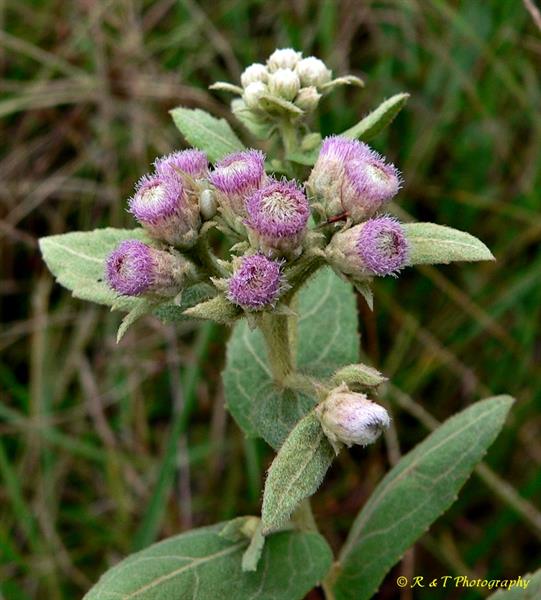 © Richard & Teresa Ware CC-BY-NC, permission granted to NCBG | Original Image ⭷
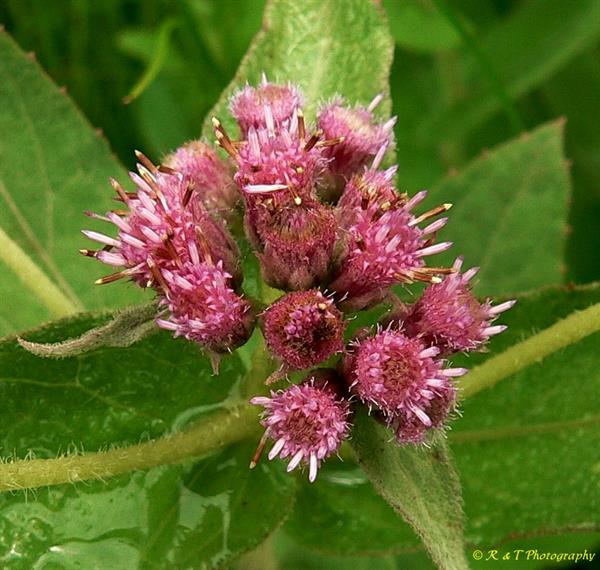 © Richard & Teresa Ware CC-BY-NC, permission granted to NCBG | Original Image ⭷
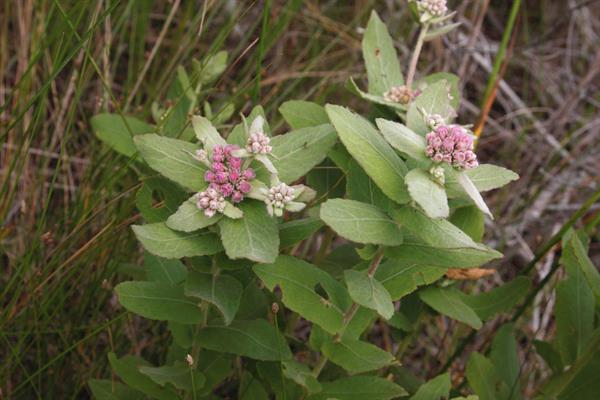 © Bruce A. Sorrie | Original Image ⭷
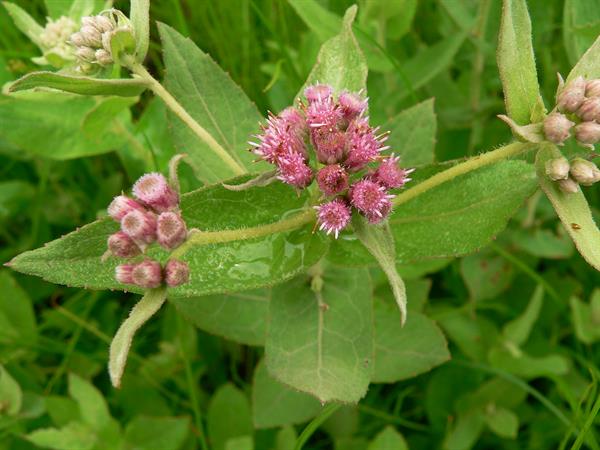 © Richard & Teresa Ware CC-BY-NC, permission granted to NCBG | Original Image ⭷
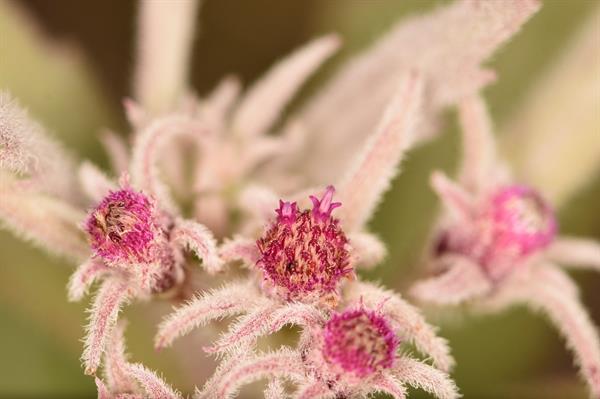 © Aidan Campos source | Original Image ⭷
Feedback
See something wrong or missing on about Pluchea baccharis? Let us know here: (Please include your name and email if at all complicated so we can clarify if needed.)
Cite as...