 Solidago arguta Aiton. Subgenus: Pleiactila. Section: Argutae. Subsection: Argutae. Forest Goldenrod. Phen: Aug-Oct. Hab: Woodlands, woodland borders, bluffs, sloped forests, road margins or cut-over woods. Dist: S. ME and s. ON south to NC and TN; disjunct in s. OL, MO, and (?) AR.
Origin/Endemic status: Native
Taxonomy Comments: Some western populations have been called S. arguta var. neurolepis or S. neurolepis (see synonymy); this has alternately been considered to be a hybrid.
Synonymy: = F, G, Il, S, Tat, Semple et al (2021); = Solidago arguta Aiton ssp. arguta – C, SE1, W; = Solidago arguta Aiton ssp. arguta var. arguta – FNA20; = Solidago arguta Aiton – K4, NE, NY, Pa, Tn, Va; < Solidago arguta Aiton – RAB; < Solidago arguta Aiton – K1, Johnson (1995); > Solidago arguta Aiton var. neurolepis (Fernald) Steyerm.; > Solidago neurolepis Fernald – F
Wetland Indicator Status:
- Atlantic and Gulf Coastal Plain: UPL (taxonomic split from wetland indicator species)
- Eastern Mountains and Piedmont: UPL (taxonomic split from wetland indicator species)
- Great Plains: FACU (taxonomic split from wetland indicator species)
- Midwest: UPL (taxonomic split from wetland indicator species)
- Northcentral & Northeast: FACU (taxonomic split from wetland indicator species)
Heliophily: 5
Hover over a shape, letter, icon, or arrow on the map for definition or see the legend.
 © Gary P. Fleming | Original Image ⭷
 © Gary P. Fleming | Original Image ⭷
 © Gary P. Fleming | Original Image ⭷
 © Erik Danielson source | Original Image ⭷
 © Alan Weakley source | Original Image ⭷
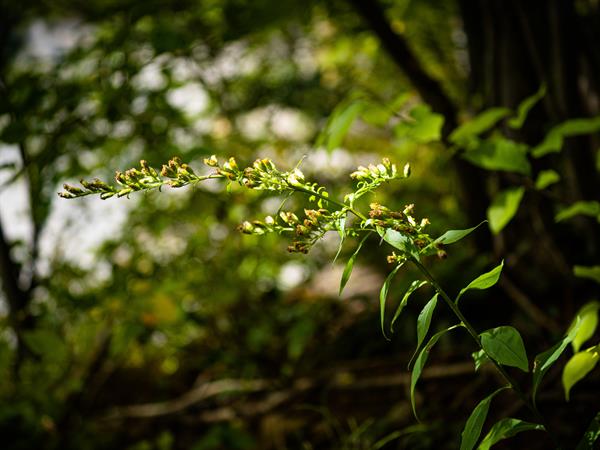 © Erik Danielson source | Original Image ⭷
Feedback
See something wrong or missing on about Solidago arguta? Let us know here: (Please include your name and email if at all complicated so we can clarify if needed.)
Cite as...