https://fsus.ncbg.unc.edu/main.php?pg=show-taxon-detail.php&lsid=urn:lsid:ncbg.unc.edu:taxon:{85CCBE4B-501F-4D3F-9545-623EB51C8C7C}
Rutaceae
Amyris
Amyris P. Browne. Common name: Torchwood.
A genus of about 20 (or more) species, trees and shrubs, of tropical America.
References: Henrickson (2024a) In Flora of North America Editorial Committee (2024); Kubitzki (2011). Show full citations.
Hover over a shape, letter, icon, or arrow on the map for definition or see the legend. Data for arrows not developed for genera and families which may have species only occurring outside the flora area.
© Keith Bradley | Amyris balsamifera | Original Image ⭷
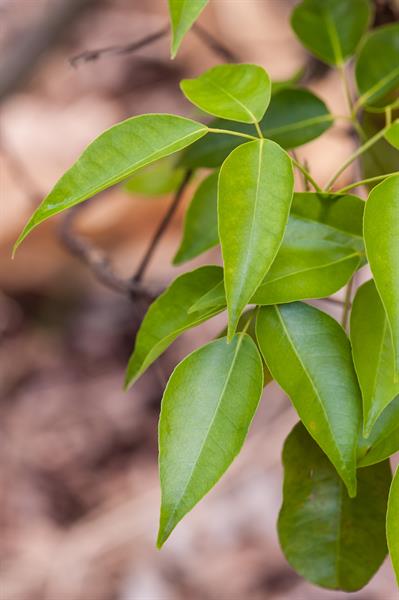
© johnyochum, some rights reserved (CC BY), uploaded by johnyochum | Amyris madrensis source | Original Image ⭷
© Douglas Goldman, some rights reserved (CC BY-SA), uploaded by Douglas Goldman | Amyris texana source | Original Image ⭷
© Keith Bradley | Amyris balsamifera
© Douglas Goldman, some rights reserved (CC BY-SA), uploaded by Douglas Goldman | Amyris texana source | Original Image ⭷
© Michelle W., some rights reserved (CC BY), uploaded by Michelle W. | Amyris texana source | Original Image ⭷
no rights reserved, uploaded by Diego Blanco | Amyris madrensis source | Original Image ⭷
© Alexis Tinker-Tsavalas, some rights reserved (CC BY), uploaded by Alexis Tinker-Tsavalas | Amyris elemifera source | Original Image ⭷
© Brandon Corder | Amyris elemifera sourceFeedback
See something missing or incorrect about Amyris? Let us know here:
- Please include your name and if possible, email in case when need to clarify what you wrote.
- If you opt out of including email, please be as specific as possible (e.g., which photo is incorrect?)
- Please do not submit questions asking to identify plants or about horticultural topics (e.g., how do I control an invasive plant in my garden?). Instead, those questions can be submitted here for the Carolinas region only.
- Please do not send us feedback about unkeyed species as this work is ongoing.
- Please allow time for flora edits to show in our next data release. We greatly appreciate your feedback but may require extra time to research complicated taxonomic issues.