 Bulbostylis Kunth. Hairsedge.
A genus of about 100 species, herbs, of tropical and warm temperate areas, concentrated especially in tropical Africa and tropical South America.
ID notes:Bulbostylis are small tufted plants (with wirelike or threadlike culms (flowering stems) and leaves, 5-40 (-50) cm tall. The inflorescence is branched and open, or compact. Each spikelet is composed of several to many tiny florets, arranged spirally in our species.
Key advice:Key ID features to note include size and ornamentation of the achenes and whether plants are annual or perennial.
Ref: Goetghebeur In Kubitzki (1998b); Kral (1971); Kral (2002c) In Flora of North America Editorial Committee (2002b). Show full citations.
Hover over a shape, letter, icon, or arrow on the map for definition or see the legend. Data for arrows not developed for genera and families which may have species only occurring outside the flora area.
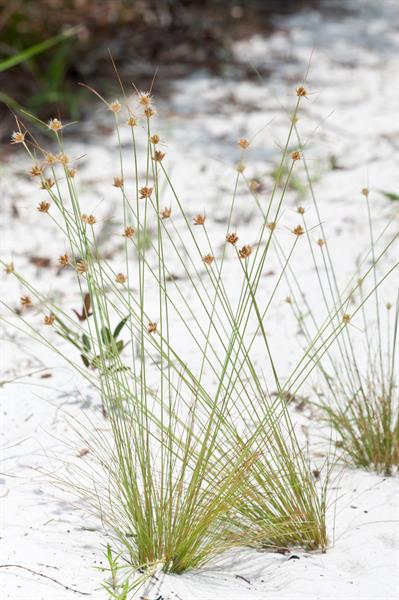 © Keith Bradley | Bulbostylis warei | Original Image ⭷
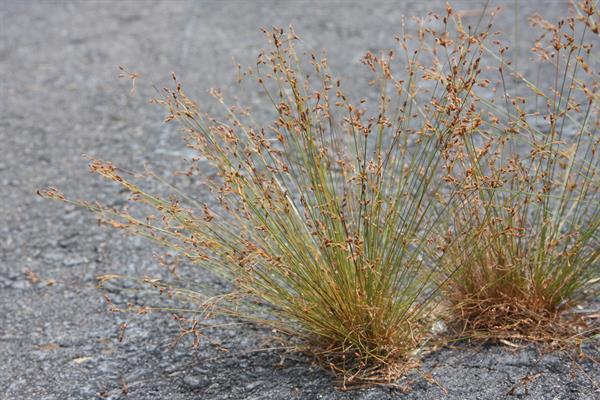 © Bruce A. Sorrie | Bulbostylis capillaris ssp. capillaris | Original Image ⭷
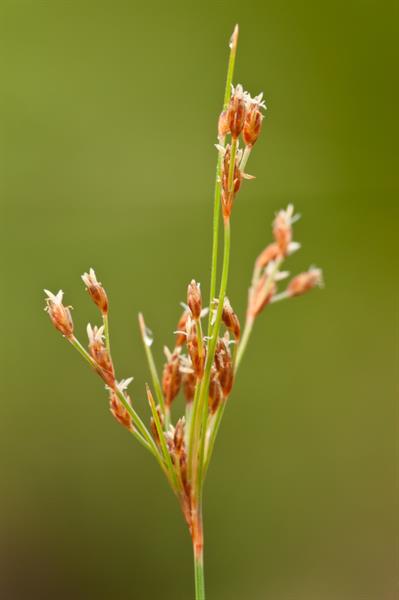 © Keith Bradley | Bulbostylis coarctata | Original Image ⭷
Feedback
See something wrong or missing on about Bulbostylis? Let us know here: (Please include your name and email if at all complicated so we can clarify if needed.)
Cite as...