 Chrysopsis (Nuttall) Elliott. Golden-aster.
A genus of about 12-15 species, herbs, of se. North America, Mexico, and the Bahamas. This remains a difficult and rather poorly understood group. The appropriate taxonomic status of many of the entities remains unclear.
Ref: Cronquist (1980); DeLaney, Wunderlin, & Semple (2003); Harms (1974); Nesom (2000b); Semple (1981); Semple (1996); Semple (2006c) In Flora of North America Editorial Committee (2006b); Ward (2012a). Show full citations.
Hover over a shape, letter, icon, or arrow on the map for definition or see the legend. Data for arrows not developed for genera and families which may have species only occurring outside the flora area.
 © Scott Ward | Chrysopsis floridana | Original Image ⭷
 © Gary P. Fleming | Chrysopsis mariana | Original Image ⭷
 © Scott Ward | Chrysopsis highlandsensis | Original Image ⭷
 © Scott Ward | Chrysopsis delaneyi | Original Image ⭷
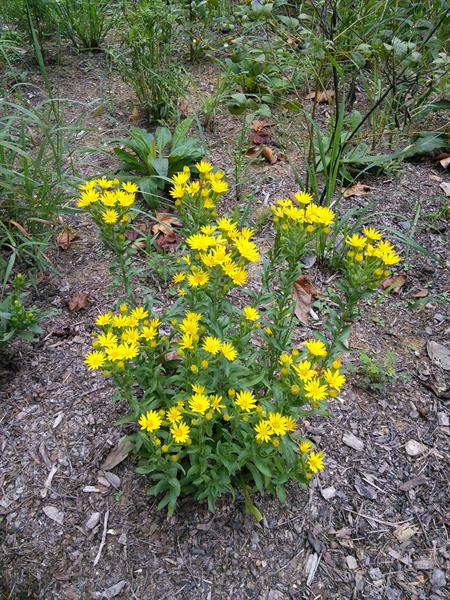 © Grant Morrow Parkins | Chrysopsis mariana | Original Image ⭷
 © Scott Ward | Chrysopsis subulata | Original Image ⭷
 © Jay Horn | Chrysopsis cruiseana source | Original Image ⭷
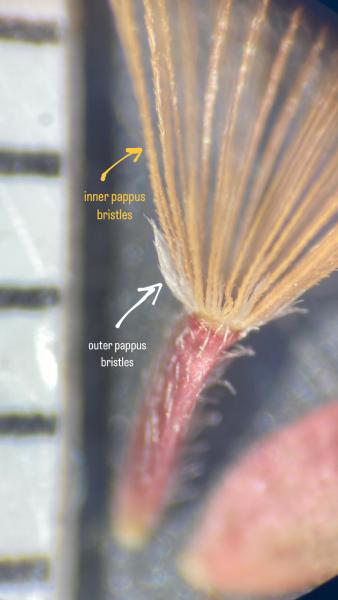 © Scott Ward | Chrysopsis mariana | Original Image ⭷
Feedback
See something wrong or missing on about Chrysopsis? Let us know here: (Please include your name and email if at all complicated so we can clarify if needed.)
Cite as...