 Clinopodium Linnaeus. Calamint.
A genus of uncertain circumscription and size, herbs and shrubs, of temperate and subtropical areas of the w. and e. hemispheres. The circumscription will certainly change in the future, with the native species here placed in Clinopodium rearrayed into several genera, based on the clear polyphyly of a broad Clinopodium and its possible interdigitation with other genera (such as Conradina, Piloblephis, and Stachydeoma), as shown by Bräuchler, Meimberg, & Heubl (2010), Drew & Sytsma (2012), and Edwards, Soltis, & Soltis (2006). Naranjo et al. (2022) found "cleaner" boundaries, but with Florida Clinopodium species still polyphyletic; Clinopodium coccineum, C. dentatum, and C. ashei form a clade sister to Clinopodium georgianum + Stachydeoma + Piloblephis + Conradina. Moreover, southeastern North American "Clinopodium" are not congeneric with Eurasian genera in which they have been placed: Clinopodium, Calamintha, or Satureja.
Ref: Bräuchler, Meimberg, & Heubl (2010); Cantino & Wagstaff (1998); Drew & Sytsma (2012); Drew & Sytsma (2012); Edwards, Soltis, & Soltis (2006); Floden et al. (2020); Naranjo et al. (2022); Shinners (1962a); Shinners (1962f). Show full citations.
Hover over a shape, letter, icon, or arrow on the map for definition or see the legend. Data for arrows not developed for genera and families which may have species only occurring outside the flora area.
 © Gary P. Fleming | Clinopodium calamintha | Original Image ⭷
 © Alan M. Cressler | Clinopodium glabellum | Original Image ⭷
 © Scott Ward | Clinopodium ashei | Original Image ⭷
 © Gary P. Fleming | Clinopodium calamintha | Original Image ⭷
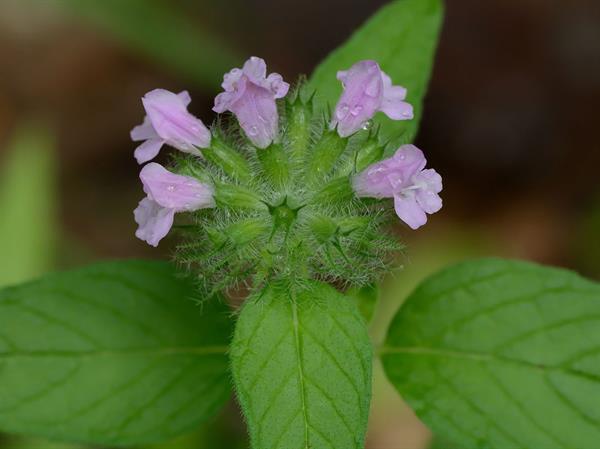 © Gary P. Fleming | Clinopodium vulgare | Original Image ⭷
Feedback
See something wrong or missing on about Clinopodium? Let us know here: (Please include your name and email if at all complicated so we can clarify if needed.)
Cite as...