 Gymnocladus Lamarck. Subfamily: Caesalpinoideae. clade: Caesalpinoid clade. Kentucky Coffee-tree.
A genus of 4-6 species, all trees, ours in e. North America and 5 species in e. Asia, related to Gleditsia.
Ref: Isely (1975); Isely (1990); Isely (1998); Lee (1976); Poindexter, Adams, & Weakley (2023a) In Flora of North America Editorial Committee (2023a); Robertson & Lee (1976); Spaeth & Thieret (2004). Show full citations.
Hover over a shape, letter, icon, or arrow on the map for definition or see the legend. Data for arrows not developed for genera and families which may have species only occurring outside the flora area.
 © Gary P. Fleming | Gymnocladus dioicus | Original Image ⭷
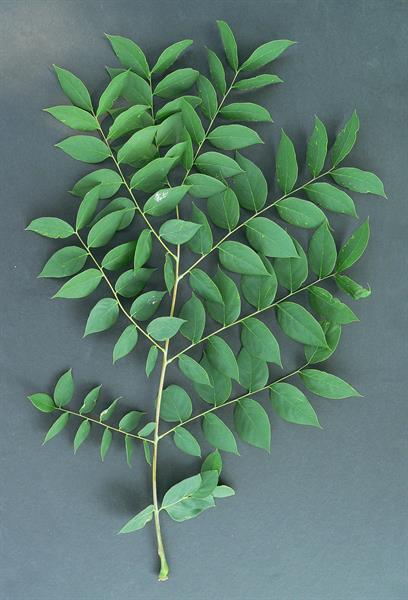 © Richard & Teresa Ware | Gymnocladus dioicus CC-BY-NC, permission granted to NCBG | Original Image ⭷
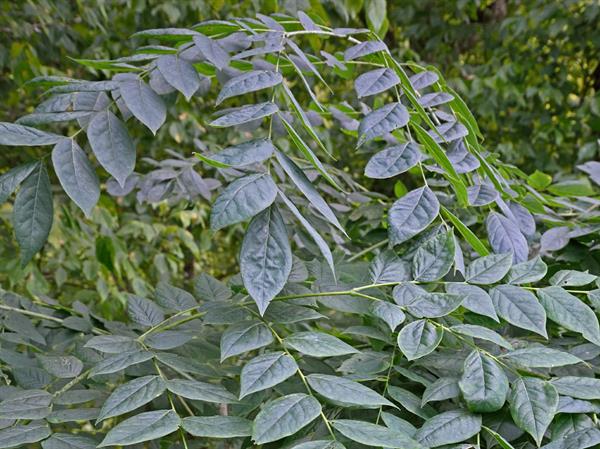 © Gary P. Fleming | Gymnocladus dioicus | Original Image ⭷
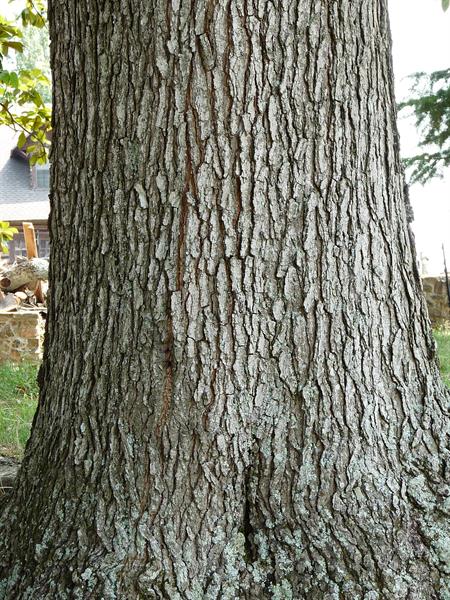 © Richard & Teresa Ware | Gymnocladus dioicus CC-BY-NC, permission granted to NCBG | Original Image ⭷
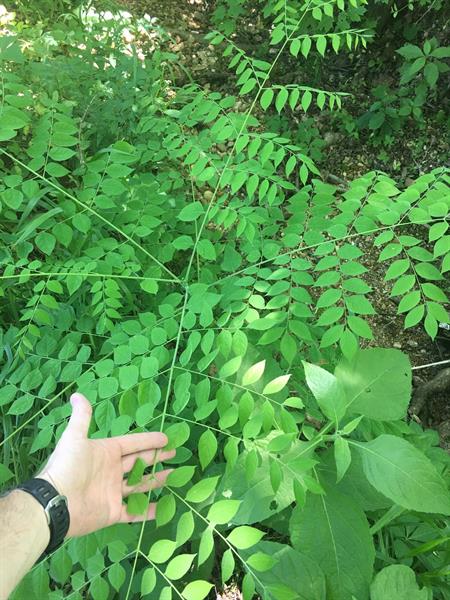 © Joey Shaw | Gymnocladus dioicus source | Original Image ⭷
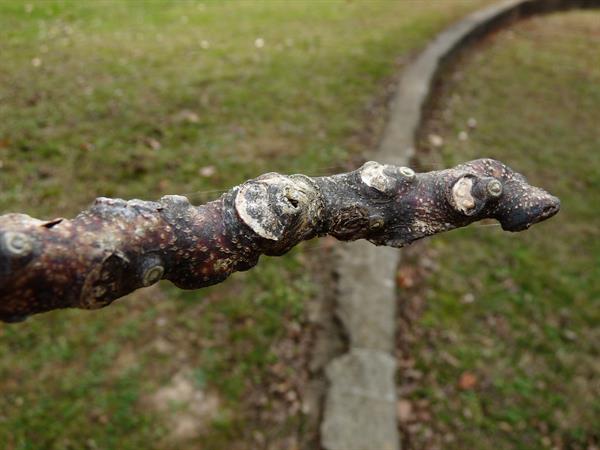 © Richard & Teresa Ware | Gymnocladus dioicus CC-BY-NC, permission granted to NCBG | Original Image ⭷
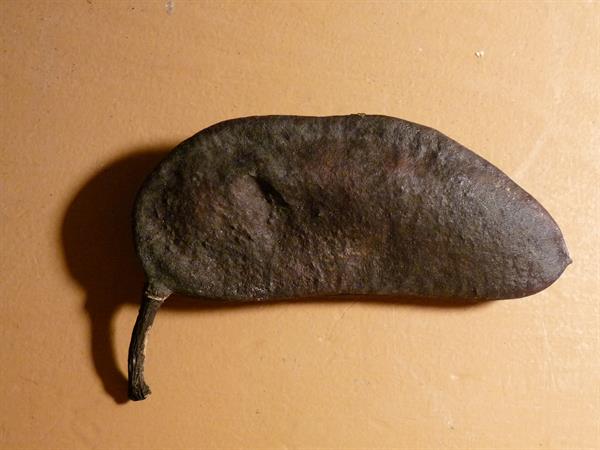 © Richard & Teresa Ware | Gymnocladus dioicus CC-BY-NC, permission granted to NCBG | Original Image ⭷
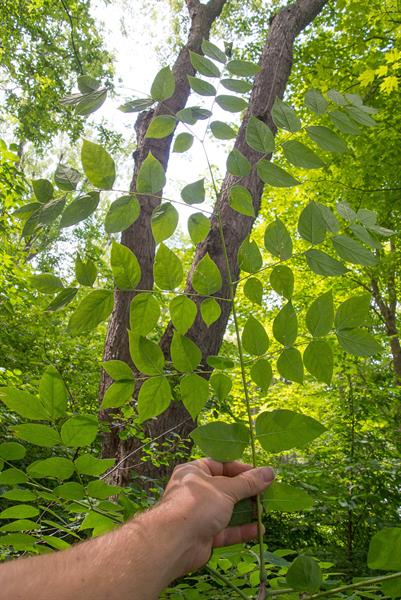 © Erik Danielson | Gymnocladus dioicus source | Original Image ⭷
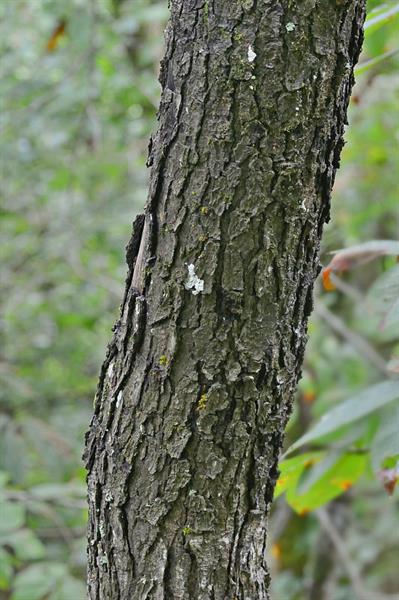 © Gary P. Fleming | Gymnocladus dioicus | Original Image ⭷
 © Radford, Ahles and Bell | Gymnocladus dioicus | Original Image ⭷
Feedback
See something wrong or missing on about Gymnocladus? Let us know here: (Please include your name and email if at all complicated so we can clarify if needed.)
Cite as...