 *Hedera Linnaeus. Ivy.
A genus of 15 species, lianas, distributed from Mediterranean Europe west to e. Asia (Plunkett et al. 2018b).
ID notes:The leaves of Hedera are dimorphic, sometimes confusing observers; "juvenile" leaves (those of the sterile branches) are about as wide as long and (in H. helix) palmately 3-5-lobed, those of the fertile branches (less commonly seen) are obovate or elliptic. Juvenile leaf lobing can sometimes be subtle (e.g. H. algeriensis).
Ref: Ackerfield & Wen (2002); Ballou et al. (2023); Frodin & Govaerts (2003); Graham (1966); Green, Ramsey, & Ramsey (2011); Plunkett et al. (2018b) In Kadereit & Bittrich (2018); Stace (2010); Staff of the Bailey Hortorium (1976). Show full citations.
Hover over a shape, letter, icon, or arrow on the map for definition or see the legend. Data for arrows not developed for genera and families which may have species only occurring outside the flora area.
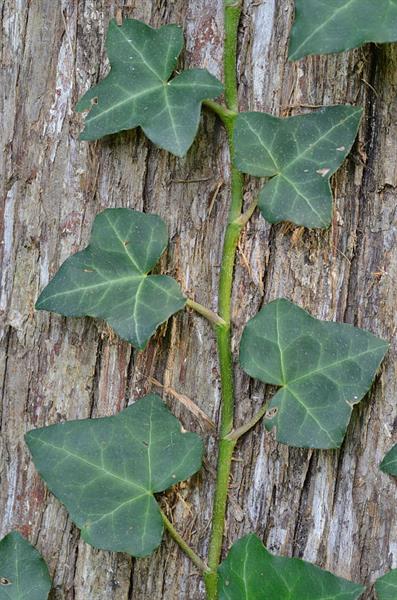 © Gary P. Fleming | Hedera helix var. helix | Original Image ⭷
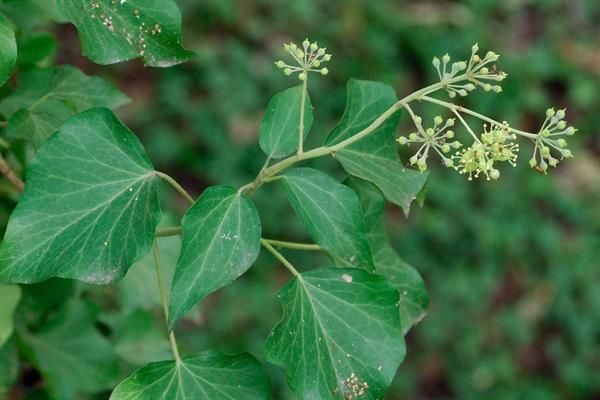 © Gary P. Fleming | Hedera helix var. helix | Original Image ⭷
 © Douglas Goldman, some rights reserved (CC BY), uploaded by Douglas Goldman | Hedera hibernica source | Original Image ⭷
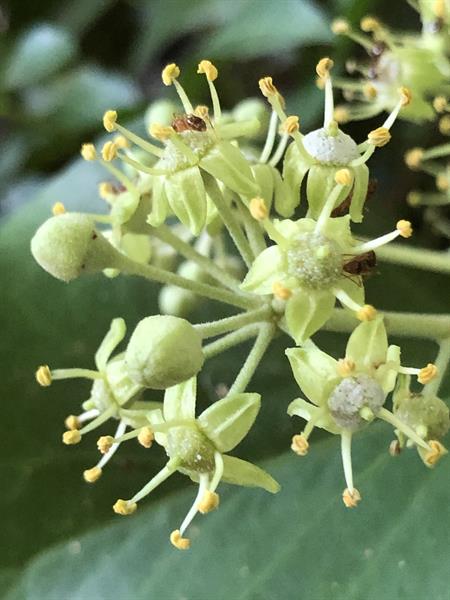 © Sus scrofa, some rights reserved (CC BY), uploaded by Sus scrofa | Hedera hibernica source | Original Image ⭷ Warning: was NOT research grade.
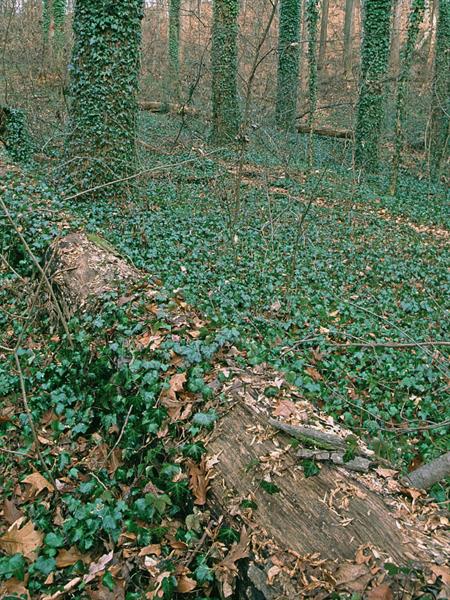 © Gary P. Fleming | Hedera helix var. helix | Original Image ⭷
 © Jennifer Ackerfield | Original Image ⭷
 © Jennifer Ackerfield | Original Image ⭷
 © ShroomJunk, some rights reserved (CC BY), uploaded by ShroomJunk | Hedera hibernica source | Original Image ⭷
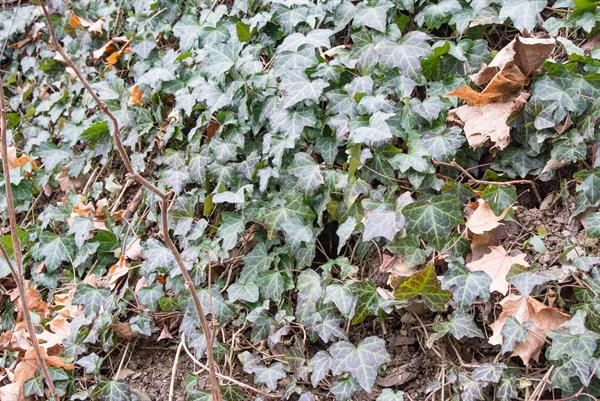 © Erik Danielson | Hedera helix var. helix source | Original Image ⭷
Feedback
See something wrong or missing on about Hedera? Let us know here: (Please include your name and email if at all complicated so we can clarify if needed.)
Cite as...