 Linum Linnaeus. Flax.
A genus of about 180 species, herbs, of temperate and subtropical areas. The traditional separation of Linum, its component sections, and related genera (Sclerolinum, Hesperolinum, Cliococca) appears to need reworking (McDill et al. 2009; McDill & Simpson 2011; Schneider et al. 2016). Linum could encompass the related genera into an ever more heterogeneous Linum sensu lato, or sections of Linum could be elevated to generic rank (some sections have been previously accorded such rank).
Ref: Bradley & Weakley (2020) In Weakley et al. (2020); Dressler, Repplinger, & Bayer In Kubitzki (2014); McDill & Simpson (2011); McDill et al. (2009); Morin (2006) In Flora of North America Editorial Committee (2016); Rogers (1963); Rogers (1984); Schneider et al. (2016). Show full citations.
Hover over a shape, letter, icon, or arrow on the map for definition or see the legend. Data for arrows not developed for genera and families which may have species only occurring outside the flora area.
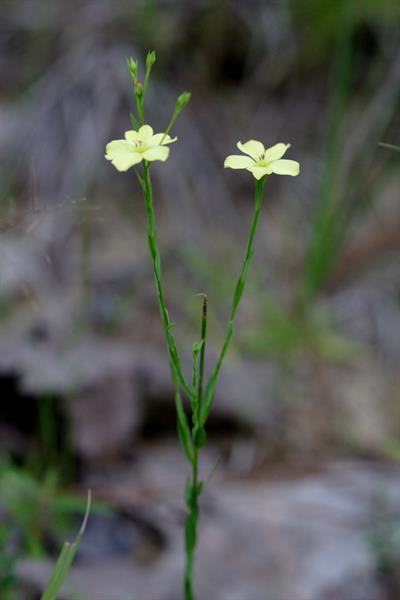 © John Gwaltney | Linum virginianum | Original Image ⭷
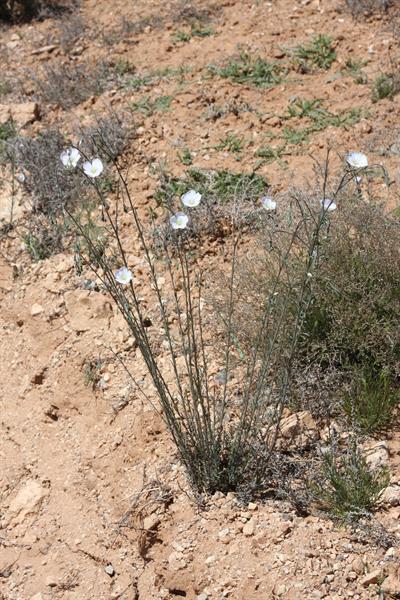 © Bruce A. Sorrie | Linum lewisii var. lewisii | Original Image ⭷
 © Gary P. Fleming | Linum striatum | Original Image ⭷
 © Alan M. Cressler | Linum curtissii | Original Image ⭷
 © Emily Summerbell, some rights reserved (CC BY), uploaded by Emily Summerbell | Linum grandiflorum source | Original Image ⭷
Feedback
See something wrong or missing on about Linum? Let us know here: (Please include your name and email if at all complicated so we can clarify if needed.)
Cite as...