 *Orobanche Linnaeus. Cancer-root, Broomrape, Vetch-strangler.
A genus of about 100 species (with Aphyllon, Myzorrhiza, and Phelipanche removed, as here), holoparasitic herbs, of mainly Eurasia.
Ref: Collins, Colwell, & Yatskievych (2019c) In Flora of North America Editorial Committee (2019); Joel (2009); Manen et al. (2004); Musselman (1982); Park et al. (2008); Schneeweiss (2013); Thieret (1971). Show full citations.
Hover over a shape, letter, icon, or arrow on the map for definition or see the legend. Data for arrows not developed for genera and families which may have species only occurring outside the flora area.
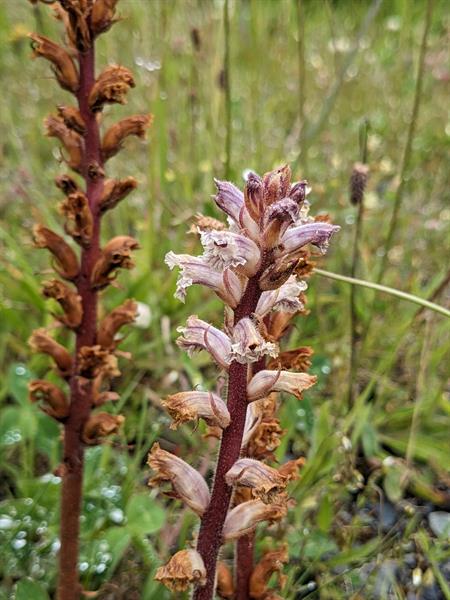 © Dustin, some rights reserved (CC BY), uploaded by Dustin | Orobanche minor source | Original Image ⭷
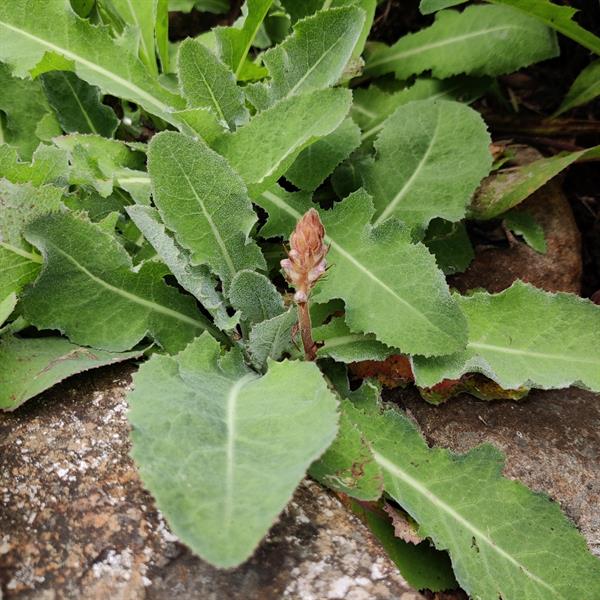 © Joe Dillon, some rights reserved (CC BY), uploaded by Joe Dillon | Orobanche minor source | Original Image ⭷
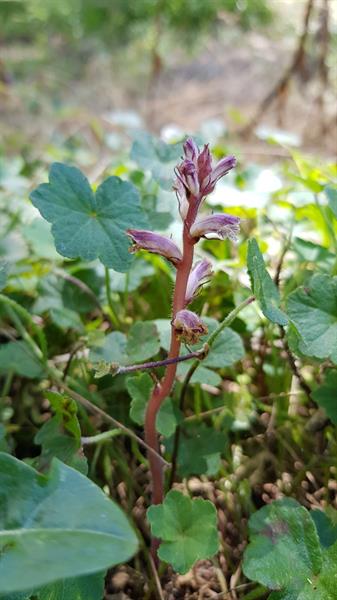 © Sofia Zvolanek, some rights reserved (CC BY), uploaded by Sofia Zvolanek | Orobanche minor source | Original Image ⭷
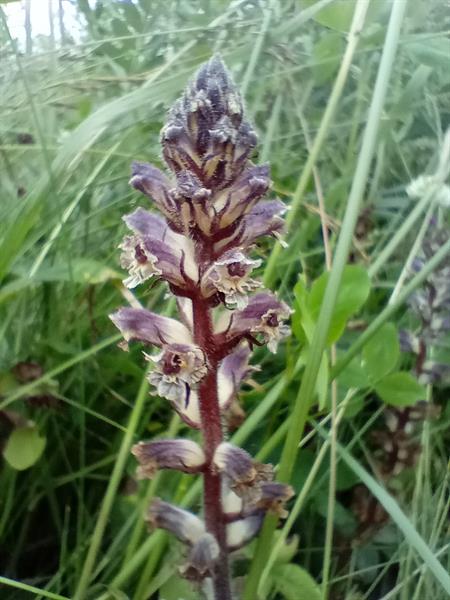 © John Barkla, some rights reserved (CC BY), uploaded by John Barkla | Orobanche minor source | Original Image ⭷
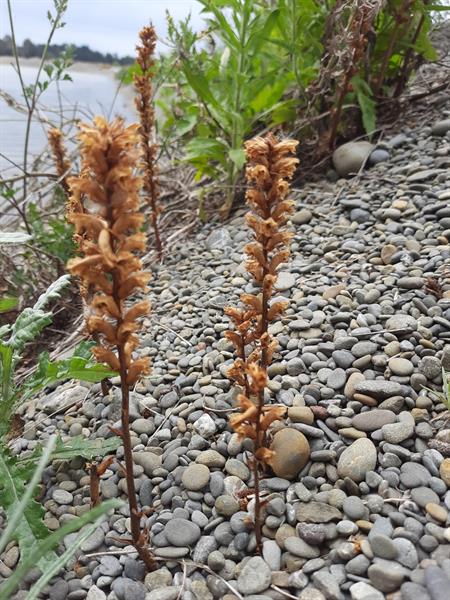 © Genevieve Early, some rights reserved (CC BY), uploaded by Genevieve Early | Orobanche minor source | Original Image ⭷
Feedback
See something wrong or missing on about Orobanche? Let us know here: (Please include your name and email if at all complicated so we can clarify if needed.)
Cite as...