 Paronychia P. Miller. Whitlow-wort, Nailwort.
Contributed by Alan S. Weakley and Scott G. Ward
A genus of about 110 species, herbs and shrubs, nearly cosmopolitan in distribution. This genus consists mostly of plants of dry rocky or sandy habitats.
Key advice:Magnification of at least 10× is necessary for the identification of many of the taxa.
Ref: Bittrich (1993) In Kubitzki, Rohwer, & Bittrich (1993); Chaudhri (1968); Hartman, Thieret, & Rabeler (2005) In Flora of North America Editorial Committee (2005); Rohrer (1997); Schenk & Appleton (2021); Schenk et al. (2018); Shinners (1962h); Turner (1983); Ward (1977a); Ward (1977b). Show full citations.
Hover over a shape, letter, icon, or arrow on the map for definition or see the legend. Data for arrows not developed for genera and families which may have species only occurring outside the flora area.
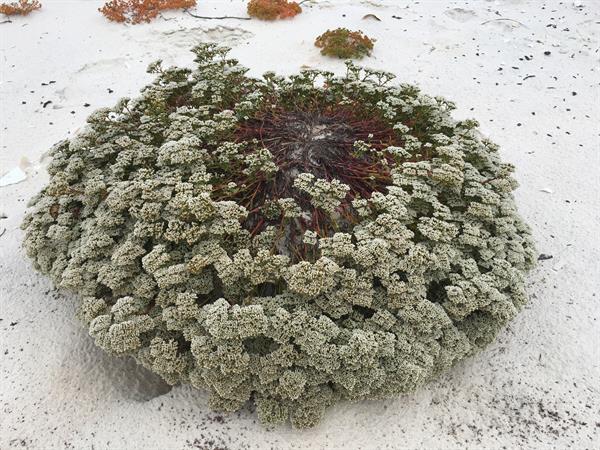 © Alan Weakley | Paronychia erecta var. erecta source | Original Image ⭷
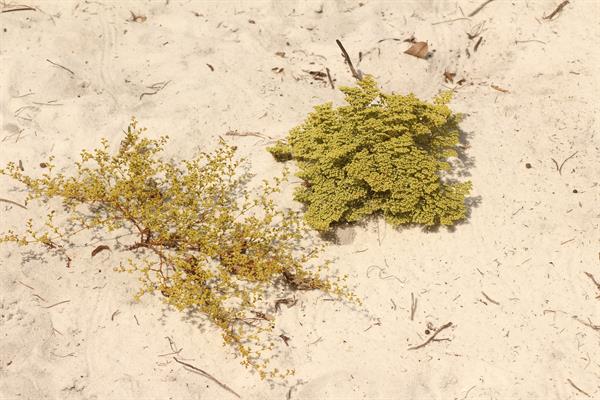 © Scott Ward | Paronychia chartacea | Original Image ⭷
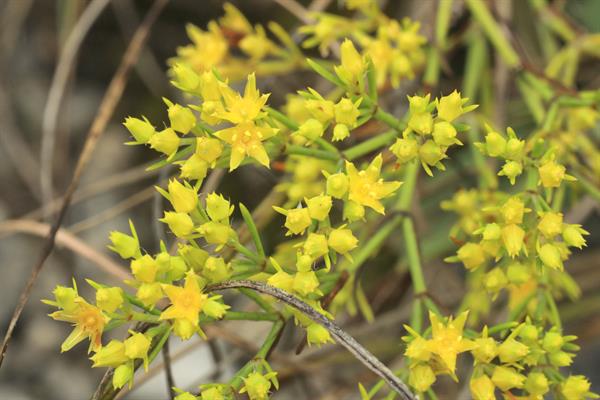 © Alan Cressler: Paronychia virginica, Ketona Dolomite, Tourist Glade, Kathy Stiles Freeland Bibb County Glades Preserve, The Nature Conservancy, Bibb County, Alabama 2 by Alan Cressler | Paronychia virginica source | Original Image ⭷
 © Alan Cressler: Paronychia americana, Juno Dunes Natural Area, Palm Beach County, Florida 3 by Alan Cressler | Paronychia americana source | Original Image ⭷
 © Edwin Bridges | Paronychia argyrocoma | Original Image ⭷
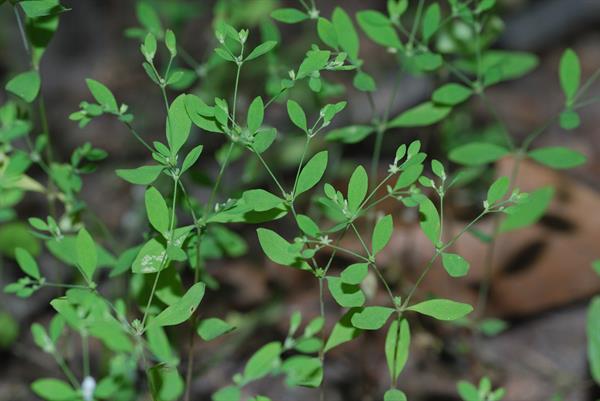 © Gary P. Fleming | Paronychia canadensis | Original Image ⭷
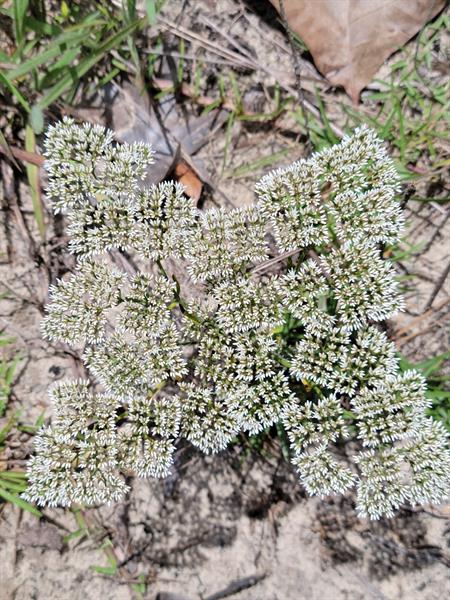 © Jay Horn | Paronychia rugelii source | Original Image ⭷
 © Scott Ward | Paronychia montana | Original Image ⭷
Feedback
See something wrong or missing on about Paronychia? Let us know here: (Please include your name and email if at all complicated so we can clarify if needed.)
Cite as...