 Polygonum Linnaeus. Subfamily: Polygonoideae. Tribe: Polygoneae. Knotweed.
A genus of about 45 species, herbs, of temperate regions of the Northern Hemisphere. Based on morphology, Ronse Decraene, Hong, & Smets (2004) suggested that Polygonella should be merged into Polygonum, as part of section Duravia; the close relationship of Polygonella and Duravia was confirmed using molecular evidence by Schuster, Reveal, & Kron (2011). We treat Polygonum, Polygonella, and Duravia as three monophyletic genera.
Ref: Brandbyge (1993) In Kubitzki, Rohwer, & Bittrich (1993); Brandbyge (1993) In Kubitzki, Rohwer, & Bittrich (1993); Costea & Tardif (2003a); Costea, Tardif, & Hinds (2005f) In Flora of North America Editorial Committee (2005); Horton (1961); Ronse De Craene, Hong, & Smets (2004); Schuster, Reveal, & Kron (2011). Show full citations.
Hover over a shape, letter, icon, or arrow on the map for definition or see the legend. Data for arrows not developed for genera and families which may have species only occurring outside the flora area.
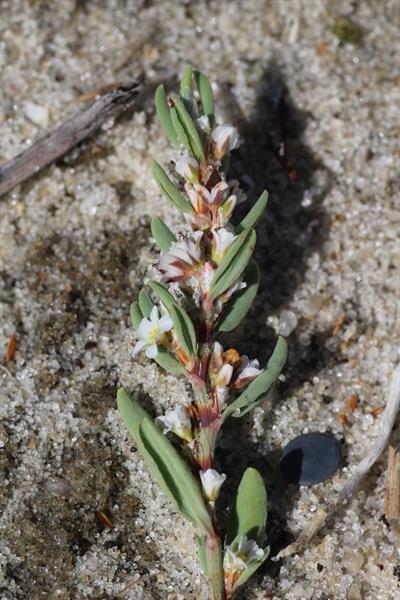 © Scott Ward | Polygonum glaucum | Original Image ⭷
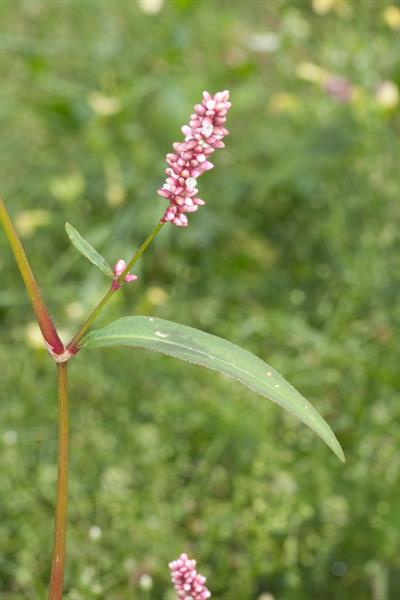 © John Gwaltney | Persicaria | Original Image ⭷
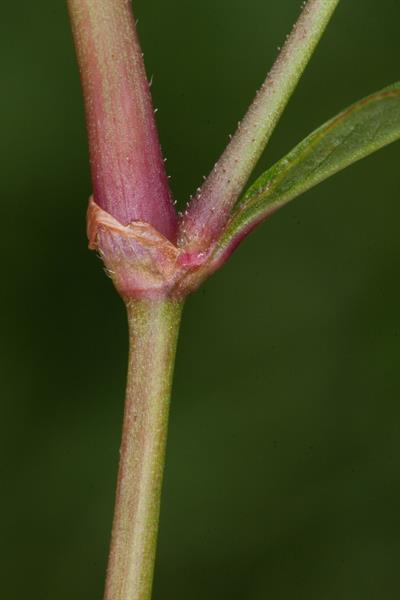 © John Gwaltney | Persicaria | Original Image ⭷
 © Erik Danielson | Polygonum buxiforme source | Original Image ⭷
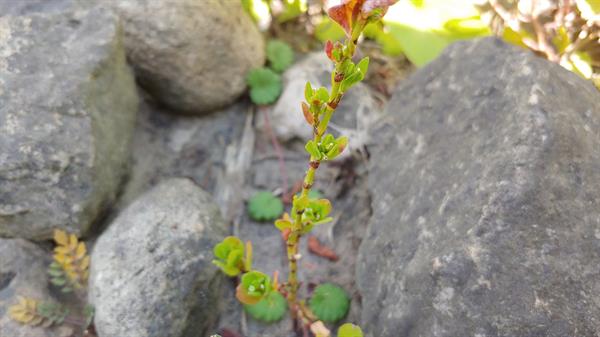 © Ryan Sorrells, some rights reserved (CC BY), uploaded by Ryan Sorrells | Polygonum achoreum source | Original Image ⭷
Feedback
See something wrong or missing on about Polygonum? Let us know here: (Please include your name and email if at all complicated so we can clarify if needed.)
Cite as...