 Spiraea Linnaeus. Subfamily: Amygdaloideae. Tribe: Spiraeeae. Spiraea, Meadowsweet, Hardhack.
A genus of about 80-120 species, shrubs, of north temperate areas (especially Asia). Many species and hybrids are cultivated, and additional taxa to those treated below may be encountered as persistent or escaped.
Ref: Kalkman In Kubitzki et al. (2004); Lis (2014) In Flora of North America Editorial Committee (2014); Mink, Singhurst, & Holmes (2011b); Rehder (1940); Robertson (1974); Uttal (1974). Show full citations.
Hover over a shape, letter, icon, or arrow on the map for definition or see the legend. Data for arrows not developed for genera and families which may have species only occurring outside the flora area.
 © Scott Ward | Spiraea latifolia | Original Image ⭷
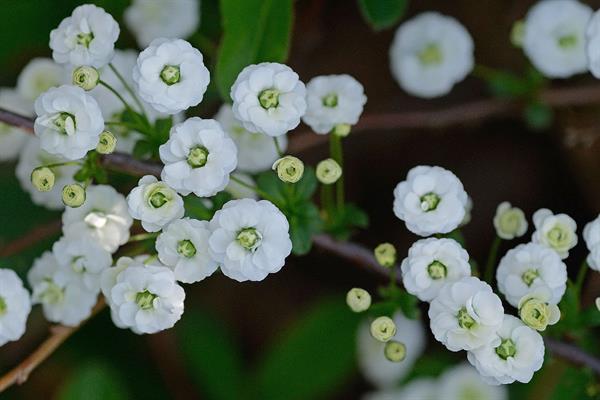 © Gary P. Fleming | Spiraea prunifolia | Original Image ⭷
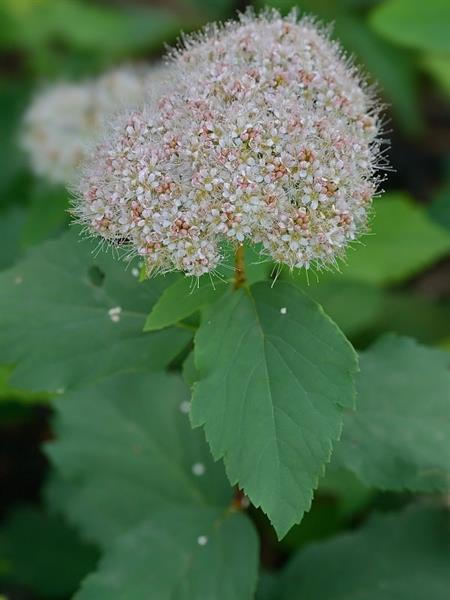 © Gary P. Fleming | Spiraea corymbosa | Original Image ⭷
 © Keith Bradley | Spiraea thunbergii | Original Image ⭷
 © Richard & Teresa Ware | Spiraea virginiana CC-BY-NC, permission granted to NCBG | Original Image ⭷
 © Richard & Teresa Ware | Spiraea ×billardii CC-BY-NC, permission granted to NCBG | Original Image ⭷
 © Alan Cressler: Spiraea alba var. latifolia, Buck Creek Serpentine Barrens, Nantahala National Forest, Clay County, North Carolina 1 by Alan Cressler | Spiraea latifolia source | Original Image ⭷
 © Richard & Teresa Ware | Spiraea tomentosa CC-BY-NC, permission granted to NCBG | Original Image ⭷
 © Keith Bradley | Spiraea japonica | Original Image ⭷
 © Erik Danielson | Spiraea tomentosa source | Original Image ⭷
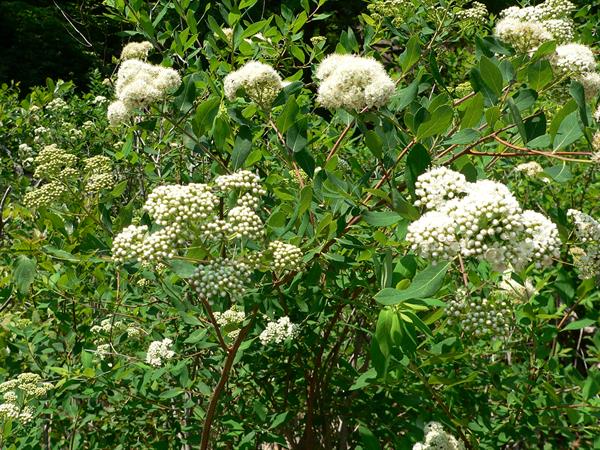 © Richard & Teresa Ware | Spiraea virginiana CC-BY-NC, permission granted to NCBG | Original Image ⭷
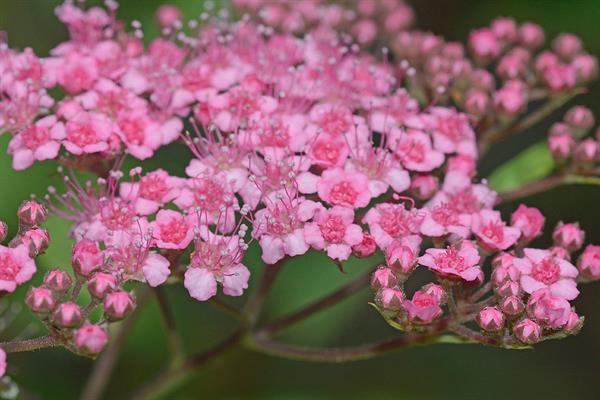 © Gary P. Fleming | Spiraea japonica | Original Image ⭷
 © Keith Bradley | Spiraea thunbergii | Original Image ⭷
Feedback
See something wrong or missing on about Spiraea? Let us know here: (Please include your name and email if at all complicated so we can clarify if needed.)
Cite as...