 Aspleniaceae Newman. Spleenwort Family.
A family of a single genus and about 750 species, of nearly cosmopolitan distribution. Murakami et al. (1999) conducted a molecular phylogenetic analysis of the Aspleniaceae, which confirmed that Camptosorus should be included in Asplenium, but suggested that Phyllitis is better separated from Asplenium. Later and more comprehensive studies have shown that Phyllitis and Camptosorus are deeply embedded in Asplenium (Schneider et al. 2004a; Xu et al. 2020), a conclusion followed here.
Ref: Kessler & Smith (2018); Kramer & Viane In Kramer & Green (1990); Murakami et al. (1999); PPG I (2016); Schneider et al. (2004a); Wagner, Moran, & Werth (1993) In Flora of North America Editorial Committee (1993b); Xu et al. (2020). Show full citations.
Hover over a shape, letter, icon, or arrow on the map for definition or see the legend. Data for arrows not developed for genera and families which may have species only occurring outside the flora area.
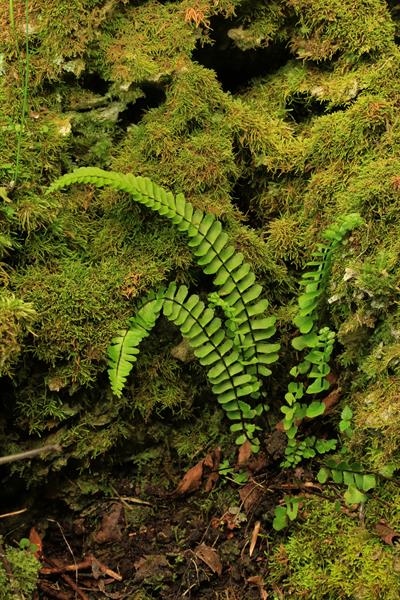 © Alan M. Cressler | Asplenium | Original Image ⭷
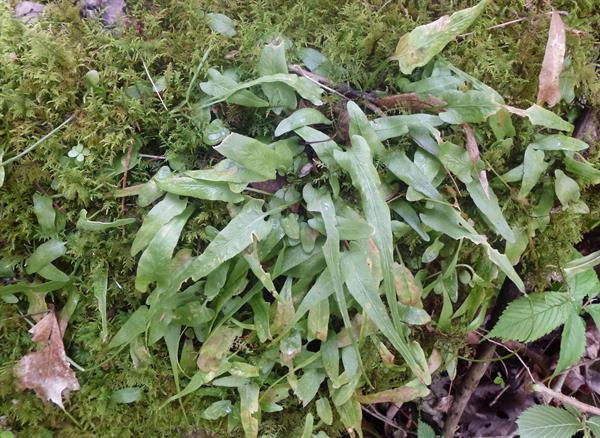 © Edwin Bridges | Asplenium | Original Image ⭷
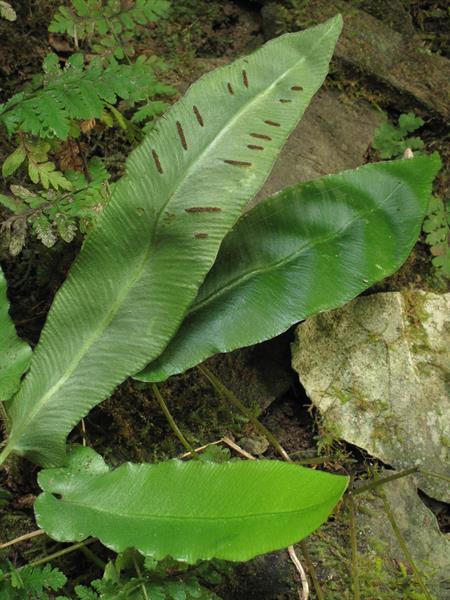 © Alan Cressler: Asplenium scolopendrium var. americanum, Alabama 5 by Alan Cressler | Asplenium source | Original Image ⭷
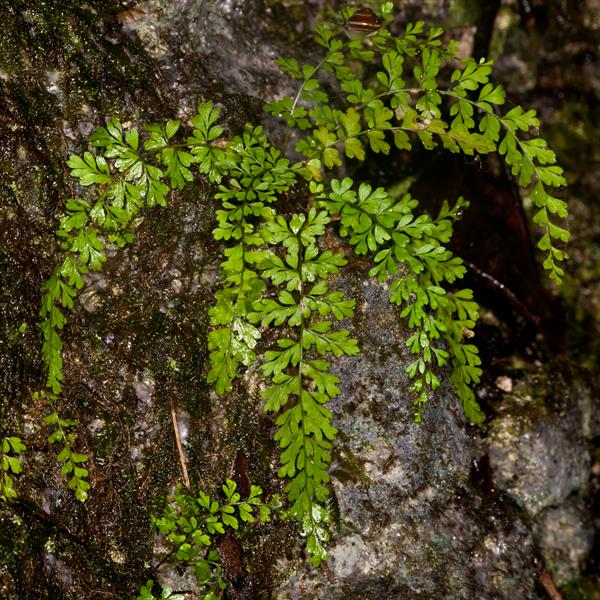 © Keith Bradley | Asplenium | Original Image ⭷
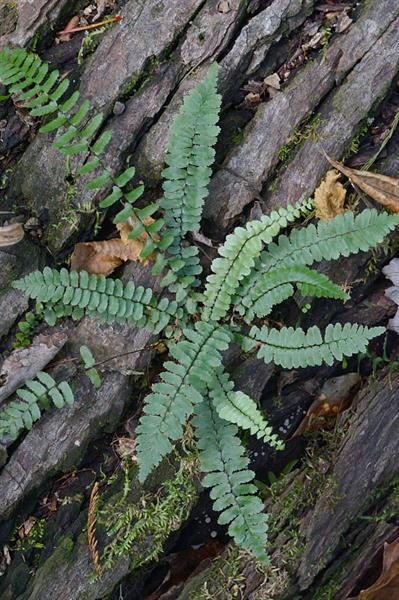 © Gary P. Fleming | Asplenium | Original Image ⭷
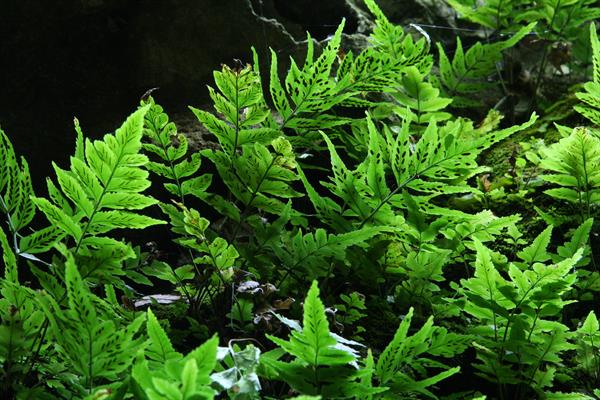 © Alan M. Cressler | Asplenium abscissum var. abscissum | Original Image ⭷
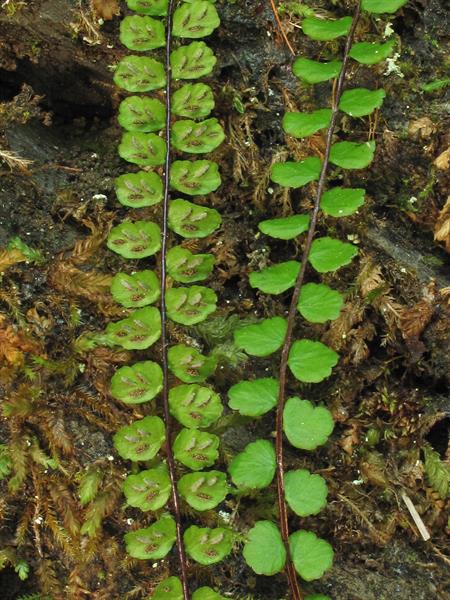 © Alan Cressler: Asplenium trichomanes, Cohutta Wilderness, Chattahoochee National Forest, Fannin County, Georgia 2 by Alan Cressler | Asplenium trichomanes source | Original Image ⭷
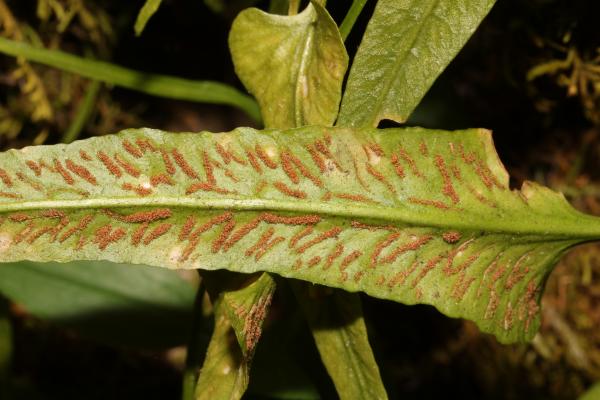 © Scott Ward | Asplenium rhizophyllum | Original Image ⭷
Feedback
See something wrong or missing on about Aspleniaceae? Let us know here: (Please include your name and email if at all complicated so we can clarify if needed.)
Cite as...