 Lauraceae A.L. de Jussieu. Laurel Family.
A family of about 50 genera and 2500-3500 species, trees and shrubs, of tropical, subtropical, and (rarely) warm temperate regions. Laurus nobilis Linnaeus, Laurel, Bay, native to the Mediterranean region of Europe and the bay leaf of commerce; planted as an ornamental and spice, especially in warmer parts of our area, but is not known to escape in our area.
Ref: Rohwer (1993a) In Kubitzki, Rohwer, & Bittrich (1993); Song et al. (2020); van der Werff (1997a) In Flora of North America Editorial Committee (1997); van der Werff & Richter (1996); Yang et al. (2022b). Show full citations.
Hover over a shape, letter, icon, or arrow on the map for definition or see the legend. Data for arrows not developed for genera and families which may have species only occurring outside the flora area.
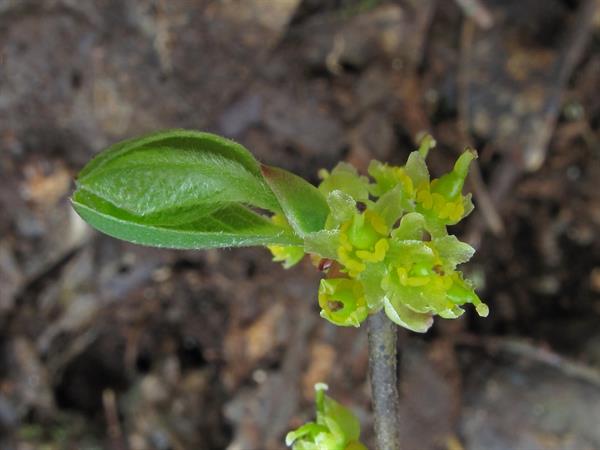 © Alan Cressler: Lindera subcoriacea, Jones County, Georgia 1 by Alan Cressler | Lindera subcoriacea source | Original Image ⭷
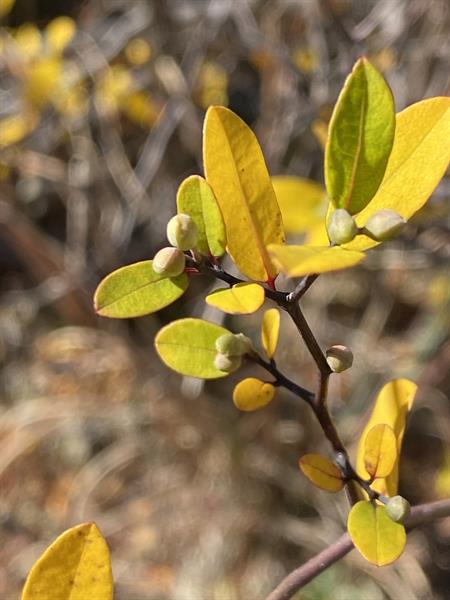 © Alan Weakley | Litsea aestivalis source | Original Image ⭷
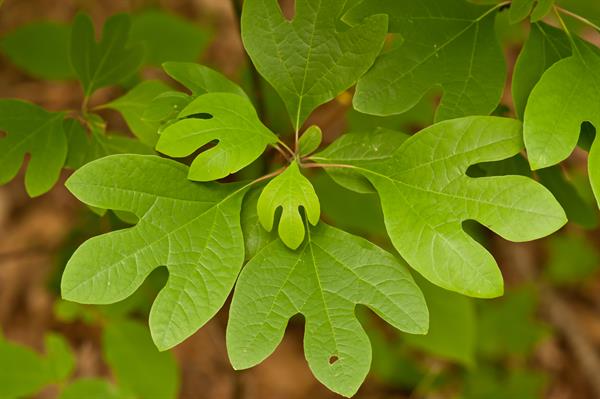 © Keith Bradley | Original Image ⭷
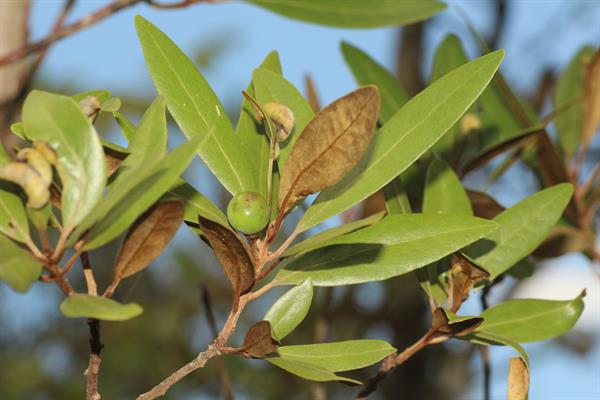 © Scott Ward | Tamala humilis | Original Image ⭷
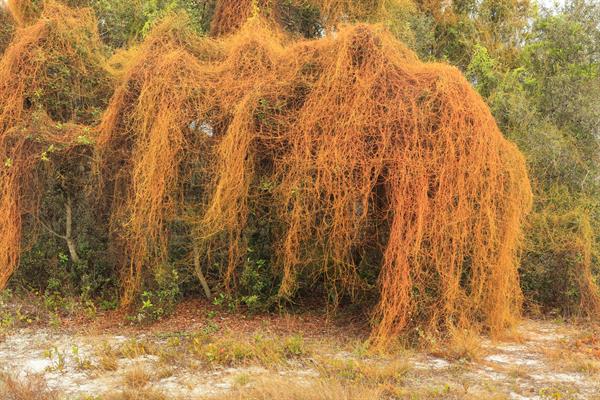 © Alan Cressler: Cassytha filiformis, Atlantic Coastal Ridge, Hypoluxo Scrub Natural Area, Palm Beach County, Florida 2 by Alan Cressler | Cassytha filiformis source | Original Image ⭷
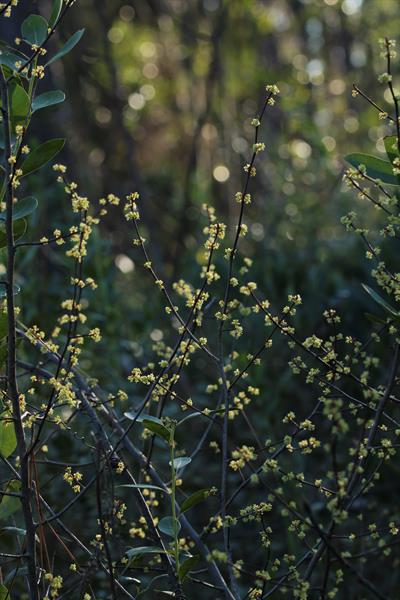 © Scott Ward | Lindera subcoriacea | Original Image ⭷
Feedback
See something wrong or missing on about Lauraceae? Let us know here: (Please include your name and email if at all complicated so we can clarify if needed.)
Cite as...