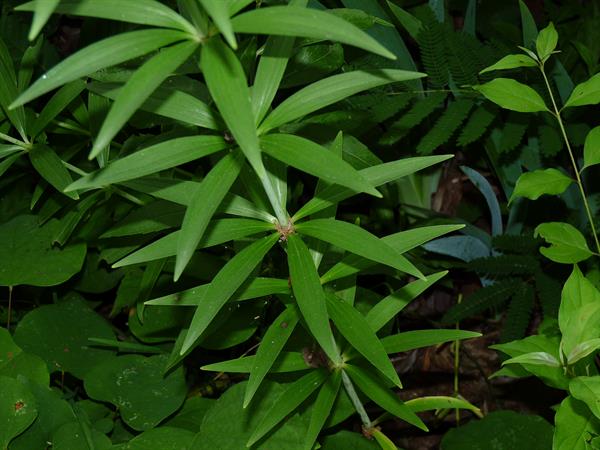
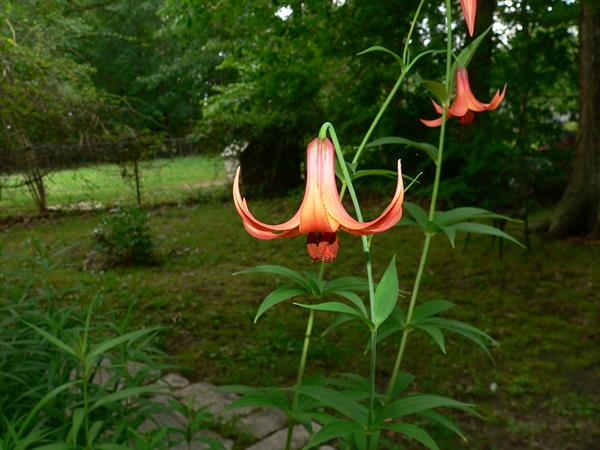
Lilium canadense Linnaeus. Common name: Canada Lily. Phenology: Jun-Jul; late Jul-Sep. Habitat: Wet meadows, clearings, coves, seepages. Distribution: NB west to s. ON, south to NC, SC, GA, AL, and MS.
Origin/Endemic status: Native
Taxonomy Comments: Skinner in FNA (2002) summarized efforts to separate two taxa at varietal or subspecific rank (see synonymy), based on flower color and leaf shape. The variation seems to defy taxonomic division. There has also been considerable confusion between L. canadense var. editorum (the red-flowered form) and L. grayi, with populations in sw. VA showing some intergradation between the two; these are best treated as L. ×pseudograyi Grove.
Synonymy ⓘ: = C, Can, FNA26, G, GW1, K4, NE, NS, NY, POWO, RAB, S, S13, Tat, Tn, Va; > Lilium canadense L. ssp. canadense — Pa, W, Adams & Dress (1982); > Lilium canadense L. ssp. editorum (Fernald) Wherry — Pa, W, Adams & Dress (1982), Wherry (1946); > Lilium canadense L. ssp. typicum — Wherry (1946); > Lilium canadense L. var. canadense — F, WV; > Lilium canadense L. var. editorum Fernald — F, WV. Basionym: Lilium canadense L. 1753
Links to other floras: = Lilium canadense - FNA26
Show parent genus | Show parent in key(s)
Wetland Indicator Status:
- Atlantic and Gulf Coastal Plain: FAC
- Eastern Mountains and Piedmont: FAC
- Midwest: FAC
- Northcentral & Northeast: FAC
Heliophily ⓘ: 7
Hover over a shape, letter, icon, or arrow on the map for definition or see the legend.
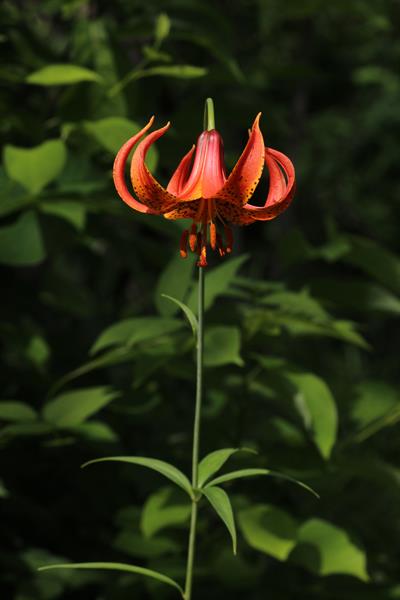
© Scott Ward | Original Image ⭷
© Eric M Powell, some rights reserved (CC BY-NC), uploaded by Eric M Powell source CC-BY-NC, permission granted to NCBG | Original Image ⭷
© Alan M. Cressler | Original Image ⭷
© Richard & Teresa Ware CC-BY-NC, permission granted to NCBG | Original Image ⭷
© Nate Hartley, some rights reserved (CC BY-NC), uploaded by Nate Hartley source CC-BY-NC, permission granted to NCBG | Original Image ⭷
© Chase Mathey, some rights reserved (CC BY-NC), uploaded by Chase Mathey source CC-BY-NC, permission granted to NCBG | Original Image ⭷
© Eric M Powell, some rights reserved (CC BY-NC), uploaded by Eric M Powell source CC-BY-NC, permission granted to NCBG | Original Image ⭷
© Richard & Teresa Ware CC-BY-NC, permission granted to NCBG | Original Image ⭷
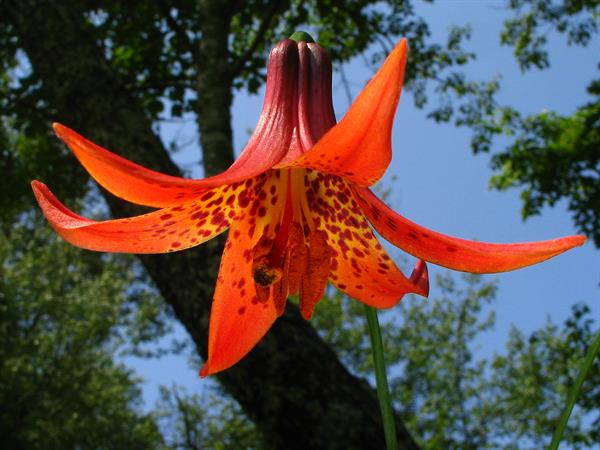
© Steven Daniel, all rights reserved, uploaded by Steven Daniel source | Original Image ⭷
© Chase Mathey, some rights reserved (CC BY-NC), uploaded by Chase Mathey source CC-BY-NC, permission granted to NCBG | Original Image ⭷
© Andrew Lane Gibson, some rights reserved (CC BY-NC), uploaded by Andrew Lane Gibson source CC-BY-NC, permission granted to NCBG | Original Image ⭷
© Steven Daniel, all rights reserved, uploaded by Steven Daniel source | Original Image ⭷
© Alan M. Cressler | Original Image ⭷
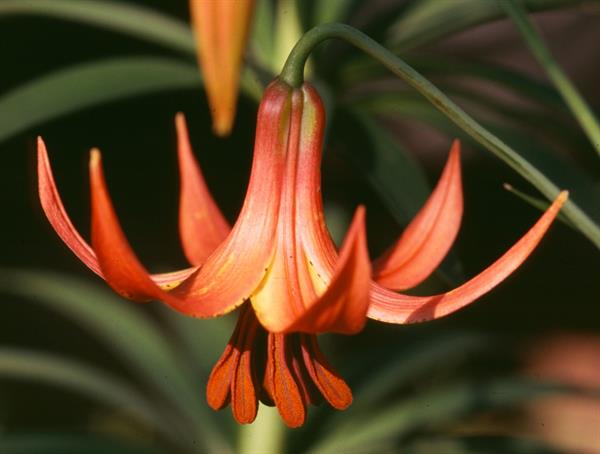
© Chase Mathey, some rights reserved (CC BY-NC), uploaded by Chase Mathey source CC-BY-NC, permission granted to NCBG | Original Image ⭷
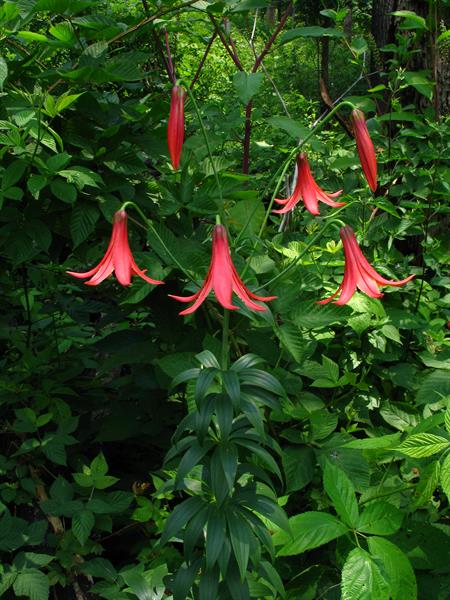
© Eric M Powell, some rights reserved (CC BY-NC), uploaded by Eric M Powell source CC-BY-NC, permission granted to NCBG | Original Image ⭷
© Shaun Pogacnik, some rights reserved (CC BY-NC), uploaded by Shaun Pogacnik source CC-BY-NC, permission granted to NCBG | Original Image ⭷
© Steven Daniel, all rights reserved, uploaded by Steven Daniel source | Original Image ⭷
© Richard & Teresa Ware CC-BY-NC, permission granted to NCBG | Original Image ⭷Feedback
See something missing or incorrect about Lilium canadense? Let us know here:
- Please include your name and if possible, email in case when need to clarify what you wrote.
- If you opt out of including email, please be as specific as possible (e.g., which photo is incorrect?)
- Please do not submit questions asking to identify plants or about horticultural topics (e.g., how do I control an invasive plant in my garden?). Instead, those questions can be submitted here for the Carolinas region only.
- Please do not send us feedback about unkeyed species as this work is ongoing.
- Please allow time for flora edits to show in our next data release. We greatly appreciate your feedback but may require extra time to research complicated taxonomic issues.
Horticultural Information
Intro: Erect perennial from a bulb, found in wet meadows, clearings, coves and seepages.
Stems: Stems unbranched, smooth.
Leaves: Leaves in 6-11 whorls of 4-15 leaves each (a few alternate leaves may be present), linear-elliptic to lance-shaped, sessile, 3-7 in. long, rough with minute spines on margins and the veins beneath.
Inforescence:
Flowers: Flowers 5 or more, nodding on long stalks branching from top of stem; yellow to orange-red with purple-brown spots within; trumpet shaped and consisting of 6 recurved tepals, 6 stamens with red anthers and a central pistil.
Fruits: Fruit an erect, oval, 3-celled capsule.
Comments:
Height: 2-6 ft.
plant sale text:
bloom table text:
description: Erect perennial from a bulb, found in wet meadows, clearings, coves and seepages.
stems: Stems unbranched, smooth.
leaves: Leaves in 6-11 whorls of 4-15 leaves each (a few alternate leaves may be present), linear-elliptic to lance-shaped, sessile, 3-7 in. long, rough with minute spines on margins and the veins beneath.
inflorescence:
flowers: Flowers 5 or more, nodding on long stalks branching from top of stem; yellow to orange-red with purple-brown spots within; trumpet shaped and consisting of 6 recurved tepals, 6 stamens with red anthers and a central pistil.
fruits: Fruit an erect, oval, 3-celled capsule.
comments:
cultural notes:
germination code:
native range: eastern North America
0 unsaved edits on this page.