 Spiranthes lacera (Rafinesque) Rafinesque var. gracilis (Bigelow) Luer. Southern Slender Ladies'-tresses. Phen: Aug-Sep. Hab: Fields, meadows, pastures, woodlands. Dist: ME, MI, WI, and KS south to GA and TX.
Origin/Endemic status: Native
Synonymy: = Ar, C, ETx1, FNA26, K1, K3, K4, Mi, NcTx, NE, NY, Pa, Tn, Va, W, Luer (1975); = Gyrostachys gracilis (Bigelow) Kuntze; = Ibidium beckii (Lindl.) House; = Spiranthes gracilis (Bigelow) Beck – F, Il, WV; = Spiranthes gracilis (Bigelow) Beck var. gracilis – GW1, Tx, Correll (1950); < Ibidium gracile (Bigelow) House – S, S13; < Spiranthes gracilis (Bigelow) Beck – G, Tat; < Spiranthes gracilis (Bigelow) Beck var. gracilis – RAB; < Spiranthes lacera (Raf.) Raf. – Mo1
Wetland Indicator Status:
- Atlantic and Gulf Coastal Plain: FAC (taxonomic split from wetland indicator species)
- Eastern Mountains and Piedmont: FACU (taxonomic split from wetland indicator species)
- Great Plains: FAC (taxonomic split from wetland indicator species)
- Midwest: FAC (taxonomic split from wetland indicator species)
- Northcentral & Northeast: FAC (taxonomic split from wetland indicator species)
Heliophily: 7
Hover over a shape, letter, icon, or arrow on the map for definition or see the legend.
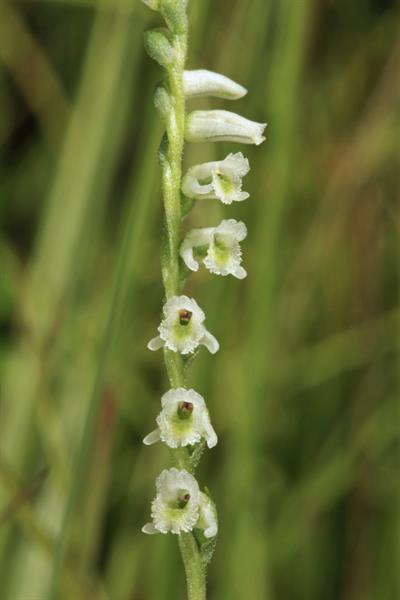 © Alan M. Cressler | Original Image ⭷
 © Gary P. Fleming | Original Image ⭷
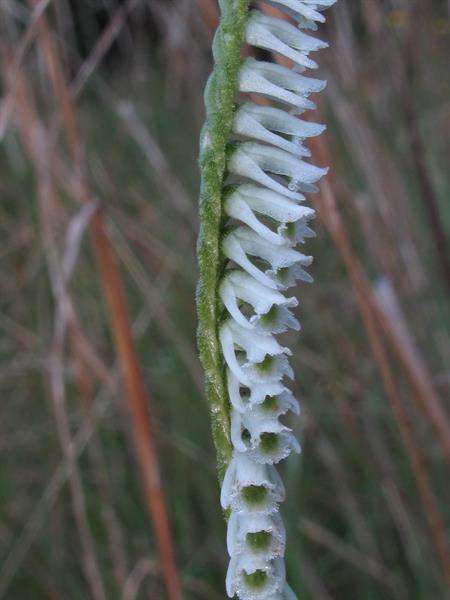 © Alan Cressler: Spiranthes lacera var. gracilis, Lookout Mountain, Walker County, Georgia 2 by Alan Cressler source | Original Image ⭷
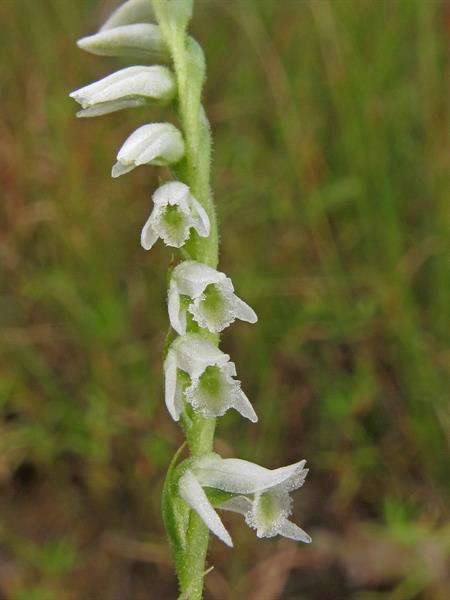 © Alan Cressler: Spiranthes lacera var. gracilis, Lookout Mountain, Walker County, Georgia 2 by Alan Cressler source | Original Image ⭷
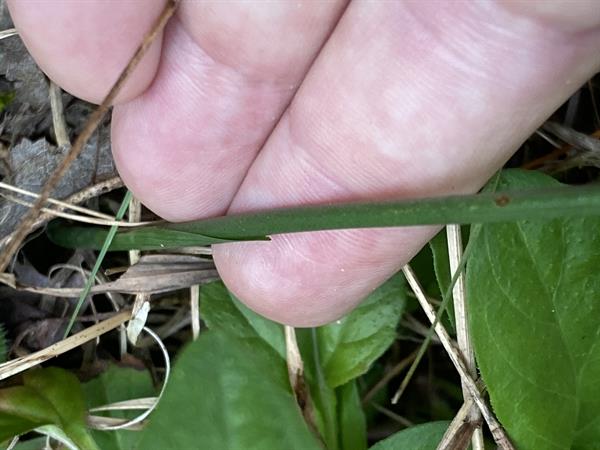 © Alan Weakley source | Original Image ⭷
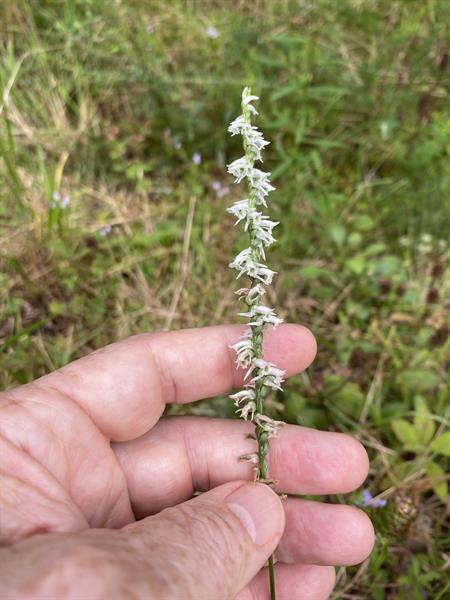 © Alan Weakley source | Original Image ⭷
Feedback
See something wrong or missing on about Spiranthes lacera var. gracilis? Let us know here: (Please include your name and email if at all complicated so we can clarify if needed.)
Cite as...