Copy permalink to share

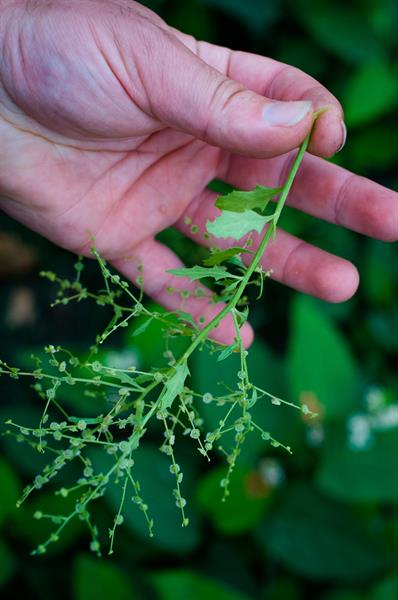
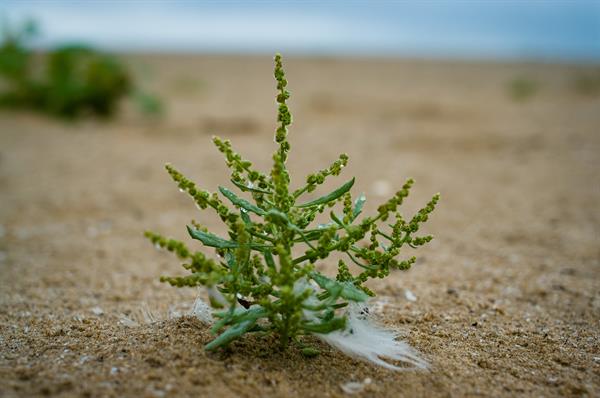
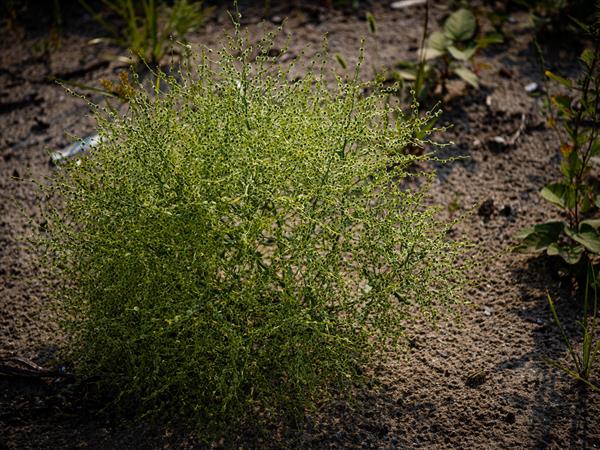
Dysphania atriplicifolia (Sprengel) G. Kadereit, Sukhorukov, & Uotila. Common name: Winged-pigweed, Tumble Ringwing. Phenology: May-Nov. Habitat: River-banks, sandy fields, railroad banks, maritime dunes. Distribution: Native of c. and w. North America, including n. Mexico (CHH), adventive in the eastern part of our area.

Origin/Endemic status: Native

Taxonomy Comments: This species was formerly placed in the monotypic genus Cycloloma, but Uotila et al. (2021) showed convincingly its inclusion in Dysphania.

Synonymy : = Uotila et al (2021); = Cycloloma atriplicifolium (Spreng.) J.M.Coult. — C, F, FNA4, G, GrPl, GW2, Il, K4, Mex, Mi, NcTx, NE, NY, Ok, Pa, RAB, S, S13, Va, WV; = n/a — Tat. Basionym: Salsola atriplicifolia Spreng. 1801

Links to other floras: = Cycloloma atriplicifolium - FNA4

Show in key(s)

Show parent genus | Show parent in key(s)

Wetland Indicator Status:

  • Atlantic and Gulf Coastal Plain: FACU (name change)
  • Eastern Mountains and Piedmont: FACU (name change)
  • Great Plains: FACU (name change)
  • Midwest: FACU (name change)
  • Northcentral & Northeast: FACU (name change)

Heliophily : 9

Your browser does not support SVGs

Hover over a shape, letter, icon, or arrow on the map for definition or see the legend.
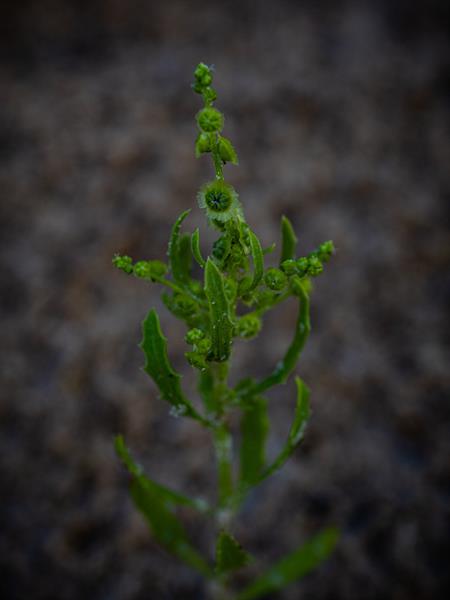
image of plant© Matt Berger, some rights reserved (CC BY), uploaded by Matt Berger source CC-BY | Original Image ⭷
image of plant© Steven Daniel, all rights reserved, uploaded by Steven Daniel source | Original Image ⭷
image of plantno rights reserved, uploaded by Mara McHaffie source CC0 | Original Image ⭷
image of plant© Sequoia Janirella Wrens, some rights reserved (CC BY-NC), uploaded by Sequoia Janirella Wrens source CC-BY-NC, permission granted to NCBG | Original Image ⭷
image of plant© Matt Berger, some rights reserved (CC BY), uploaded by Matt Berger source CC-BY | Original Image ⭷
image of plantno rights reserved, uploaded by Mara McHaffie source CC0 | Original Image ⭷
image of plant© Nathan Aaron, some rights reserved (CC BY), uploaded by Nathan Aaron source CC-BY | Original Image ⭷
image of plant© Erik Danielson source | Original Image ⭷
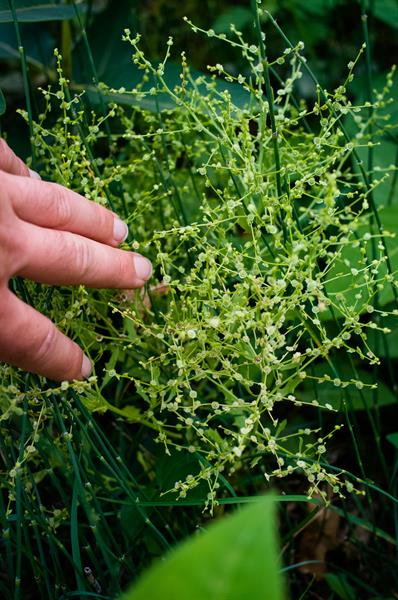
image of plant© Eric Knight, some rights reserved (CC BY), uploaded by Eric Knight source CC-BY | Original Image ⭷
image of plant© Shaun Pogacnik, some rights reserved (CC BY-NC), uploaded by Shaun Pogacnik source CC-BY-NC, permission granted to NCBG | Original Image ⭷
image of plant© abelkinser, some rights reserved (CC BY-NC) source CC-BY-NC, permission granted to NCBG | Original Image ⭷
image of plant© Tara Rose Littlefield, some rights reserved (CC BY-NC), uploaded by Tara Rose Littlefield source CC-BY-NC, permission granted to NCBG | Original Image ⭷

Feedback

See something missing or incorrect about Dysphania atriplicifolia? Let us know here:

  1. Please include your name and if possible, email in case when need to clarify what you wrote.
  2. If you opt out of including email, please be as specific as possible (e.g., which photo is incorrect?)
  3. Please do not submit questions asking to identify plants or about horticultural topics (e.g., how do I control an invasive plant in my garden?). Instead, those questions can be submitted here for the Carolinas region only.
  4. Please do not send us feedback about unkeyed species as this work is ongoing.
  5. Please allow time for flora edits to show in our next data release. We greatly appreciate your feedback but may require extra time to research complicated taxonomic issues.

Horticultural Information

No horticultural data found for this taxon.