 Thyrsanthella difformis (Walter) Pichon. Climbing Dogbane. Phen: May-Jul; Jul-Sep. Hab: Dry-mesic to mesic upland forests and woodlands, bottomland and riparian forests, moist prairies, flatwoods, swamps, marshes, old fields, roadsides. Dist: DE south to n. peninsular FL, west to e. TX, north in the interior to MO and IN.
ID notes:Very variable in leaf size, with leaves up to 14 cm long and 8 cm wide, but usually much smaller and proportionally narrow than that. The leaves are often about the size and shape of Gelsemium leaves; fresh material is easily distinguished by the milky sap of Thyrsanthella.
Origin/Endemic status: Endemic
Taxonomy Comments: See Krings (2003) for a discussion of nomenclature.
Synonymy: = Fl5, FNA14, K4, Ok, WH3, Livshultz et al (2007); = Echites difformis Walter; = Forsteronia difformis (Walter) DC.; = Trachelospermum difforme (Walter) A.Gray – Ar, C, F, G, GW2, Il, K1, K2, Mo2, RAB, S, Tat, Tn, Tx, Va
Wetland Indicator Status:
- Atlantic and Gulf Coastal Plain: FACW
- Eastern Mountains and Piedmont: FACW
- Great Plains: FACW
- Midwest: FACW
Heliophily: 5
Hover over a shape, letter, icon, or arrow on the map for definition or see the legend.
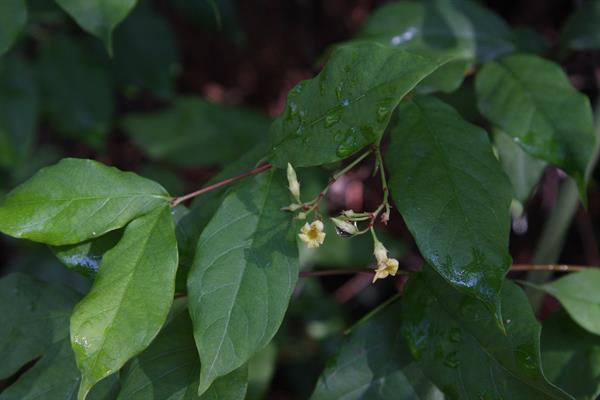 © Bruce A. Sorrie | Original Image ⭷
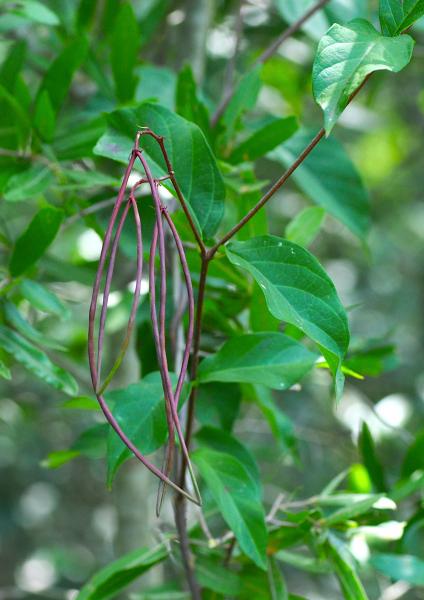 © Sonnia Hill | Original Image ⭷
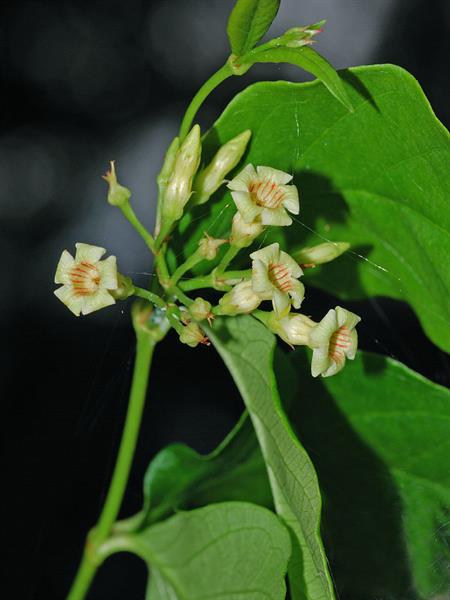 © Gary P. Fleming | Original Image ⭷
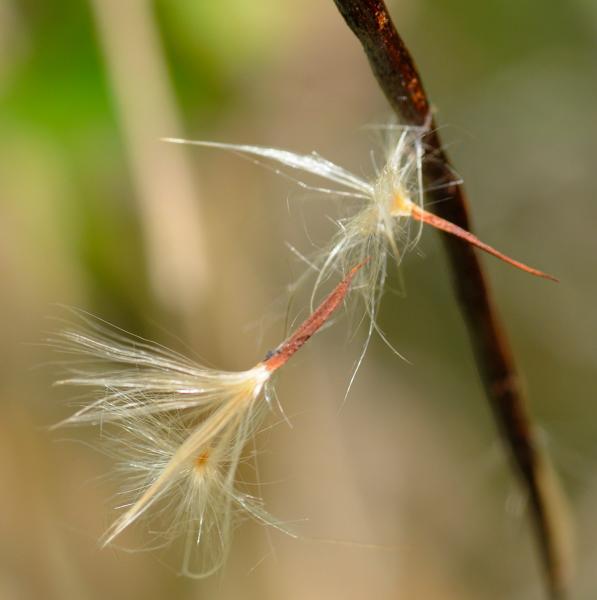 © Sonnia Hill | Original Image ⭷
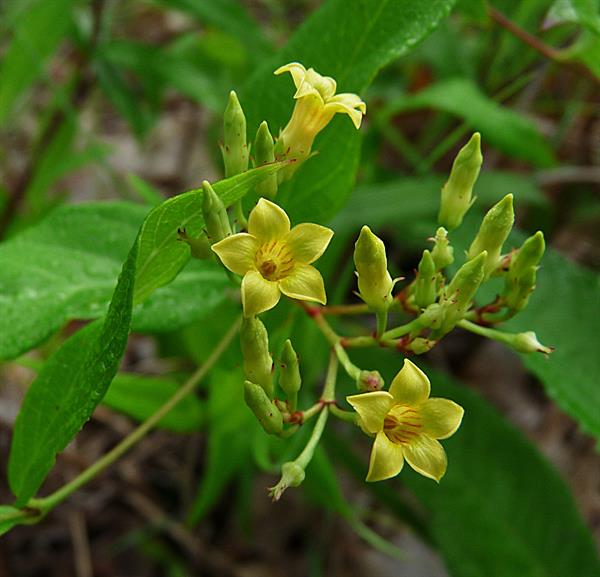 © Richard & Teresa Ware CC-BY-NC, permission granted to NCBG | Original Image ⭷
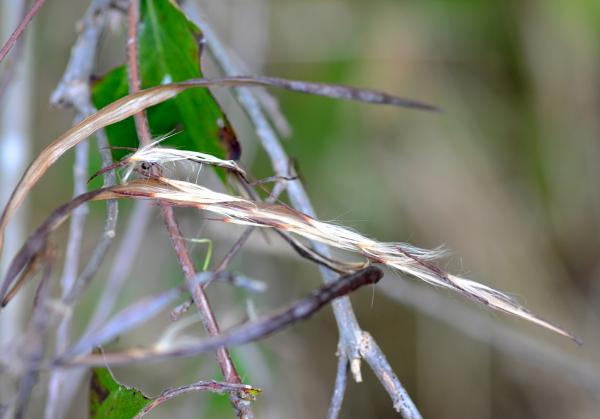 © Sonnia Hill | Original Image ⭷
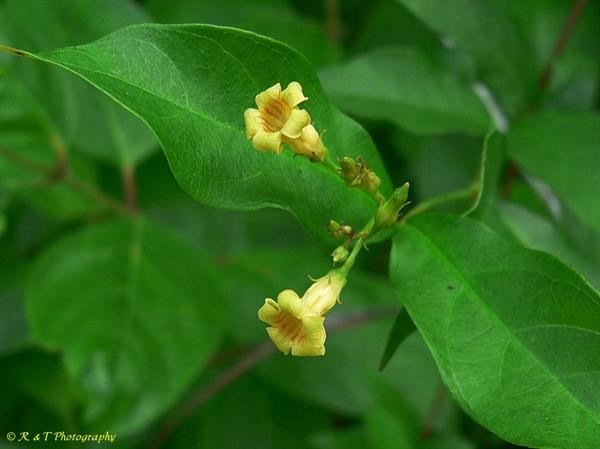 © Richard & Teresa Ware CC-BY-NC, permission granted to NCBG | Original Image ⭷
Feedback
See something wrong or missing on about Thyrsanthella difformis? Let us know here: (Please include your name and email if at all complicated so we can clarify if needed.)
Cite as...