 Aesculus Linnaeus. Buckeye.
A genus of about 13 species, trees and shrubs, of temperate e. North America, w. North America, e. Asia, and se. Europe. Sectional classification shown in the key follows Du, Harris, & Xiang (2020).
Key advice:The following hybrids are known from our area and can be locally common: Aesculus ×neglecta Lindley [A. flava × sylvatica], Aesculus ×mutabilis (Spach) Scheele [A. pavia × sylvatica], and Aesculus ×bushii Schneider [A. glabra × pavia]. They can be recognized by their intermediate morphology.
Ref: Du, Harris, & Xiang (2020); Hardin (1957a); Hardin (1957b); Harris, Xiang, & Thomas (2009); Wyatt & Lodwick (1981). Show full citations.
Hover over a shape, letter, icon, or arrow on the map for definition or see the legend. Data for arrows not developed for genera and families which may have species only occurring outside the flora area.
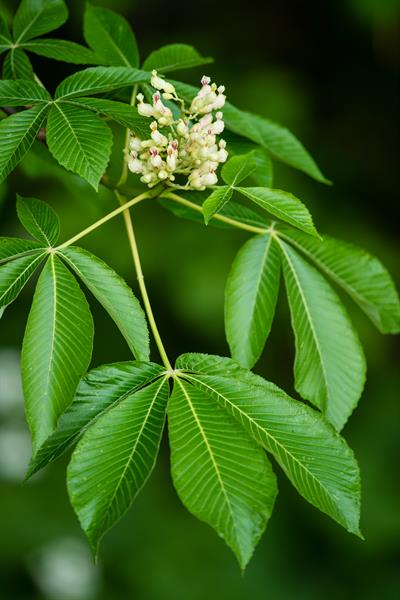 © Keith Bradley | Aesculus flava | Original Image ⭷
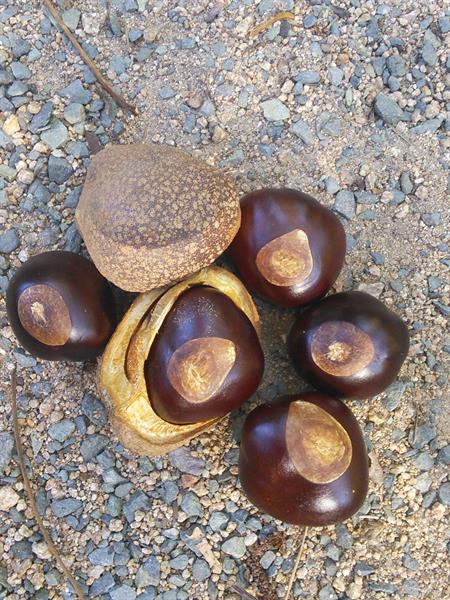 © Grant Morrow Parkins | Aesculus flava | Original Image ⭷
 © Grant Morrow Parkins | Aesculus parviflora | Original Image ⭷
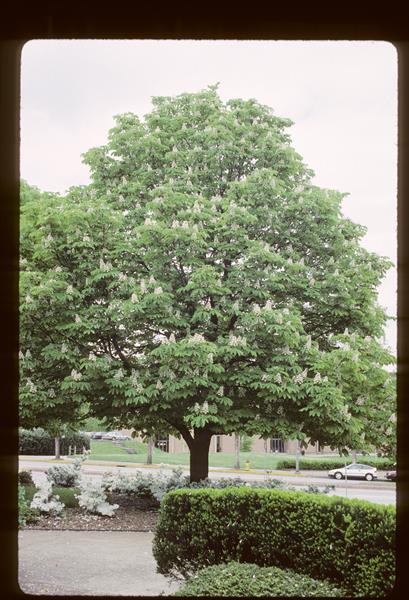 © J.W. Hardin | Aesculus hippocastanum | Original Image ⭷
 © Sonnia Hill | Aesculus glabra var. arguta | Original Image ⭷
Feedback
See something wrong or missing on about Aesculus? Let us know here: (Please include your name and email if at all complicated so we can clarify if needed.)
Cite as...