 *Bassia Allioni. Bassia.
A genus of about 21 species, herbs and dwarf shrubs, of Europe, Asia, Africa, and North America. All or part (the annuals) of Kochia are now sometimes merged into Bassia (Kadereit & Freitag 2011; Judd & Ferguson 1999).
Ref: Blackwell, Baechle, & Williamson (1978); Collins & Blackwell (1979); Judd & Ferguson (1999); Kadereit & Freitag (2011); Kühn In Kubitzki, Rohwer, & Bittrich (1993); Mosyakin (2003c) In Flora of North America Editorial Committee (2003b); Mosyakin (2003d) In Flora of North America Editorial Committee (2003b). Show full citations.
Hover over a shape, letter, icon, or arrow on the map for definition or see the legend. Data for arrows not developed for genera and families which may have species only occurring outside the flora area.
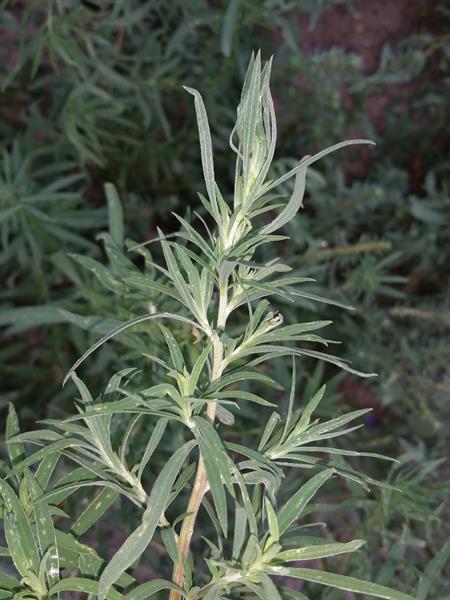 © Zihao Wang, some rights reserved (CC BY), uploaded by Zihao Wang | Bassia scoparia source | Original Image ⭷
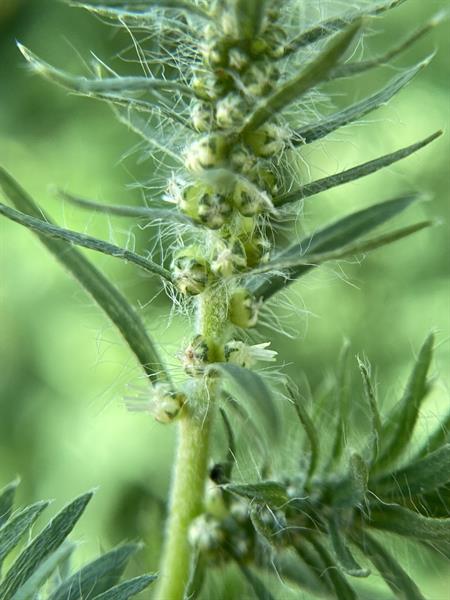 © Emily Summerbell, some rights reserved (CC BY), uploaded by Emily Summerbell | Bassia scoparia source | Original Image ⭷
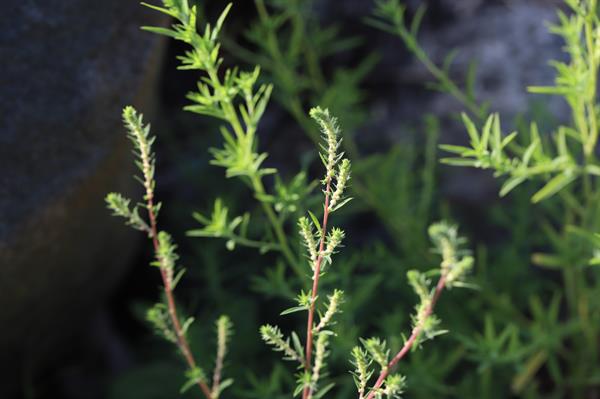 © Steven Bodzin, some rights reserved (CC BY), uploaded by Steven Bodzin | Bassia scoparia source | Original Image ⭷
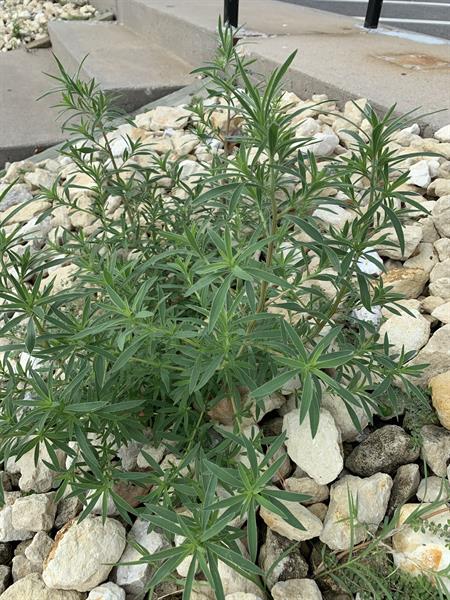 © CK Kelly, some rights reserved (CC BY), uploaded by CK Kelly | Bassia scoparia source | Original Image ⭷
Feedback
See something wrong or missing on about Bassia? Let us know here: (Please include your name and email if at all complicated so we can clarify if needed.)
Cite as...