 Corema D. Don.
A genus of 2 species, shrubs, one of ne. North America and one of Spain and the Azores. Li et al. (2002) showed complicated relationships between Ceratiola and the two species of Corema, suggesting the possibility that Corema conradii may have an origin as a hybrid between ancestors of Ceratiola ericoides and Corema album (of Spain and the Azores).
Ref: Elisens (2009b) In Flora of North America Editorial Committee (2009); Li et al. (2002b); Stevens et al. In Kubitzki et al. (2004). Show full citations.
Hover over a shape, letter, icon, or arrow on the map for definition or see the legend. Data for arrows not developed for genera and families which may have species only occurring outside the flora area.
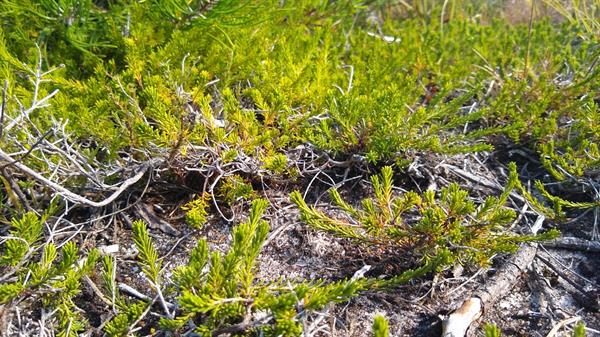 © Scarlett S., some rights reserved (CC BY), uploaded by Scarlett S. | Corema conradii source | Original Image ⭷
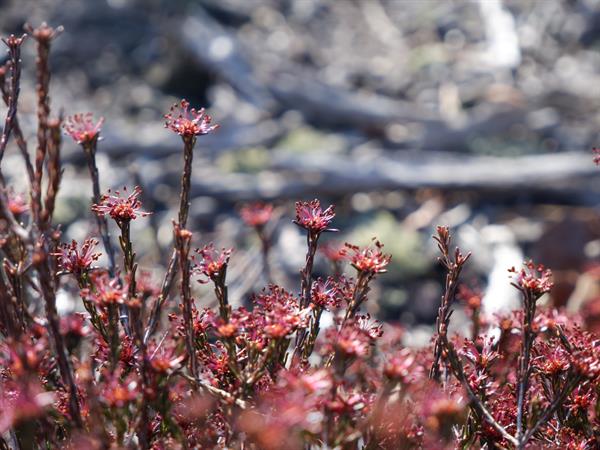 © Bonnie Semmling, some rights reserved (CC BY), uploaded by Bonnie Semmling | Corema conradii source | Original Image ⭷
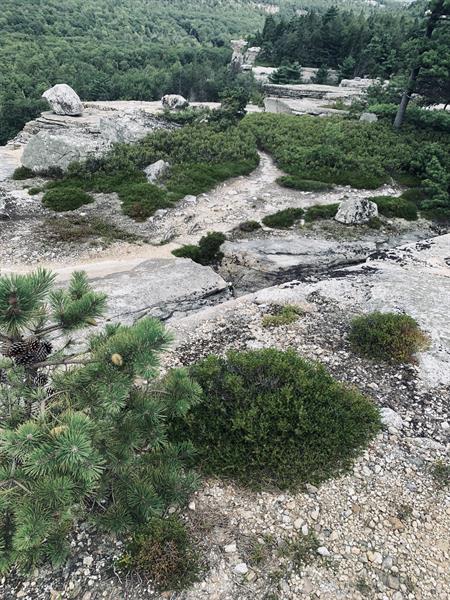 © Elizabeth Axley, some rights reserved (CC BY), uploaded by Elizabeth Axley | Corema conradii source | Original Image ⭷
Feedback
See something wrong or missing on about Corema? Let us know here: (Please include your name and email if at all complicated so we can clarify if needed.)
Cite as...