 Ilex Linnaeus. Holly, Winterberry, Gallberry, Dahoon.
A genus of 400-500 species, mostly trees and shrubs, cosmopolitan and widespread in tropical and temperate areas, especially Asia and America. The genus Nemopanthus is deeply embedded in the phylogenetic tree of Ilex and is clearly best subsumed into it (Manen, Boulter, & Naciri-Graven 2002; Yao et al. 2021; Yang et al. 2023). Sectional classification follows Yang et al. (2023).
ID notes:Some of our species can be superficially similar to various shrubs and trees of the Rosaceae, in their deciduous, alternate, toothed leaves borne on spur shoots.
Ref: Clark (2023); Godfrey (1988); Krakow (1989); Manen, Boulter, & Naciri-Graven (2002); Powell et al. (2000); Whittemore [in prep.]; Wunderlin & Poppleton (1977); Yang et al. (2023c); Yao et al. (2021). Show full citations.
Hover over a shape, letter, icon, or arrow on the map for definition or see the legend. Data for arrows not developed for genera and families which may have species only occurring outside the flora area.
 © Keith Bradley | Ilex opaca | Original Image ⭷
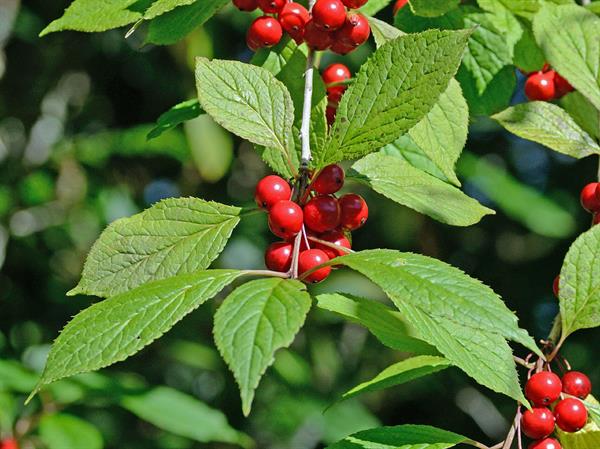 © Gary P. Fleming | Ilex collina | Original Image ⭷
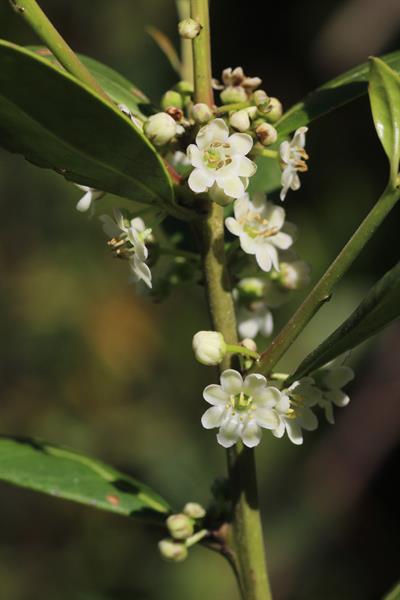 © Scott Ward | Ilex coriacea | Original Image ⭷
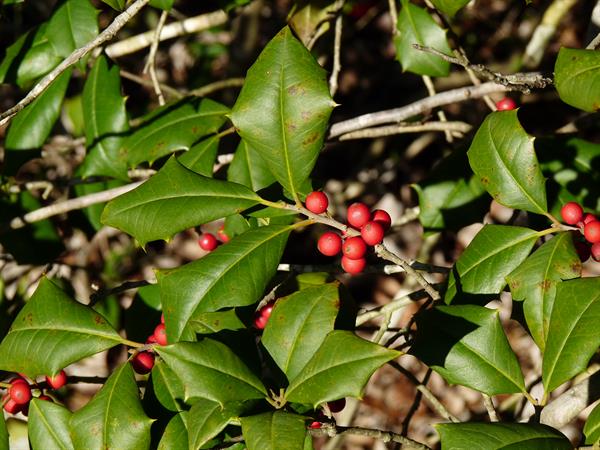 © Richard & Teresa Ware | Ilex opaca CC-BY-NC, permission granted to NCBG | Original Image ⭷
 © Erik Danielson | Ilex opaca source | Original Image ⭷
 © Keith Bradley | Ilex krugiana var. krugiana | Original Image ⭷
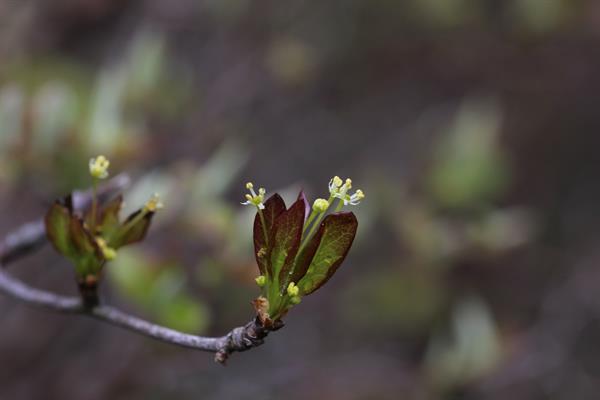 © Scott Ward | Ilex mucronata | Original Image ⭷
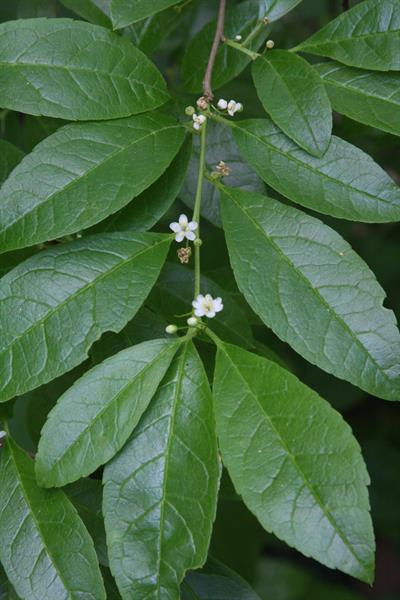 © Bruce A. Sorrie | Ilex laevigata | Original Image ⭷
 © Scott Ward | Ilex arenicola | Original Image ⭷
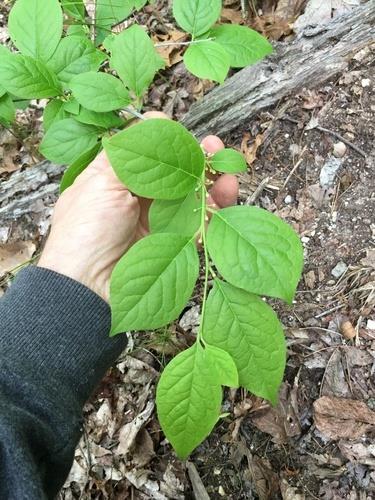 © Joey Shaw | Ilex decidua source | Original Image ⭷
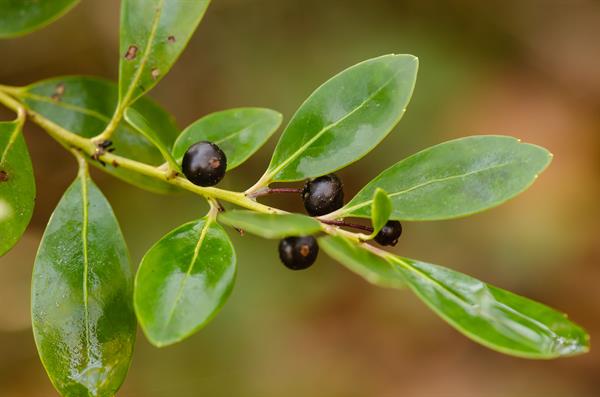 © Keith Bradley | Ilex glabra | Original Image ⭷
Feedback
See something wrong or missing on about Ilex? Let us know here: (Please include your name and email if at all complicated so we can clarify if needed.)
Cite as...