 *Ligustrum Linnaeus. Privet.
Contributed by Guy L. Nesom and Alan S. Weakley
A genus of about 40 species, shrubs and trees, of the Old World. Ligustrum is a monophyletic group phylogenetically embedded within Syringa (Li, Alexander, & Zhang 2002; Li et al. 2012; Dong et al. 2022). Li et al. (2012) recommended treating Ligustrum as series Ligustrae of Syringa, but species combinations have not been made. An alternative approach of segregating Syringa into monophyletic genera is also plausible.
Ref: Dong et al. (2022); Green in Kadereit (2004); Hardin (1974); Li et al. (2012); Li, Alexander, & Zhang (2002); Nesom (2009a). Show full citations.
Hover over a shape, letter, icon, or arrow on the map for definition or see the legend. Data for arrows not developed for genera and families which may have species only occurring outside the flora area.
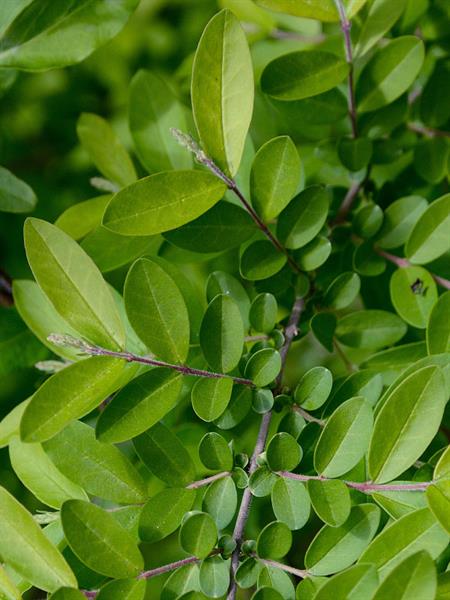 © Gary P. Fleming | Ligustrum obtusifolium var. obtusifolium | Original Image ⭷
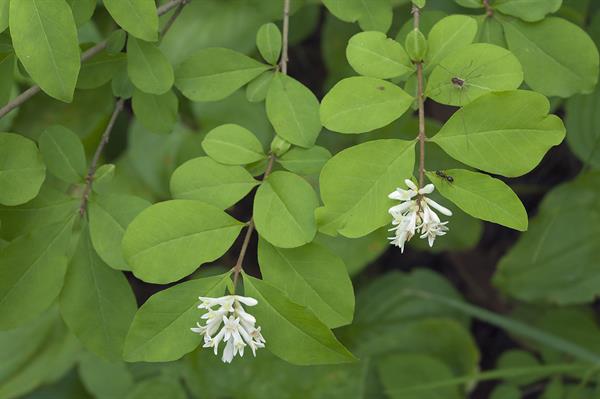 © Svetlana Nesterova, some rights reserved (CC BY-NC), uploaded by Svetlana Nesterova | Ligustrum tschonoskii source | Original Image ⭷
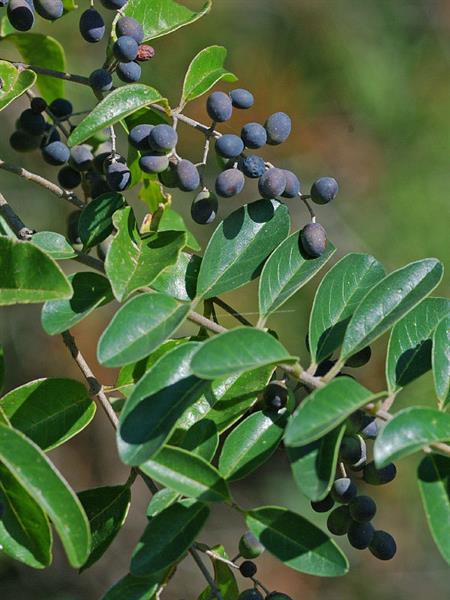 © Gary P. Fleming | Ligustrum sinense | Original Image ⭷
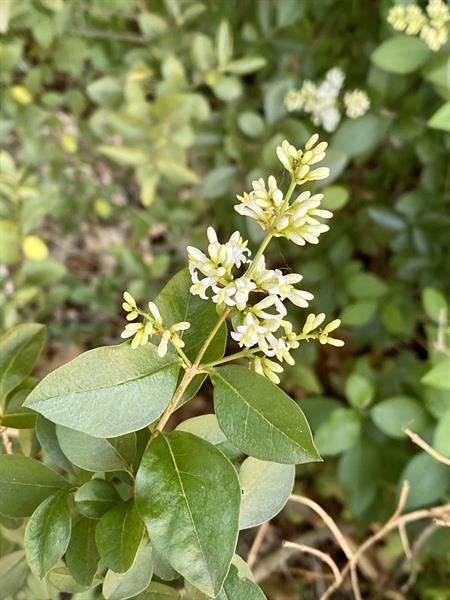 © Sandy Wolkenberg, some rights reserved (CC BY), uploaded by Sandy Wolkenberg | Ligustrum ovalifolium source | Original Image ⭷
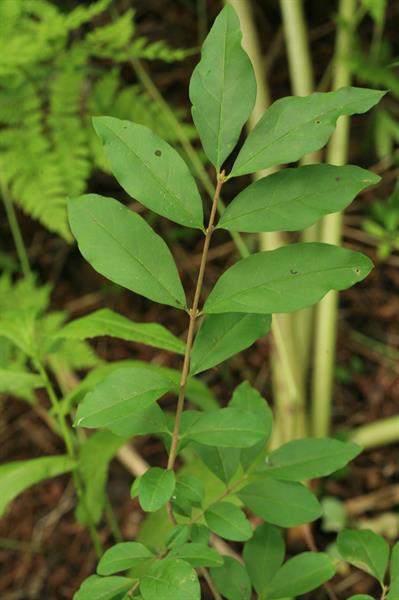 © Svetlana Nesterova, some rights reserved (CC BY-NC), uploaded by Svetlana Nesterova | Ligustrum tschonoskii source | Original Image ⭷
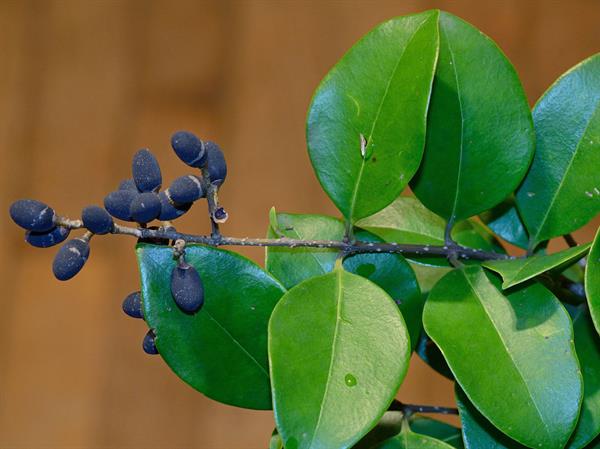 © Gary P. Fleming | Ligustrum japonicum | Original Image ⭷
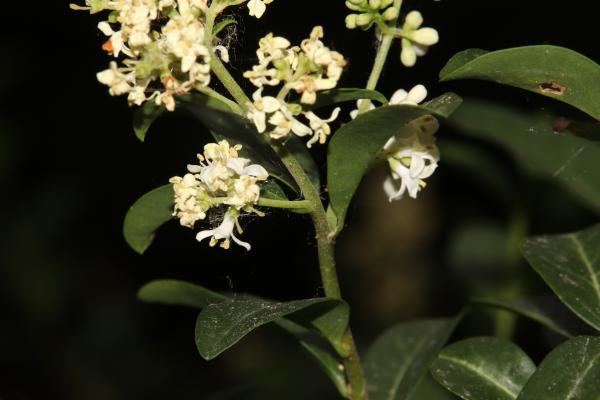 © Sequoia Janirella Wrens, some rights reserved (CC BY-NC), uploaded by Sequoia Janirella Wrens | Ligustrum vulgare source | Original Image ⭷
Feedback
See something wrong or missing on about Ligustrum? Let us know here: (Please include your name and email if at all complicated so we can clarify if needed.)
Cite as...