 *Phyllostachys Siebold & Zuccarini. Subfamily: Bambusoideae. Tribe: Arundinarieae. Subtribe: Arundinariinae. supertribe: Arundinarodae. clade: "BOP". Bamboo.
A genus of about 50 (or more) species, native of mainly temperate e. Asia.
ID notes:In addition to the species keyed below, a number of other species are sometimes cultivated in our area, and may be encountered. Bamboos are seriously under-represented in herbaria, since they rarely flower and are impractical to press. All of the species should be anticipated in other physiographic provinces and states than those listed.
Ref: Duncan & Duncan [in prep.]; Judziewicz et al. (2000); Stapleton & Barkworth (2007) In Flora of North America Editorial Committee (2007a). Show full citations.
Hover over a shape, letter, icon, or arrow on the map for definition or see the legend. Data for arrows not developed for genera and families which may have species only occurring outside the flora area.
 © Bruce A. Sorrie | Phyllostachys aurea | Original Image ⭷
 © A van den Beemt, some rights reserved (CC BY), uploaded by A van den Beemt | Phyllostachys aureosulcata source | Original Image ⭷ Warning: was NOT research grade.
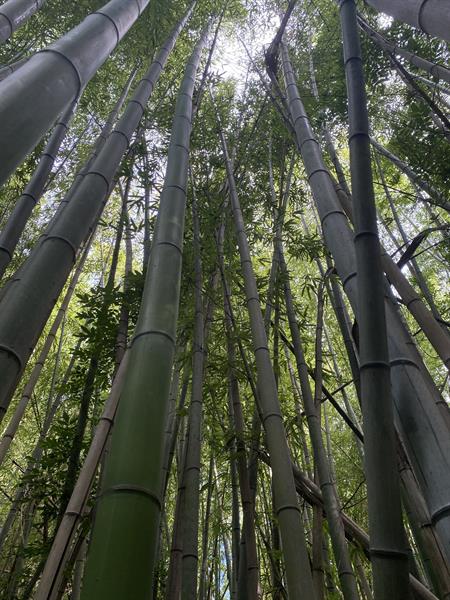 © Alan Weakley | Phyllostachys aurea source | Original Image ⭷
Feedback
See something wrong or missing on about Phyllostachys? Let us know here: (Please include your name and email if at all complicated so we can clarify if needed.)
Cite as...