 Plantago Linnaeus. Plantain.
A genus of about 270 species, herbs and rarely shrubs, of cosmopolitan distribution. Harper (1944) discusses at length the interesting issue of the native distributions of the many weedy species of Plantago. The native or introduced status of many of our species is uncertain or controversial.
Ref: Bassett (1966); Bassett (1967); Hassemer et al. (2019); Rosatti (1984); Schwarzbach In Kadereit (2004); Shipunov (2019b) In Flora of North America Editorial Committee (2019). Show full citations.
Hover over a shape, letter, icon, or arrow on the map for definition or see the legend. Data for arrows not developed for genera and families which may have species only occurring outside the flora area.
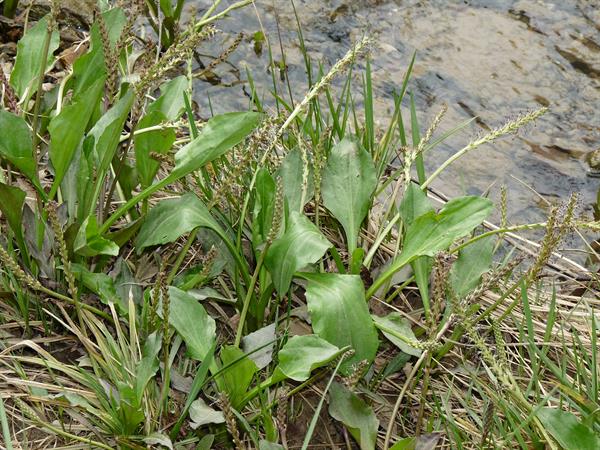 © Richard & Teresa Ware | Plantago cordata CC-BY-NC, permission granted to NCBG | Original Image ⭷
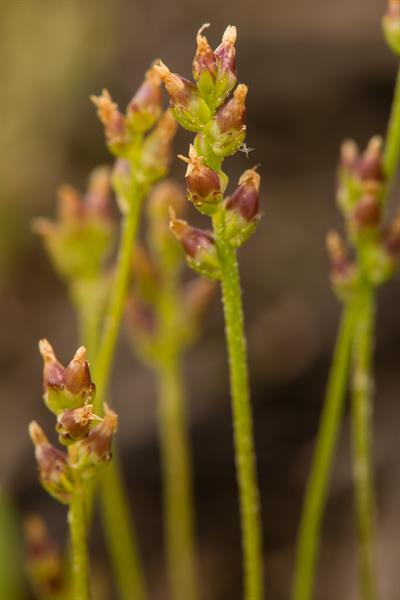 © Keith Bradley | Plantago heterophylla | Original Image ⭷
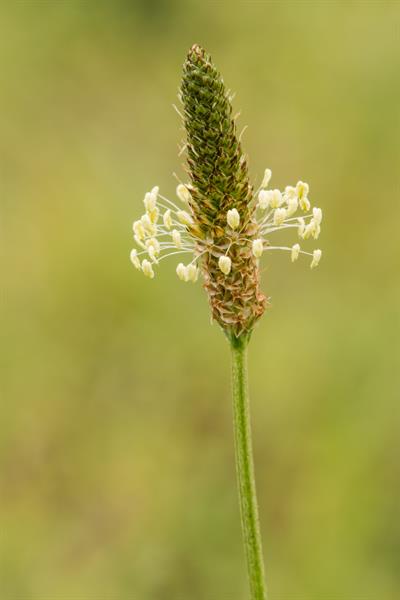 © Keith Bradley | Plantago lanceolata | Original Image ⭷
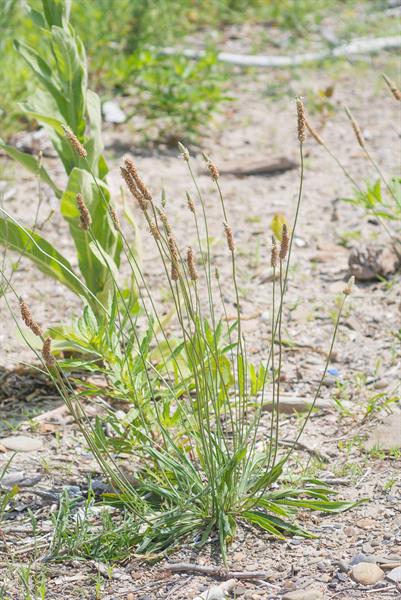 © Erik Danielson | Plantago lanceolata source | Original Image ⭷
 © Gary P. Fleming | Plantago aristata | Original Image ⭷
 © Erik Danielson | Plantago aristata source | Original Image ⭷
 © Erik Danielson | Plantago aristata source | Original Image ⭷
 © Gary P. Fleming | Plantago aristata | Original Image ⭷
 © Bruce A. Sorrie | Plantago lanceolata | Original Image ⭷
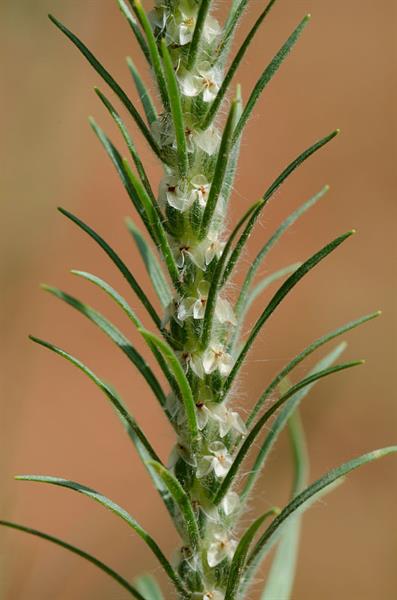 © Gary P. Fleming | Plantago aristata | Original Image ⭷
 © Aidan Campos | Plantago aristata source | Original Image ⭷
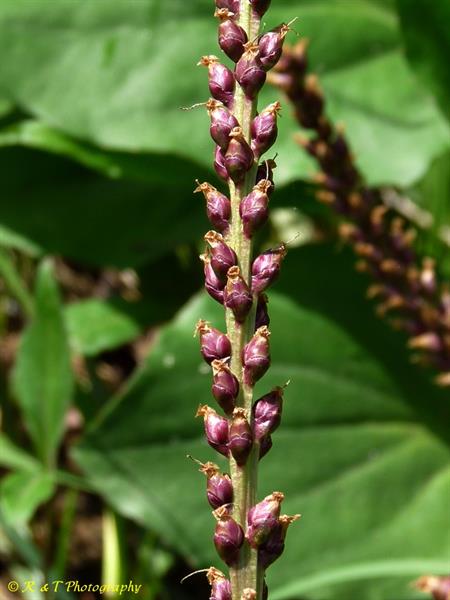 © Richard & Teresa Ware | Plantago cordata CC-BY-NC, permission granted to NCBG | Original Image ⭷
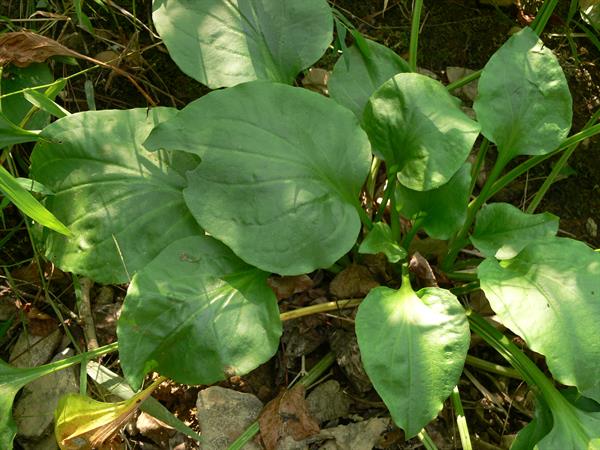 © Bruce A. Sorrie | Plantago cordata | Original Image ⭷
 © Richard & Teresa Ware | Plantago lanceolata CC-BY-NC, permission granted to NCBG | Original Image ⭷
Feedback
See something wrong or missing on about Plantago? Let us know here: (Please include your name and email if at all complicated so we can clarify if needed.)
Cite as...