 Pteris Linnaeus. Brake.
A genus of about 250 species, warm temperate and tropical, as broadly circumscribed by Zhang et al. (2015). Infrageneric taxonomy (subgenera and sections) follow Zhang & Zhang (2018).
ID notes:Pteris is a diverse genus, making it difficult to characterize. Most of the Pteris in our region (excepting Pteris tripartita and Pteris plumula of Florida) are small to medium ferns of rock outcrops or the faux rock of walls, with 1-2-pinnate leaves.
Ref: Liao, Ding, Wu, Prado, & Gilbert in FoC (2013); Nauman (1993b) In Flora of North America Editorial Committee (1993b); Picard et al. (2021); Tryon, Tryon, & Kramer In Kramer & Green (1990); Wyatt (2020); Zhang & Zhang (2018); Zhang et al. (2015). Show full citations.
Hover over a shape, letter, icon, or arrow on the map for definition or see the legend. Data for arrows not developed for genera and families which may have species only occurring outside the flora area.
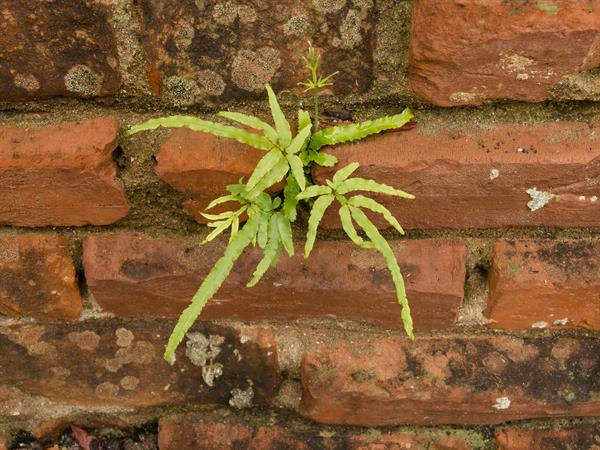 © Keith Bradley | Pteris multifida | Original Image ⭷
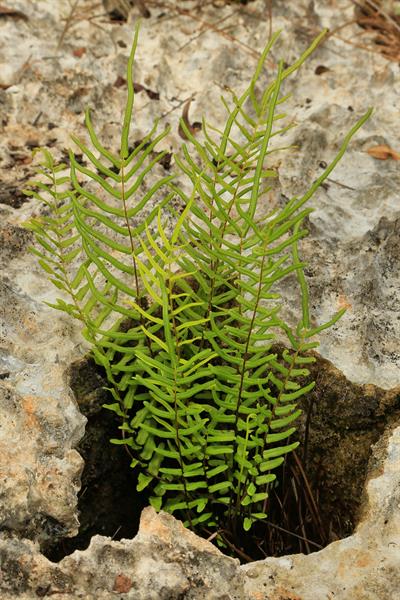 © Alan M. Cressler | Pteris bahamensis | Original Image ⭷
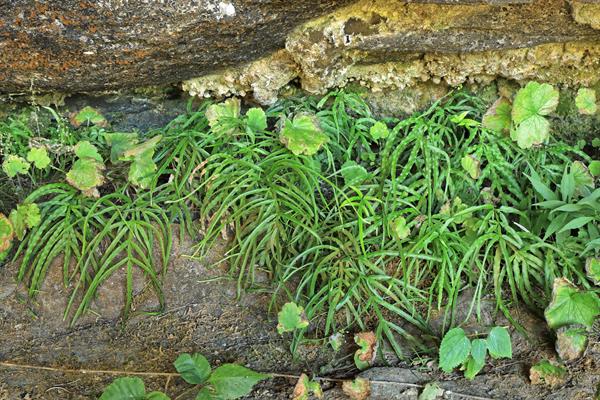 © Alan M. Cressler | Pteris multifida | Original Image ⭷
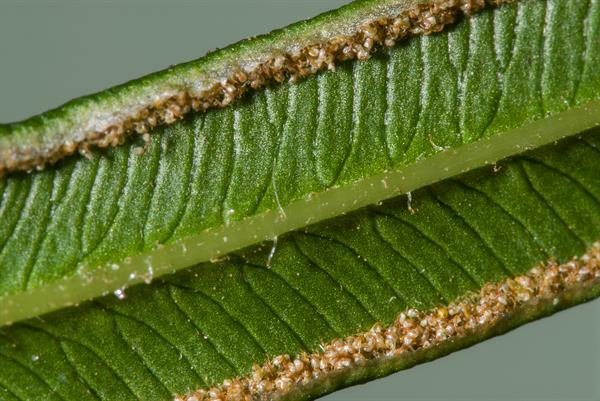 © Keith Bradley | Pteris vittata | Original Image ⭷
Feedback
See something wrong or missing on about Pteris? Let us know here: (Please include your name and email if at all complicated so we can clarify if needed.)
Cite as...