 Sarracenia Linnaeus. Pitcherplant.
A genus of about 10-13 species, perennial insectivorous herbs, of e. North America (all but a single species endemic to the unglaciated Southeastern United States). The sections that have sometimes been recognized do not accord with recent findings about clades and relationships within Sarracenia, so are not recognized here. The status of Sarracenia as a genus with intense horticultural interest is responsible for both conservation challenges and opportunities facing taxa in the genus. Interest in pitcher color forms by collectors and growers is also responsible for the naming of many taxa at variety rank that are merely coloration forms that do not warrant taxonomic status above the rank of forma, and they are not recognized here (see McPherson & Schnell 2011, Ellison et al. 2014, and other references, for discussion).
ID notes:Hybrids between the various species of pitcherplants are relatively frequent; see Bell (1952), Bell & Case (1956), Mellichamp (2008), Mellichamp in FNA (2009), McPherson & Schnell (2011), and Trexler (2023) for further discussion. They are usually rather easy to determine in geographic context, since they show intermediacy in characters, and usually are found in close proximity to both parents. Nearly all possible natural hybrid permutations (as determined by geographic and site co-occurrence) are known from the wild, and most or all additional hybrids (of non-co-occurring parent species) have been made in cultivation.
Ref: Bell (1949); Bell (1952); Bell & Case (1956); Carstens & Satler (2013); Case & Case (1976); Catalani (2004); Cheek (1994); Cheek (2001); Ellison et al. (2014); Godt & Hamrick (1999); McDaniel (1971); McPherson (2006); McPherson (2007); McPherson & Schnell (2011); Mellichamp (2008); Mellichamp & Case (2009) In Flora of North America Editorial Committee (2009); Naczi et al. (1999); Neyland & Merchant (2006); Reveal (1993b); Rice (2018); Romanowski (2002); Schnell (1979); Schnell (1981); Schnell (1993); Schnell (1998); Schnell (2002a); Schnell (2002b); Schnell & Determann (1997); Stephens et al. (2015); Trexler (2023); Wood (1960). Show full citations.
Hover over a shape, letter, icon, or arrow on the map for definition or see the legend. Data for arrows not developed for genera and families which may have species only occurring outside the flora area.
 © Scott Ward | Sarracenia minor var. minor | Original Image ⭷
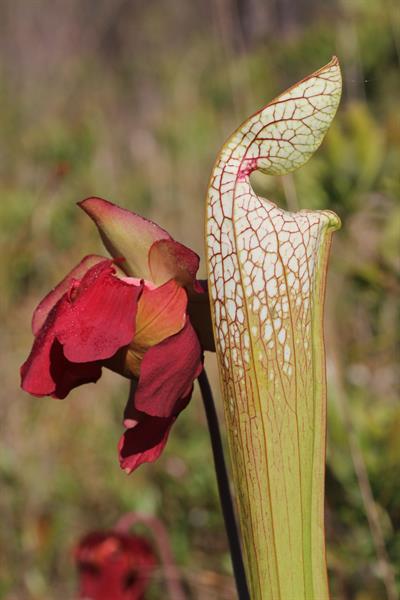 © Scott Ward | Sarracenia leucophylla | Original Image ⭷
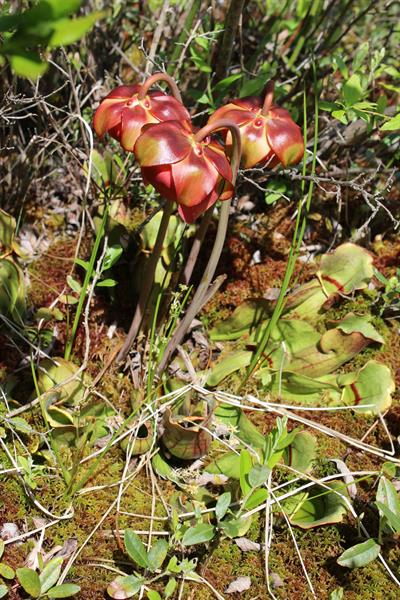 © Scott Ward | Sarracenia purpurea var. purpurea | Original Image ⭷
 © Scott Ward | Sarracenia flava | Original Image ⭷
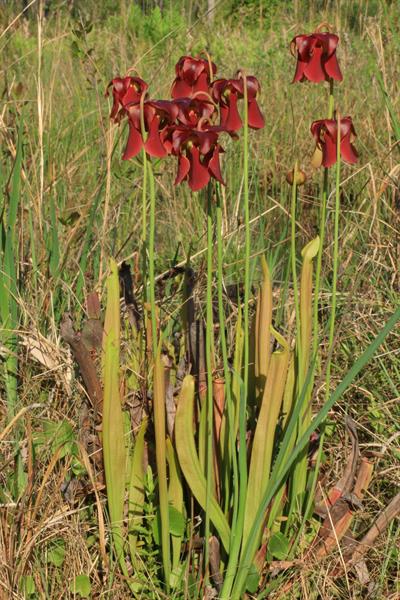 © Alan Cressler: Sarracenia rubra subsp. rubra, Francis Marion National Forest, Berkeley County, South Carolina 2 by Alan Cressler | Sarracenia rubra ssp. rubra source | Original Image ⭷
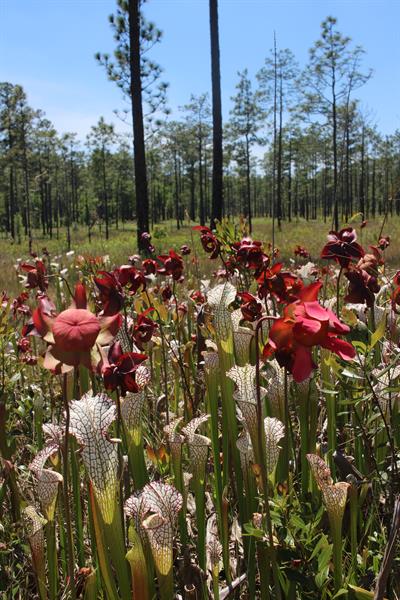 © Scott Ward | Sarracenia leucophylla | Original Image ⭷
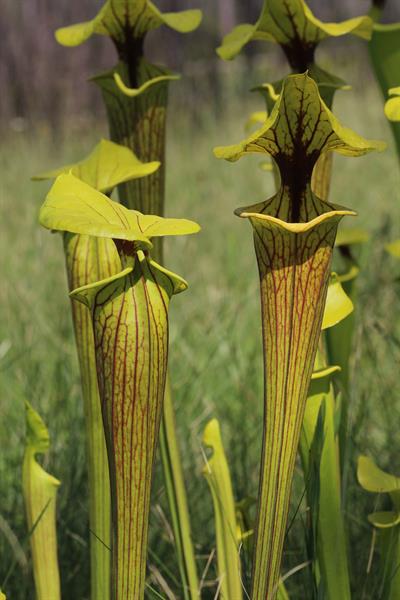 © Scott Ward | Sarracenia flava | Original Image ⭷
 © Alan Cressler: Sarracenia psittacina (left), Sarracenia psittacina X Sarracenia alata (middle), Sarracenia alata (right), Wet Savanna, Mississippi 2 by Alan Cressler | Sarracenia alata source | Original Image ⭷
 © Scott Ward | Sarracenia leucophylla | Original Image ⭷
 © Scott Ward | Sarracenia psittacina | Original Image ⭷
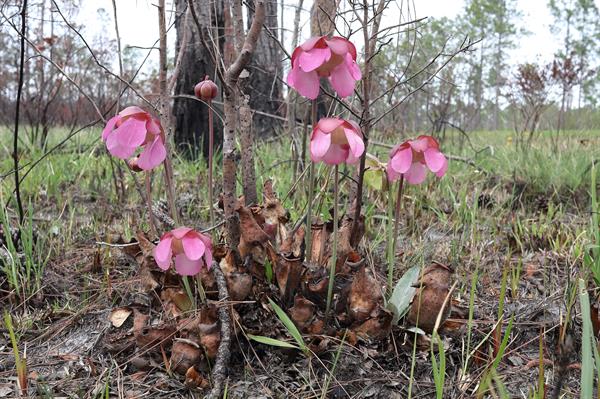 © Floyd A. Griffith | Sarracenia rosea | Original Image ⭷
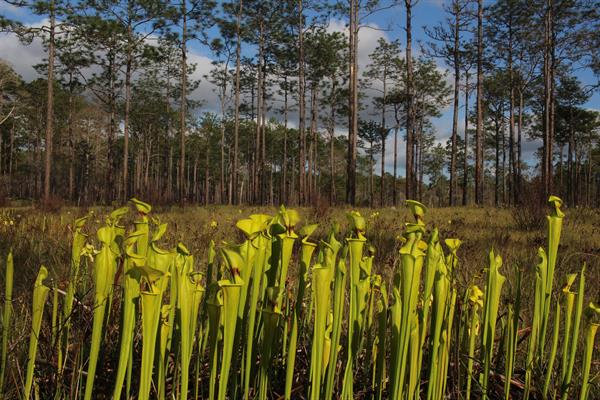 © Scott Ward | Sarracenia flava | Original Image ⭷
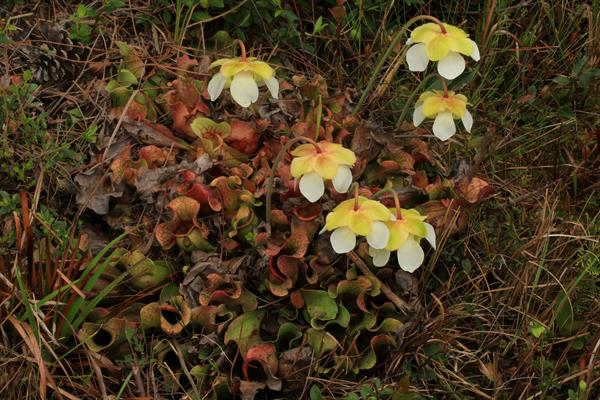 © Alan M. Cressler | Sarracenia rosea | Original Image ⭷
 © Scott Ward | Sarracenia minor var. minor | Original Image ⭷
 © Alan Cressler: Sarracenia oreophila, and Osmundastrum cinnamomeum, DeKalb County, Alabama 3 by Alan Cressler | Sarracenia oreophila source | Original Image ⭷
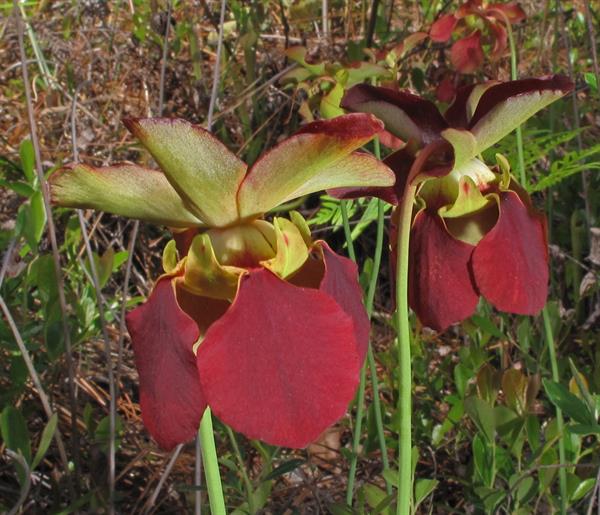 © Alan Cressler: Sarracenia alabamensis subsp. alabamensis, Autauga County, Alabama 10 by Alan Cressler | Sarracenia alabamensis ssp. alabamensis source | Original Image ⭷
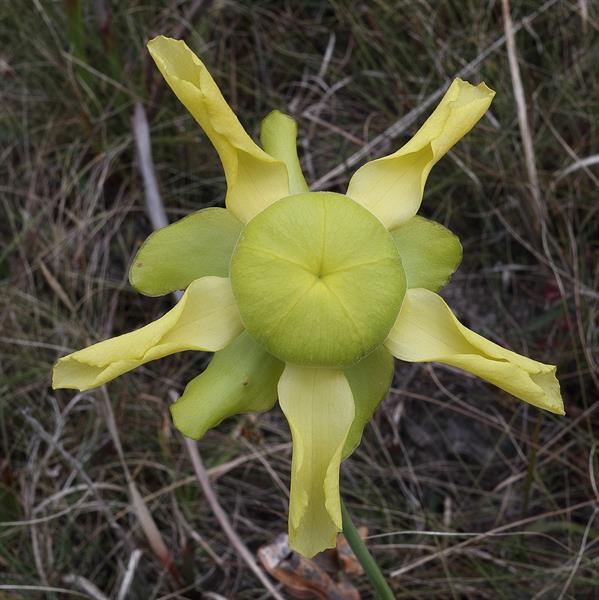 © Floyd A. Griffith | Sarracenia flava | Original Image ⭷
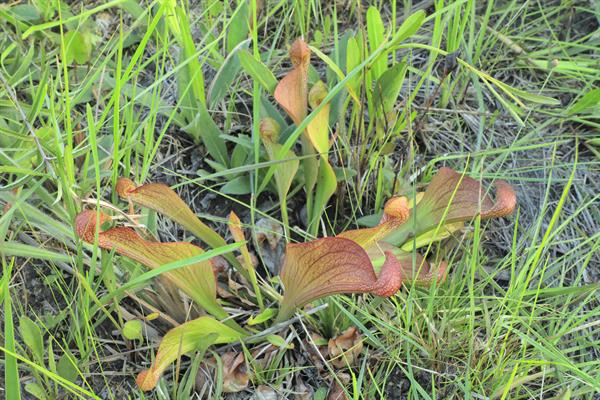 © Alan Cressler: Sarracenia psittacina, Escambia County, Alabama 1 by Alan Cressler | Sarracenia psittacina source | Original Image ⭷
 © Alan Cressler: Sarracenia flava, Pitcher Plant Savanna, Apalachicola National Forest, Liberty County, Florida 1 by Alan Cressler | Sarracenia flava source | Original Image ⭷
 © Alan Cressler: Sarracenia flava var. ornata, Seepage Savanna, Panhandle, Florida 1 by Alan Cressler | Sarracenia flava source | Original Image ⭷
 © Alan Cressler: Sarracenia flava var. ornata, and Sarracenia flava var. rugelii, Seepage Savanna, Panhandle, Florida 4 by Alan Cressler | Sarracenia flava source | Original Image ⭷
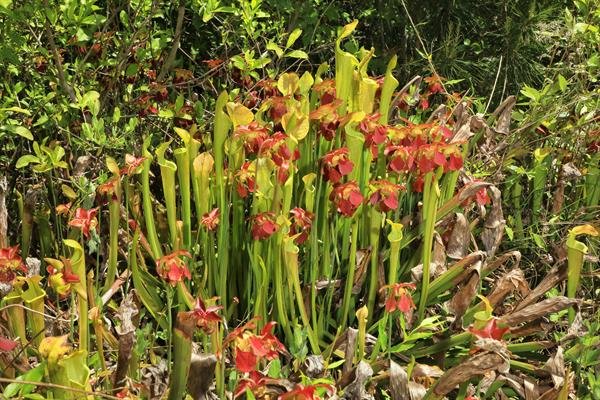 © Alan Cressler: Sarracenia alabamensis subsp. alabamensis, Autauga County, Alabama 3 by Alan Cressler | Sarracenia alabamensis ssp. alabamensis source | Original Image ⭷
 © Alan Cressler: Sarracenia minor var. minor, and Sarracenia flava var. rugelii, Riddle Bogs, Turner County, Georgia 1 by Alan Cressler | Sarracenia minor var. minor source | Original Image ⭷
 © Alan Cressler: Sarracenia jonesii, Cataract bog, Greenville County, South Carolina 1 by Alan Cressler | Sarracenia jonesii source | Original Image ⭷
 © Scott Ward | Sarracenia minor var. minor | Original Image ⭷
 © Alan Cressler: Sarracenia rubra (left), Sarracenia Xgilpinii (middle), Sarracenia psittacina var. okefenokeensis (right), Bog Swamp, Marion County, Georgia 1 by Alan Cressler | Sarracenia psittacina source | Original Image ⭷
 © Alan Cressler: Sarracenia psittacina, near WBF Pond, St. Marks National Wildlife Refuge, Wakulla County, Florida 1 by Alan Cressler | Sarracenia psittacina source | Original Image ⭷
 © Alan Cressler: Sarracenia psittacina var. okefenokeensis, Bog Swamp, Marion County, Georgia 1 by Alan Cressler | Sarracenia psittacina source | Original Image ⭷
Feedback
See something wrong or missing on about Sarracenia? Let us know here: (Please include your name and email if at all complicated so we can clarify if needed.)
Cite as...