 Sisyrinchium Linnaeus. Blue-eyed-grass, Irisette.
Contributed by B.A. Sorrie, E.L. Keith, and A.S. Weakley
A genus of about 80 or more species, herbs, of the Americas. Sisyrinchium is a very difficult genus, with a number of taxonomic questions remaining in our area.
Key advice:For confident identification, it is necessary to collect underground parts; fibrous remains of leaves, and rhizomes (if any), are critical characters. Stem width includes wings.
Ref: Bicknell (1896); Bicknell (1899a); Bicknell (1899b); Cholewa & Henderson (2002) In Flora of North America Editorial Committee (2002a); Goldblatt, Manning, & Rudall In Kubitzki (1998a); Hornberger (1991); Keith (2022); Sorrie (2023) In Weakley et al. (2023); Sorrie et al. (2012). Show full citations.
Hover over a shape, letter, icon, or arrow on the map for definition or see the legend. Data for arrows not developed for genera and families which may have species only occurring outside the flora area.
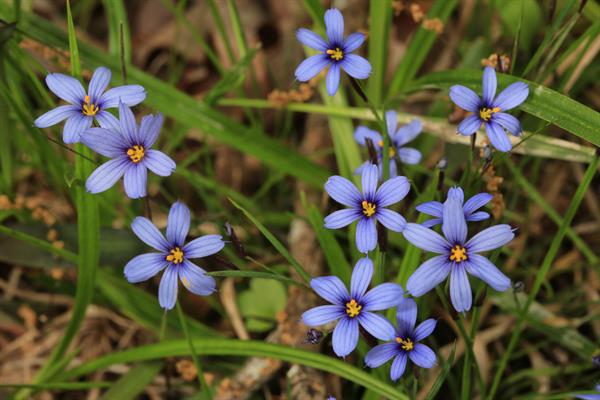 © Alan M. Cressler | Sisyrinchium atlanticum | Original Image ⭷
 © Will Stuart | Sisyrinchium capillare | Original Image ⭷
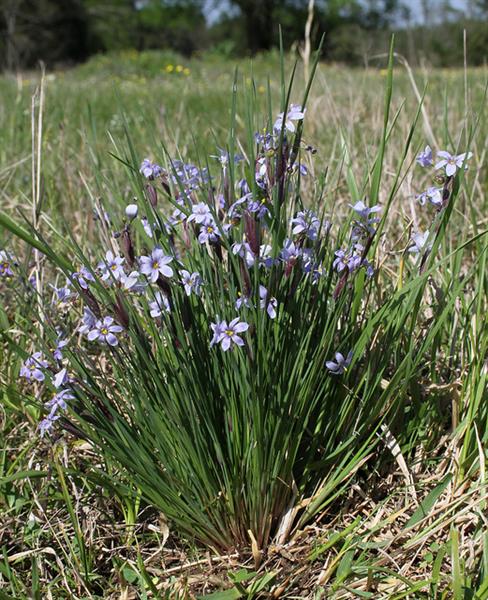 © Bruce A. Sorrie | Sisyrinchium calciphilum | Original Image ⭷
 © Brian Finzel, some rights reserved (CC BY-SA), uploaded by Brian Finzel | Sisyrinchium montanum var. montanum source | Original Image ⭷
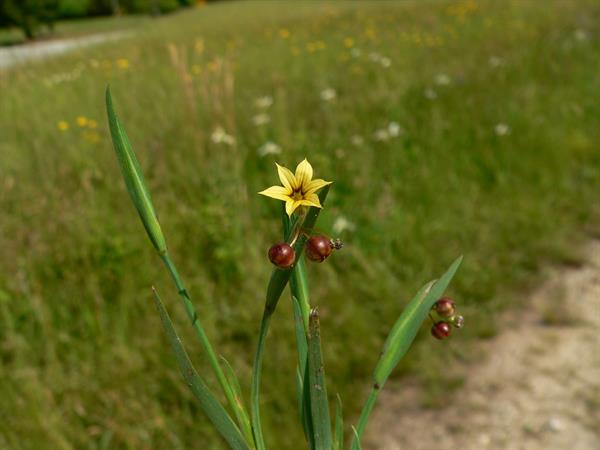 © Richard & Teresa Ware | Sisyrinchium micranthum CC-BY-NC, permission granted to NCBG | Original Image ⭷
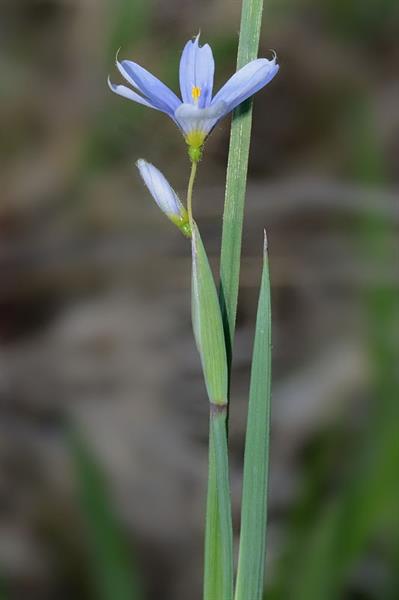 © Gary P. Fleming | Sisyrinchium atlanticum | Original Image ⭷
Feedback
See something wrong or missing on about Sisyrinchium? Let us know here: (Please include your name and email if at all complicated so we can clarify if needed.)
Cite as...