https://fsus.ncbg.unc.edu/main.php?pg=show-taxon-detail.php&lsid=urn:lsid:ncbg.unc.edu:taxon:{DF7D0CEA-4E15-435B-A26C-5337F2DB65EE}
 Anemiaceae Link. Pineland Fern Family.
A monotypic family, of a single genus and ca. 115 species, of tropical and subtropical areas of the Americas, Africa, and Asia, but most diverse in tropical America.
Ref: Kramer & Green (1990); Mickel (1993) In Flora of North America Editorial Committee (1993b). Show full citations.
Hover over a shape, letter, icon, or arrow on the map for definition or see the legend. Data for arrows not developed for genera and families which may have species only occurring outside the flora area.
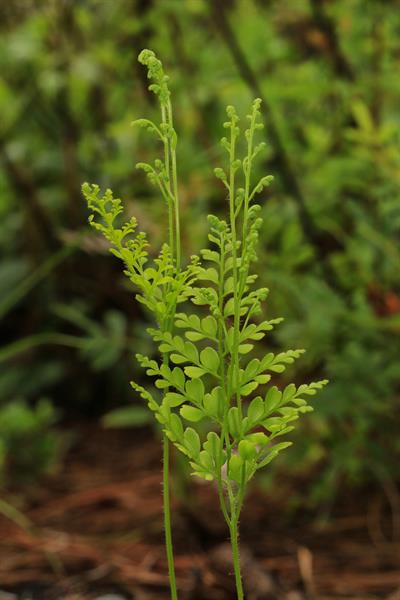 © Alan M. Cressler | Anemia | Original Image ⭷
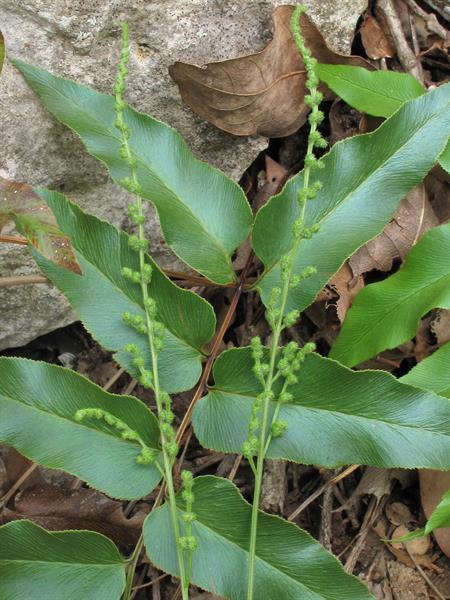 © Alan Cressler: Anemia mexicana, Can Canyon, Lost Maples State Natural Area, Bandera County, Texas 2 by Alan Cressler | Anemia source | Original Image ⭷
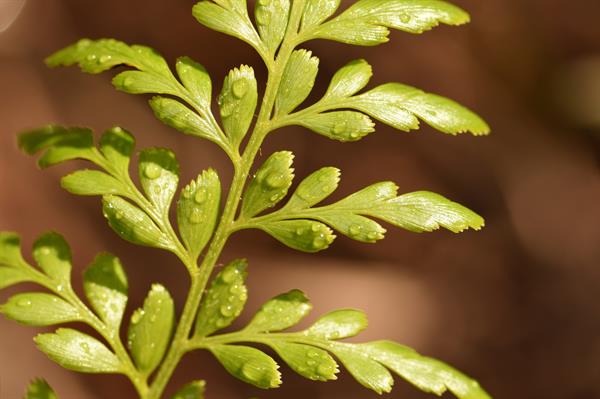 © Aidan Campos | Anemia source | Original Image ⭷
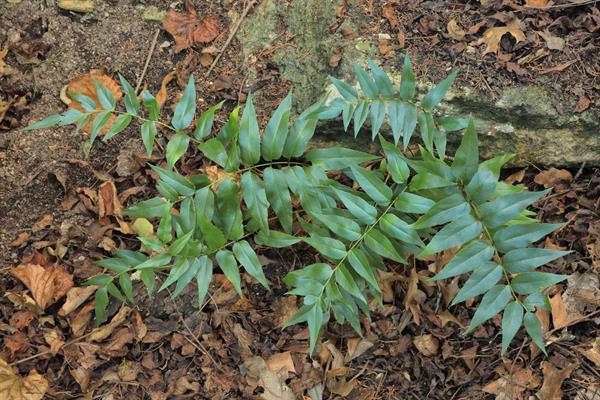 © Alan Cressler: Anemia mexicana, Lane Creek Canyon, Lost Maples State Natural Area, Bandera County, Texas 1 by Alan Cressler | Anemia source | Original Image ⭷
 © Alan Cressler: Anemia adiantifolia, with Frost, Long Pine Key, Everglades National Park, Miami-Dade County, Florida 1 by Alan Cressler | Anemia source | Original Image ⭷
Feedback
See something wrong or missing on about Anemiaceae? Let us know here: (Please include your name and email if at all complicated so we can clarify if needed.)
Cite as...