https://fsus.ncbg.unc.edu/main.php?pg=show-taxon-detail.php&lsid=urn:lsid:ncbg.unc.edu:taxon:{CBBC8181-AB9D-462D-861F-4D3254FCE147}
 Lythraceae J. Saint-Hilaire. Loosestrife Family.
A family of about 27-35 genera and about 600 species, herbs, shrubs, and trees, primarily tropical (a few warm temperate). Keys adapted, in large part, from Graham (1975).
Ref: Graham (1975); Graham (1975); Graham In Kubitzki, Bayer, & Stevens (2007). Show full citations.
Hover over a shape, letter, icon, or arrow on the map for definition or see the legend. Data for arrows not developed for genera and families which may have species only occurring outside the flora area.
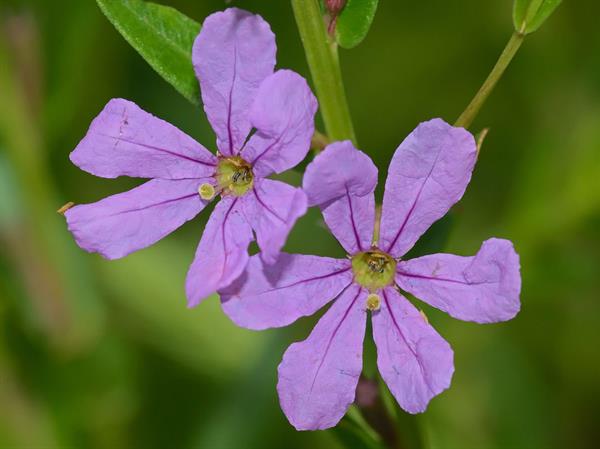 © Gary P. Fleming | Lythrum | Original Image ⭷
 © oxidized_guacamole, some rights reserved (CC BY-NC) | Trapa source | Original Image ⭷
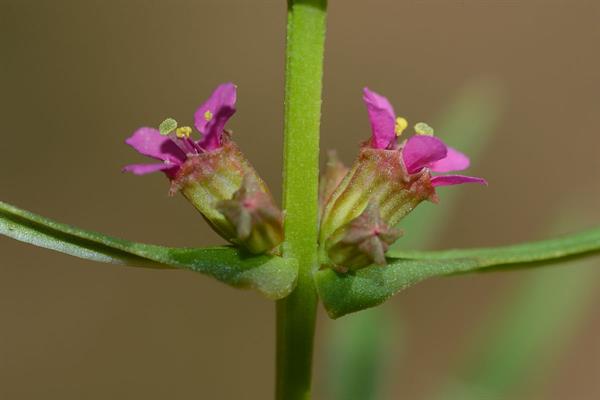 © Gary P. Fleming | Ammannia | Original Image ⭷
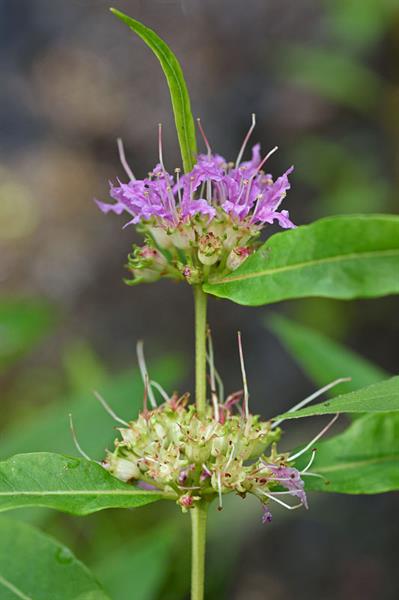 © Gary P. Fleming | Decodon verticillatus | Original Image ⭷
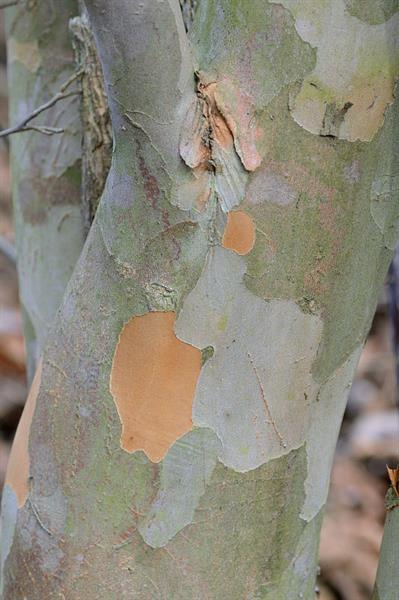 © Gary P. Fleming | Lagerstroemia | Original Image ⭷
 © Richard & Teresa Ware | Cuphea CC-BY-NC, permission granted to NCBG | Original Image ⭷
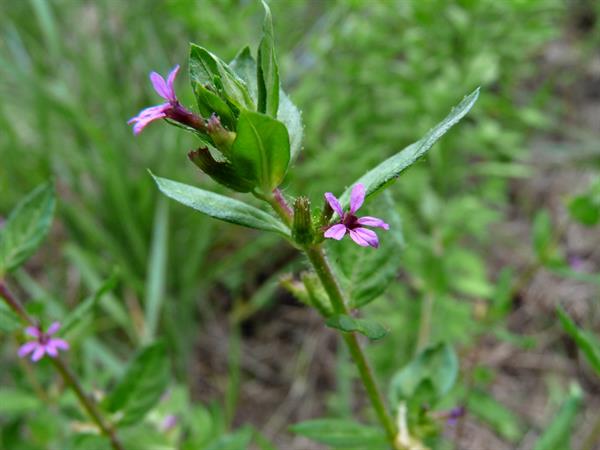 © Richard & Teresa Ware | Cuphea CC-BY-NC, permission granted to NCBG | Original Image ⭷
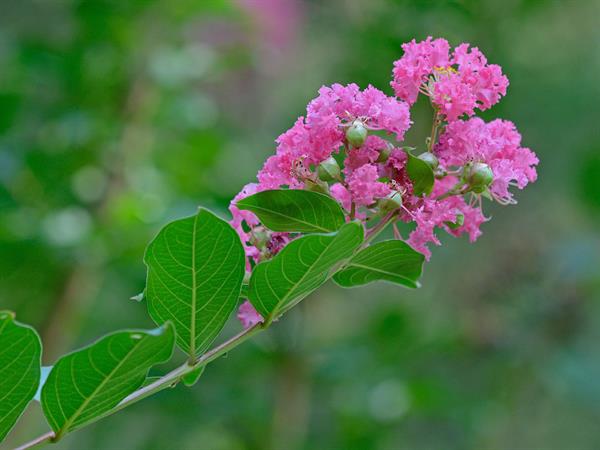 © Gary P. Fleming | Lagerstroemia indica | Original Image ⭷
 © Erik Danielson | Trapa source | Original Image ⭷
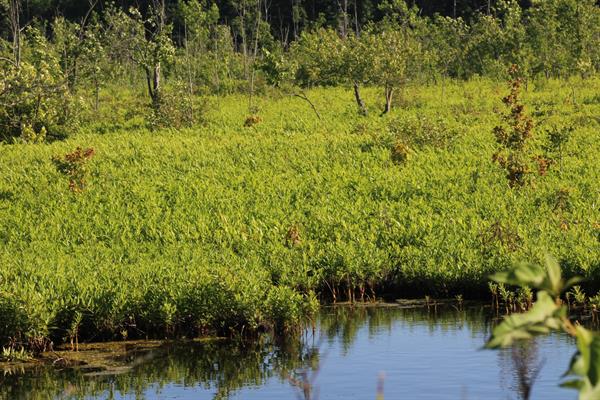 © Scott Ward | Decodon verticillatus | Original Image ⭷
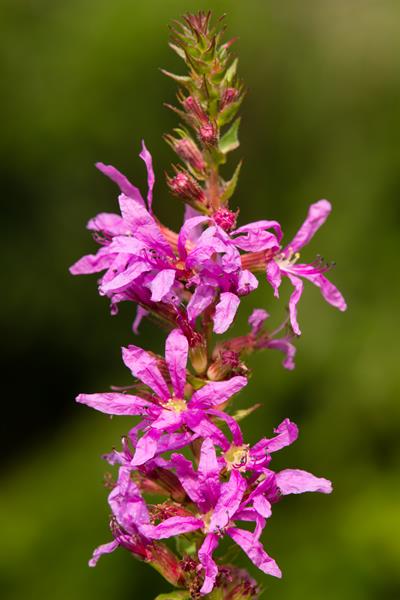 © Keith Bradley | Lythrum | Original Image ⭷
Feedback
See something wrong or missing on about Lythraceae? Let us know here: (Please include your name and email if at all complicated so we can clarify if needed.)
Cite as...